Iran · 07 September, 2026 · 2 min read
Iran Announces Forbidden Maritime Area Outside Strait of Hormuz, Warns Ships Will Face Sanctions
Iran will declare a restricted zone outside Hormuz starting from the U.S. blockade line. Vessels entering the zone would be placed on Tehran's sanctions list.
Iran says it will not decide to sink ships.
2 of 3 outlets skipped it: iran and Oman reached a map for entry/exit from Gulf waters.
The Jerusalem Post was read line by line by the Watchdog: 5.0. See the score →
57outlets compared
Same story, two versions
tap a side to read it in full
Al-Durra al-Electronicah
“not taken a decision to sink American ships attempting to pass”
Translated from the original.
Read the original ↗Al-Manar TV Lebanon
“blocked to all vessels seeking to transit without coordination”Read the original ↗
One outlet signals restraint on sinking, others emphasise total denial of passage.
Forbidden zone outside Hormuz
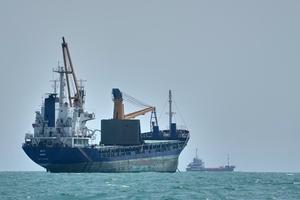
Iran said it plans to announce a “forbidden” maritime area outside the Strait of Hormuz in the coming days, extending from the U.S. blockade line to areas in the Gulf.
“any ship entering the new area will be added to the sanctions list”
Mohsen Rezaei warned, “any ship entering the new area will be added to the sanctions list,” and he said the Strait of Hormuz is “completely closed,” denying President Donald Trump’s statements about keeping it open.
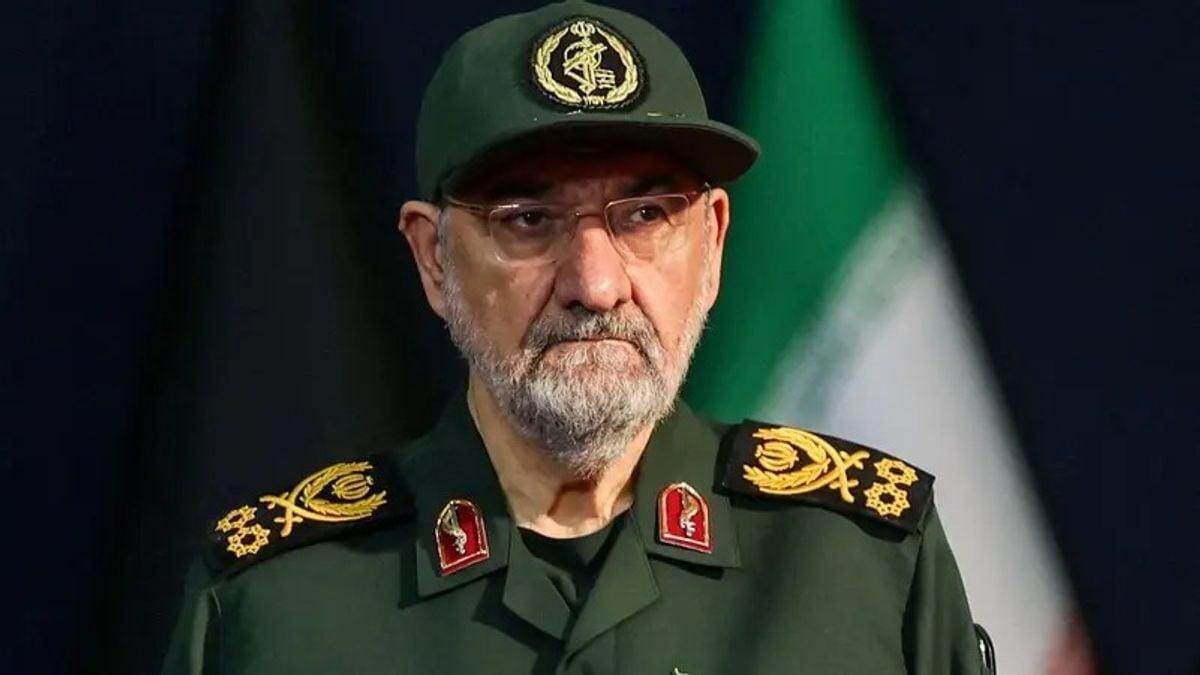
Rezaei said more than 100 ships used to pass the Strait of Hormuz daily before its closure, while currently only 7 to 8 ships carrying essential goods to Iran are allowed to pass.
He also said Iran tested, 48 hours ago, an Iranian anti-destroyer missile over a U.S. warship, while the United States rejected Iran’s targeting of an unmanned U.S. warship in the Strait of Hormuz.
The U.S. Central Command (CENTCOM) said it continued the maritime blockade, redirecting 92 commercial ships, disrupting 3 vessels, and inspecting two ships up to September 6 to ensure compliance.
Competing claims and threats
The IRGC Navy said the Strait of Hormuz is fully under Tehran’s control and warned that ships attempting to pass without prior coordination with Iranian authorities face firm action.
In its statement, the IRGC Navy said American claims about reopening the strait “do not reflect the reality on the ground,” and it said Washington uses such statements to influence oil prices and mask what it described as failures.
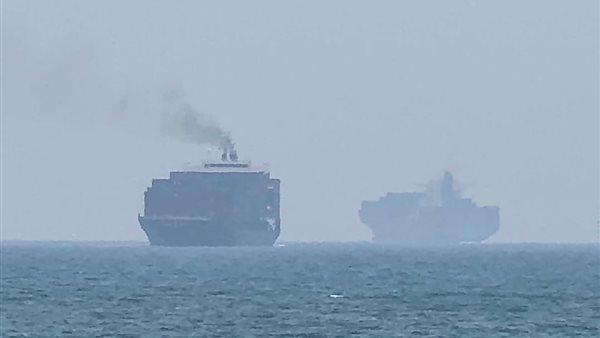
Iranian officials also framed the U.S. position as deception, with Rezaei saying the Strait of Hormuz is “completely closed” and calling Trump’s claim a “big lie.”
Rezaei said Iranian forces monitor ships that try to pass “illegally” and target them when necessary, while he added that Iran has not taken a decision to sink American ships attempting to pass because “these ships carry oil, and sinking them could cause environmental damage in the region.”
Navigation, oil, and military pressure
The dispute over passage is playing out alongside broader military and economic pressure, with the U.S. blockade reimposed on Iranian ports and restrictions on ship movements on July 13 to curb Iran’s oil revenues.
“Brent crude rose to $126 per barrel”
Axios reported that the U.S. military has reduced Iran’s ability to control the Strait of Hormuz over the past two months, while American officials said the change gives Washington a stronger position in any future negotiations.
Axios also said Iran closed the strait during the early hours of the war and that mine risks led to a widespread halt in commercial navigation, with Brent crude rising to $126 per barrel in the following two months.
The same report said the U.S. seeks to expand the main navigational corridor by mid-September to allow at least 50 ships to pass each night and raise oil exports to 60-70% of pre-war levels.
Tehran, for its part, said reopening is conditioned on ending the U.S. blockade of Iranian ports, lifting sanctions, and paying compensation, while Trump said he is not currently interested in meeting the Iranians and White House envoy Steve Weitkamp continues contacts with Qatar and other intermediaries.