Full story
Oil, enemies, and D-Day
Iran’s Supreme National Security Council Secretary Mohsen Rezaei warned neighboring countries that if they join Donald Trump’s “economic war” against Tehran, “we will retaliate in a seismic manner,” and he said Iran would target oil routes outside the Strait of Hormuz and the interests of countries supporting Washington.
“we will retaliate in a seismic manner”
Rezaei also vowed that Tehran would seek to prevent “even a single drop of oil” from leaving the region, framing the threat as a response to U.S. efforts to further isolate Iran.

The New York Times reported that Trump has warned that “Economic D-Day” is coming for Iran, while Tehran promised to fight back and threatened any nation that helps the United States.
In the same reporting, the New York Times said Rezaei’s interview with Iran’s state broadcaster offered his first extensive comments since taking up his new post two weeks ago, after he was described as a political hard-liner and former head of the Revolutionary Guards.
Escalation vs dialogue
As U.S. sanctions intensified, Iran’s Supreme National Security Council Secretary Mohsen Rezaei threatened targeting all countries participating in the sanctions, telling Iran’s Tasnim News Agency that Iran would respond with “enormous force” if Trump took any step.
The same Tasnim account said Rezaei stressed that Iran does not seek to widen the war, but will consider any neighboring country participating in the sanctions an enemy and “will not allow a single drop of oil to leave the Gulf and the Strait of Hormuz if those countries join Washington.”
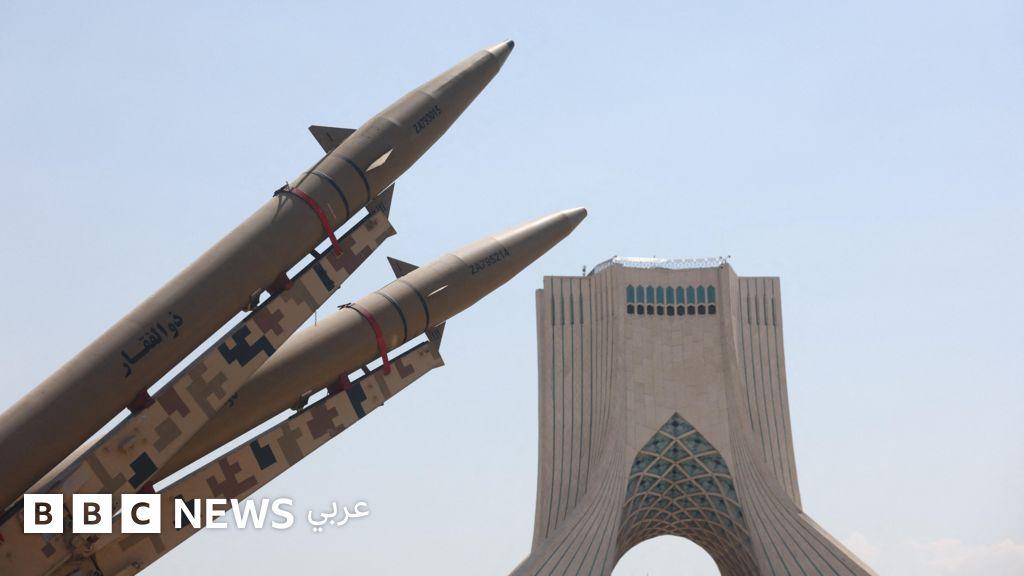
In contrast, Iranian President Ebrahim Raisi opened the door to a political path by stressing the importance of returning to the memorandum of understanding with the United States to end the ongoing state of “no war, no peace” that has lasted for six months.
The New York Times also described a shift in Iran’s deterrence posture, saying Iran’s new leaders were “changing the deterrence equation from purely defensive measures to an offensive approach in all spheres,” including the economy.
What comes next
The New York Times said the interview came as Iran’s economy was “already in free fall,” and it quoted Mohammad Ghaderi, a Tehran-based foreign affairs expert, saying Tehran was seeking to impose greater costs on the United States and its allies.
“any country that participates in imposing restrictions on us will be considered an enemy”
The Times of India warned that the risk for the Gulf is that Iran could respond not by capitulating, but by attacking the region’s energy infrastructure and alternative oil-shipping routes, with Rezaei warning that US commercial and economic interests could become targets if Washington imposed further sanctions.
El Correo said the war between Iran and the United States had surpassed six months and become a financial standoff, adding that Iran appealed to an eye-for-an-eye logic with Rezaei saying, “any country that participates in imposing restrictions on us will be considered an enemy.”
El Correo also reported that Foreign Ministry spokesman Esmail Baghaei said Pakistani Army Chief Asim Munir would visit Tehran on Monday to continue efforts to achieve peace and security in the region, as the memorandum of understanding signed in June remained in limbo.