Full story
Threats over sanctions
Iran’s Supreme National Security Council head Mohsen Rezaei warned that countries joining Donald Trump’s “economic war” would face “seismic” reprisals, saying Iran would first ask them to distance themselves from the United States and then “we will attack them.”
“if they do not do so, "we will attack them."”
Rezaei told the state broadcaster IRIB that “any country participating in imposing economic restrictions against us will be considered an enemy,” as the war between Iran and the United States had “surpassed six months” and become a financial standoff.
The ABC report said the United States planned to unveil measures on Monday, with Secretary of the Treasury Scott Bessent set to announce them, while Iran appealed to an “eye for an eye” approach.
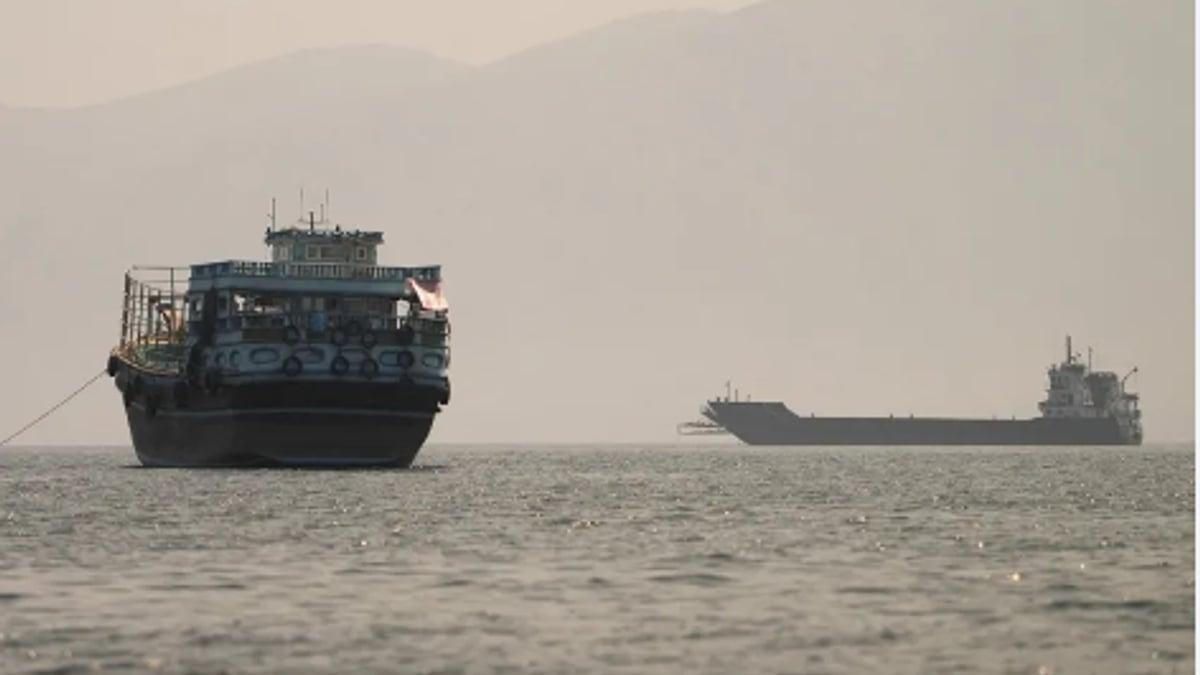
In parallel, the BBC reported that Iran’s leadership framed the confrontation as both military and economic, with Labour Minister Tahmina Akhter—(note: not applicable here)—instead, the BBC emphasized that the dispute was tied to the Strait of Hormuz and the pressure on shipping, with Iran threatening to strike any tanker passing without its permission.
The ABC account also tied the threats to Iran’s posture during the first 40 days of the war, when it said Iran “did not hesitate to strike American interests and bases across the region” in response to bombings.
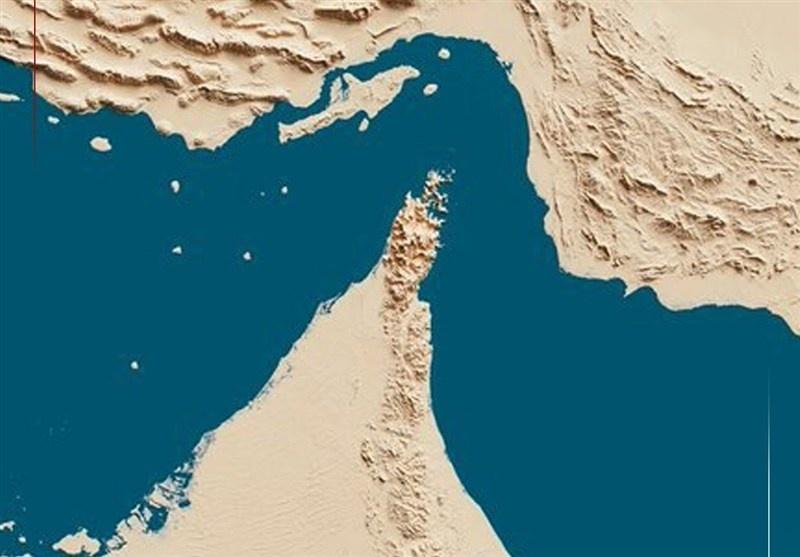
Hormuz transit permissions
While Iran issued threats over sanctions, it also granted permission for Iraqi oil tankers to pass through the Strait of Hormuz, with Al Jazeera citing Iranian state media that Baghdad made repeated requests through various channels.
Al Jazeera reported that IRNA said special permission for Iraqi tankers was one of Baghdad’s main requests during Iranian parliament speaker Mohammad Bagher Ghalibaf’s visit to Iraq this week, and Iraqi President Nizar Amidi said Iran facilitated the passage of “some ships carrying Iraqi oil in the strait.”
The BBC described the move as “First fruits of Qalibaf's visit to Iraq,” saying Tehran granted a “special permit” for a number of Iraqi tankers to pass through the strait after Baghdad raised the issue during Qalibaf’s three-day visit.
The BBC also said the file remained “complex” because of “ongoing security disturbances” and a decline in shipping traffic through the strait to levels far lower than before the outbreak of the war.
In the same reporting thread, the BBC tied the decision to the broader standoff, noting that Tehran still leverages its ability to disrupt navigation in the Strait of Hormuz as a pressure card in its confrontation with the United States.
What comes next
The competing messages from Tehran—threats against economic participation and selective permissions for shipping—set up a high-stakes period as the United States prepares a new sanctions package and Iran continues to link the Strait of Hormuz to its leverage.
“Pakistan’s ongoing efforts to help consolidate peace and security in the region”
ABC said Iran expected a visit from Pakistan’s Army chief Asim Munir, described as a key figure mediating between the United States and Iran, while Foreign Ministry spokesman Esmail Baghaei said Munir would lead a delegation to Tehran as part of “Pakistan’s ongoing efforts to help consolidate peace and security in the region.”
France 24 reported that Mohsen Rezai warned on state television, saying, “Any country participating in the imposition of economic restrictions against us is considered an enemy,” as President Masoud Pezeshkian said the war with the US should end because the world had already accepted that Iran had won.
France 24 also said Pezeshkian had argued for ending the confrontation while Iran maintained pressure, and it placed the warning alongside the expectation that Pakistan’s Asim Munir would travel to Tehran to discuss his role as mediator.
Together, the sources frame the immediate consequence as continued pressure around Hormuz and sanctions, with the BBC emphasizing that the authorization for Iraqi tankers came ahead of an expected American announcement on Monday of a new package of sanctions on Iran.