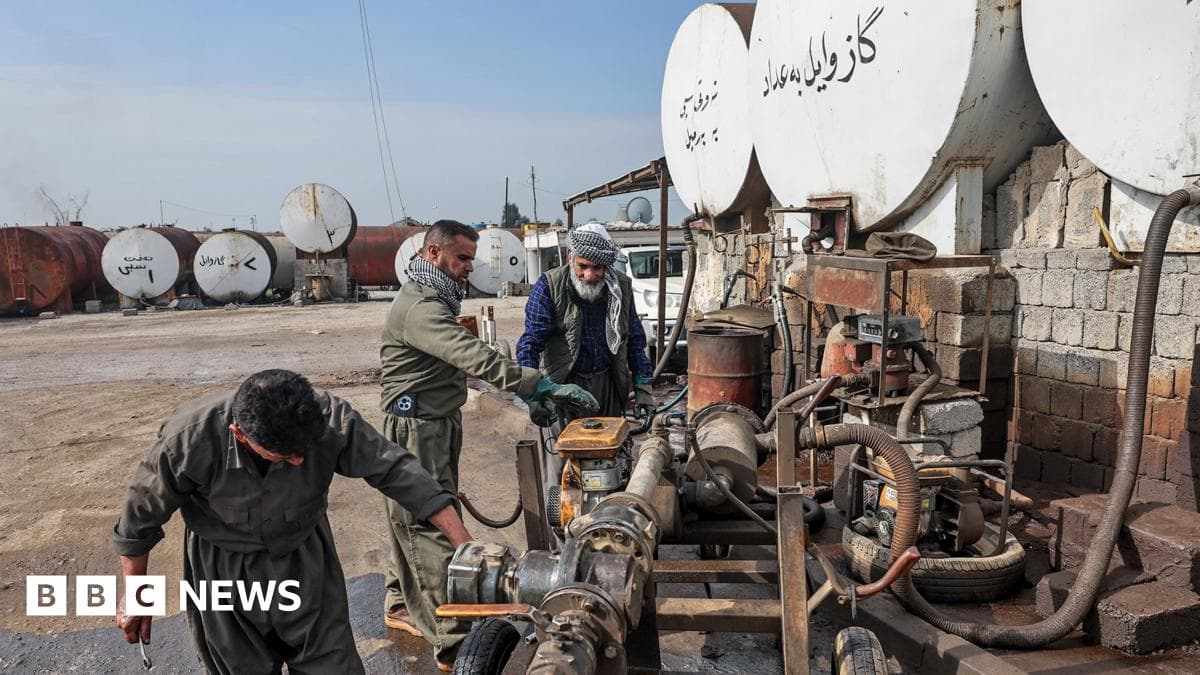
Iran's retaliation reshapes global economy, creating uneven winners and losers
Key Takeaways
- Tehran's retaliation triggers uneven global economic disruption.
- Russia, China and the US experience mixed gains and losses.
- Effects are unlikely to be fleeting, with lasting energy and market implications.
Global Energy Disruption
Iran's military retaliation against regional adversaries has triggered significant disruptions to global energy markets.
“The conflicts in the Middle East are bringing back a familiar reality: although wars bring great human and economic losses, some countries manage to benefit from their consequences on global markets”
The escalation in Middle East tensions has impacted the Strait of Hormuz - the critical artery through which global oil supplies flow.
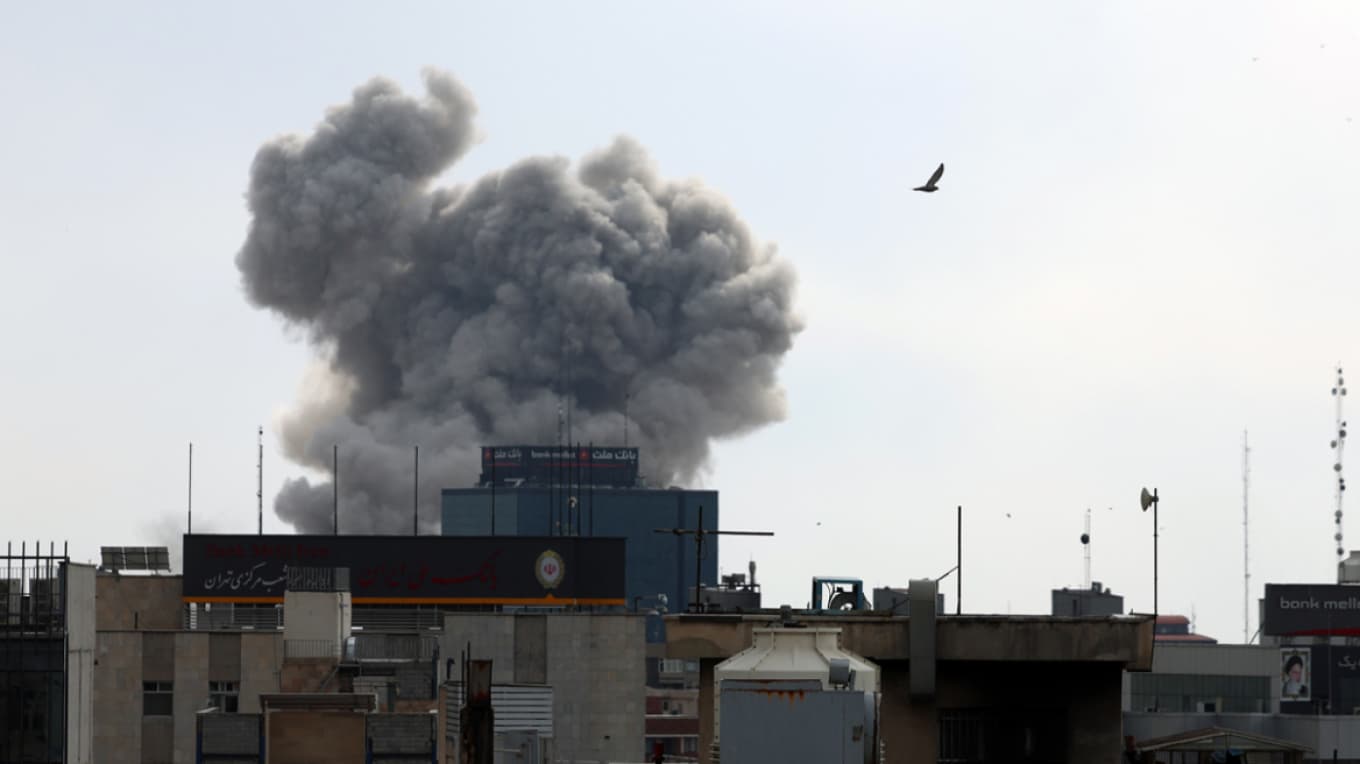
This has led to production shutdowns and infrastructure damage that have particularly affected Gulf producers like Qatar and Saudi Arabia.
As Tehran targets America's allies in the region, the ripple effects are being felt across continents.
Energy prices are surging as countries scramble to secure alternative supplies amid heightened geopolitical uncertainty and security concerns.
Energy Winners Emerge
Among the clear winners of this geopolitical crisis are Russia and other alternative energy suppliers.
Moscow has emerged as the most significant beneficiary, with crude oil sales to India jumping by 50% as Washington relaxes rules to ease the global supply crunch.
Some estimates suggest Russia could earn up to $5 billion more by the end of March and be on track for its biggest year of fuel-related revenues since 2022.
Meanwhile, Norway has successfully capitalized on the opportunity by ramping up production to partially replace missing supplies.
Norway particularly benefits from the energy security concerns that emerged after Russia's 2022 invasion of Ukraine.
Canada is also positioning itself as 'a stable, reliable, predictable, values-based producer of energy,' though questions remain about its capacity to significantly increase output.
Economic Losers
The economic fallout has created distinct categories of losers, with Gulf producers, the United States, and European economies bearing significant costs.
“The conflicts in the Middle East are bringing back a familiar reality: although wars bring great human and economic losses, some countries manage to benefit from their consequences on global markets”
Gulf nations like Qatar and Saudi Arabia have been directly targeted and face production shutdowns and infrastructure damage.
ExxonMobil's operations at Qatar's Ras Laffan industrial hub have experienced 'extensive damage' from Iranian missile attacks.
The United States, despite potentially earning tens of billions in extra revenue from higher oil prices, emerges as a net loser.
This is due to its heavy per-capita energy consumption and exposure to Middle Eastern disruptions.
European economies and the UK face particular vulnerability due to their heavy reliance on imported gas.
Market developments could add roughly 0.5% to inflation later in the year as price increases filter across to items such as fertilizer and shipping costs.
Asian Economic Impacts
Asian economies are experiencing asymmetric impacts, with both significant vulnerabilities and strategic advantages emerging across the continent.
Countries like South Korea, which receives as much as 70% of its crude oil from the Middle East, face severe risks.
Shares have slumped over disruption and cost concerns, threatening its critical chipmaking industry.
South Korea produces more than half of the world's memory chips.
Other nations across Asia are implementing dramatic austerity measures including fuel rationing, four-day work weeks, and school closures.
However, larger Asian economies like China and India have demonstrated strategic positioning.
China is utilizing strategic reserves and reportedly ramping up purchases from Iran.
India is taking advantage of temporary policy shifts to increase Russian oil imports.
Long-term Implications
Looking ahead, the long-term economic implications depend heavily on the duration and escalation of the conflict.
“The conflicts in the Middle East are bringing back a familiar reality: although wars bring great human and economic losses, some countries manage to benefit from their consequences on global markets”
There is potential for both contagion and global spillovers from the crisis.
The crisis has accelerated energy market realignments that were already underway.
New dependencies and competitive advantages may persist beyond the immediate conflict period.
While the West has become somewhat more resilient to energy price shocks due to increased energy efficiency, fundamental vulnerabilities remain.
These are particularly evident in manufacturing and transportation sectors.
The strategic positioning of major economies suggests geopolitical considerations are increasingly intertwined with energy security calculations.
This could reshape global economic relationships for years to come.
More on Iran
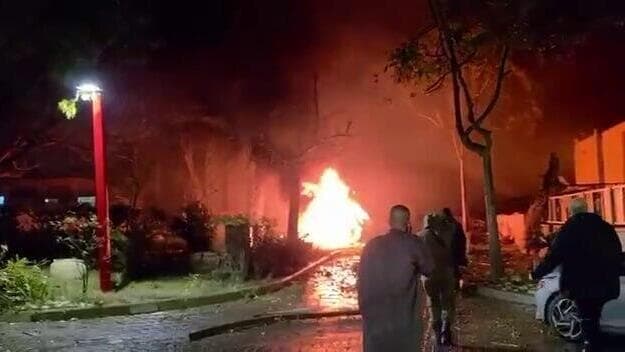
Iran Attacks Israeli Towns Dimona and Arad Near Israel's Main Nuclear Research Center, Dozens Wounded
43 sources compared
Iran Attacks Dimona in Retaliation for Natanz Strike
44 sources compared

Iran Attacks Diego Garcia with Long-Range Missiles, Targeting U.S.-UK Base
82 sources compared
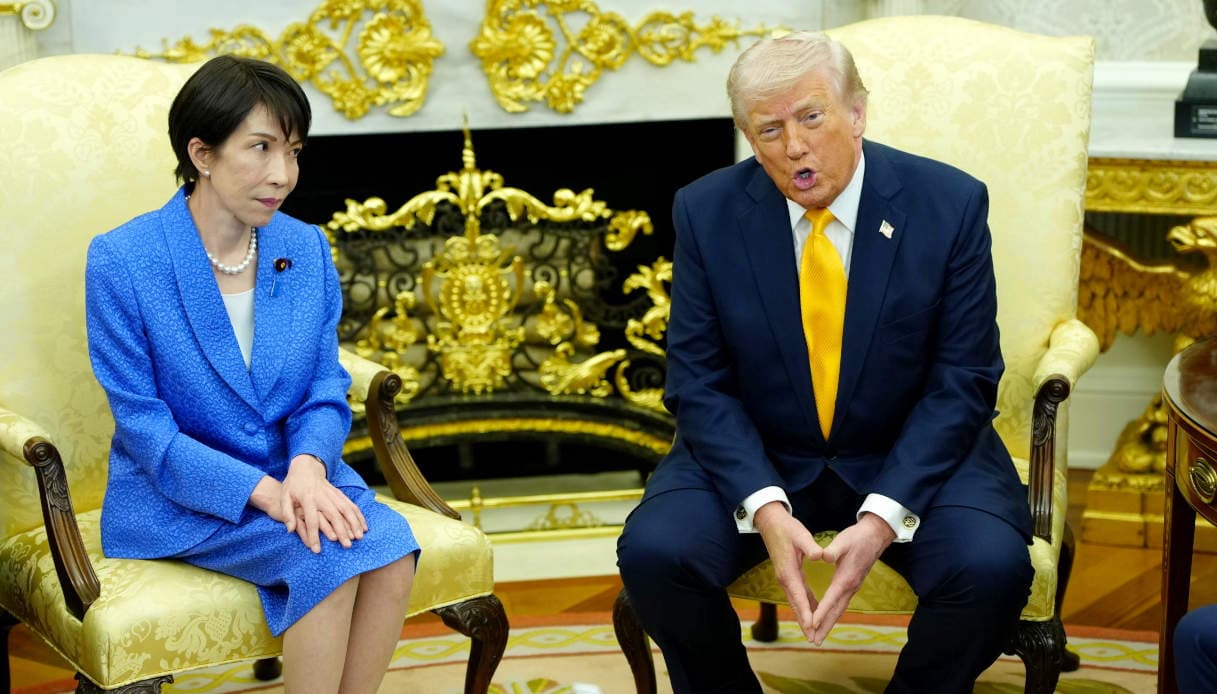
Trump Defends Iran War by Citing Pearl Harbor
12 sources compared