USA · 08 September, 2026 · 3 min read
Iran’s Revolutionary Guard Captures Unmanned American Submarine in Strait of Hormuz
IRGC Navy claimed it captured an unmanned American submarine at the Strait of Hormuz. The IRGC described the operation as a complex dawn intelligence operation.
49 outlets, one story, no spin found.
5 of 9 outlets skipped it: IRGC claims capturing an unmanned US submarine at Hormuz entrance.
Ynetnews was read line by line by the Watchdog: 4.7. See the score →
49outlets compared
Submarine Capture Claims
Iran’s Revolutionary Guard announced it captured a non-crew, unmanned American submarine in the Strait of Hormuz, describing the seizure as “a complex intelligence and tactical-action operation carried out this very dawn.”
““The naval forces of the Revolutionary Guard captured one of the United States’ most modern intelligent unmanned submarines at the mouth of the Strait of Hormuz"”
ABC reported that the Guard said the submarine was “delivered to the American terrorist army’s fleet in 2025,” and that “images of it will be released in the coming hours.”
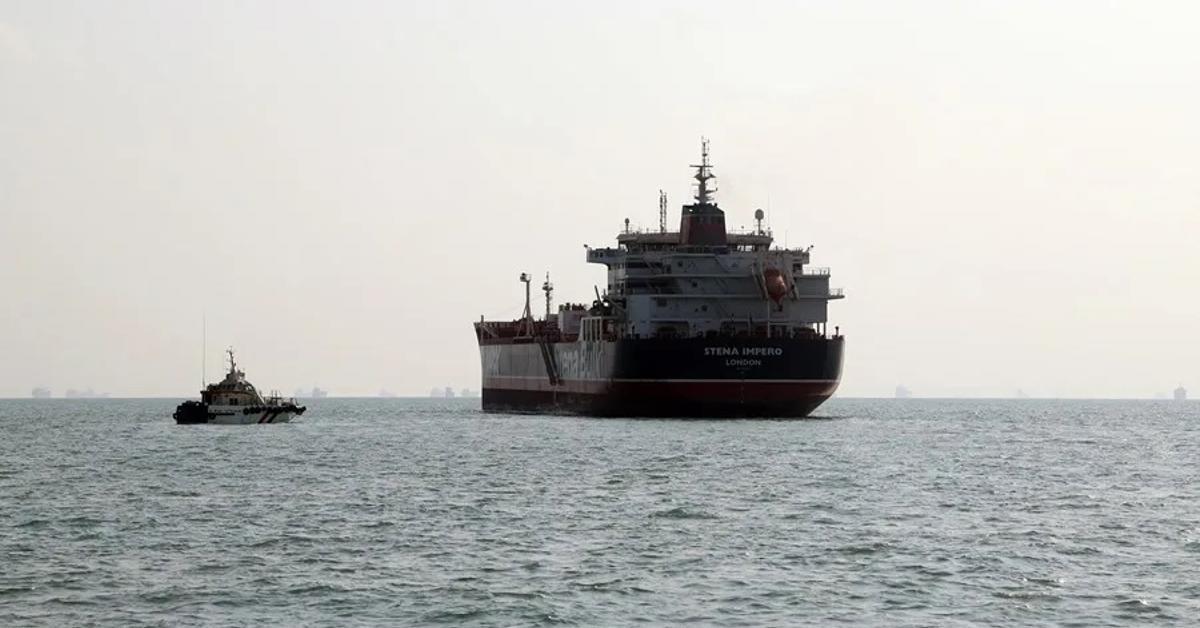
The same ABC account said Iran has maintained a blockade in the Strait of Hormuz since the start of the Middle East war following attacks by the United States and Israel against the Iranian regime more than six months ago.
In parallel, Al Jazeera described a new exchange of fire in the Gulf, saying the U.S. bombed five Iranian oil tankers after Iran attacked 10 ships near the Strait of Hormuz.
Al Jazeera added that the hostilities came as Tehran closed the Strait of Hormuz and Washington enforced a naval blockade on Iranian ports, with oil prices driven above $100 a barrel in early trading on Wednesday.
Tankers, Bases, and Denials
Al Jazeera said the U.S. Central Command (CENTCOM) stated Iran’s Islamic Revolutionary Guard Corps (IRGC) sought to target a U.S. warship twice over the past two days, but the vessel “successfully evaded the attempted Iranian attacks.”
CENTCOM, as quoted by Al Jazeera, said it responded by striking and destroying the Iranian oil carriers M/T Kaviz, M/T Charminar, M/T Horizon 1, and M/T Riesco in the Gulf of Oman, and M/T Derya near Kharg island, with American forces directing crews to abandon ship before the vessels were struck.

Iran’s Foreign Ministry condemned the U.S. attacks on Iranian tankers and warned of “the escalatory consequences of such attacks,” while Al Jazeera reported Iran’s response included missile strikes on the Al-Azraq base in Jordan.
In a separate account, CNBC reported the U.S. denied Iran’s claim that it struck two American vessels, quoting CENTCOM: “No U.S. Navy warship has been struck; all IRGC attempted attacks failed.”
CNBC also tied the dispute to the tanker strikes, saying CENTCOM added that the U.S. had “successfully destroyed 10 Iranian tankers in just the last week.”
Shipping Disruption and Fallout
Al Jazeera said the attacks left an immediate impact on traffic through the Strait of Hormuz, with initial shipping data showing six ships carrying commodities through the strait on Wednesday, down from nine the day before and an average of about 12 ships over the past 10 days.
“six ships carrying commodities through the Strait of Hormuz yesterday, down from nine ships the day before”
The same Al Jazeera report cited Reuters for a pre-war baseline, saying the average traffic through the Strait of Hormuz before the war began on February 28 was about 125 large commercial ships per day, including oil and natural gas carriers.
CBS News reported that Brent crude topped $100 per barrel Wednesday, and said the price increase tracked the standoff over the Strait of Hormuz as new attacks flared up again.
Looking beyond the corridor, Eco-Business linked the disruption around the Strait of Hormuz to fertilizer costs and warned that dry conditions could constrain irrigation for rice planted from November to January.
Eco-Business quoted Raul Montemayor saying, “The harvest is worrisome for next year, not this year,” and it added that the Department of Agriculture warned a strong El Niño could cut rice production by up to 700,000 metric tonnes, or 3.5 percent of the annual production target.