
Iran’s UN Mission Accuses United States of Nuclear Non-Compliance Under NPT
Key Takeaways
- Iran's UN mission says the United States is non-compliant with the NPT.
- Iran asserts there is no legal limit on uranium enrichment under IAEA supervision.
- Iran says the U.S. is the No. 1 nuclear weapons proliferator for decades.
UN Mission Accusations
Iran’s Permanent Mission to the United Nations in New York sharply criticized the United States over nuclear weapons policy, accusing Washington of “hypocritical behaviour” and “non-compliance” with obligations under the Nuclear Non-Proliferation Treaty (NPT).
“ANI |Updated:May 03, 2026 02:43IST New York [US], May 3 (ANI): Iran's mission to the United Nations in New York on Saturday (local time) sharply criticised the United States over nuclear weapons policy, accusing Washington of "hypocritical behaviour" and "non-compliance" of its obligations under the Nuclear Non-Proliferation Treaty (NPT)”
In a post on X, the mission said, “Extremely Shameful! For 56 years, the US--possessor of thousands of nuclear warheads and the No. 1 proliferator of such weapons--has been in clear non-compliance with its nuclear non-proliferation and nuclear disarmament obligations under Articles I and VI of the NPT.”
The mission added, “The US should not be given any cover for its outrageous and hypocritical behaviour.”
Iran’s UN mission also defended its uranium enrichment activities, arguing, “Legally, there is no restriction on the level of uranium enrichment, so long as it is conducted under the IAEA's supervision, as was the case with Iran,” according to ANI.
Mehr News Agency similarly reported the mission’s position that there is “no limitation on the level of uranium enrichment from a legal standpoint,” and described the US record as “deeply shameful.”
TRT World likewise quoted the mission’s statement that “For 56 years, the US — possessor of thousands of nuclear warheads and the No. 1 proliferator of such weapons — has been in clear non-compliance with its nuclear non-proliferation and nuclear disarmament obligations under Articles I and VI of the NPT,” and reiterated, “The US should not be given any cover for its outrageous and hypocritical behavior.”
Enrichment as a Legal Right
Across multiple reports, Iran’s UN mission framed uranium enrichment as a matter of legality and insisted that enrichment is permissible when conducted under IAEA supervision.
ANI reported the mission’s argument that “Legally, there is no restriction on the level of uranium enrichment, so long as it is conducted under the IAEA's supervision, as was the case with Iran,” while Mehr News Agency described the same position as “no limitation on the level of uranium enrichment from a legal standpoint.”
PressTV likewise quoted the mission’s claim that “there is no restriction on the level of uranium enrichment, so long as it is conducted under the supervision of the International Atomic Energy Agency (IAEA).”
The mission also tied its position to monitoring, with ANI stating that Iran defended its uranium enrichment activities as lawful under international oversight mechanisms.
WANA News Agency similarly asserted that the mission said there is “no limitation on the level of uranium enrichment” provided that such activities are conducted under IAEA supervision.
TRT World’s account repeated the mission’s language that “Legally, there is no restriction on the level of uranium enrichment, so long as it is conducted under the IAEA’s (International Atomic Energy Agency) supervision, as was the case with Iran,” placing the argument directly within the NPT dispute.
Negotiations, Amendments, and Reactions
The enrichment dispute is embedded in a wider negotiation effort aimed at ending the war between the United States and Iran, with Pakistan acting as mediator and with US amendments reportedly reintroducing the nuclear issue into a draft framework.
“US Iran Nuclear Deal Amendments Target Nuclear Issue with Urgent Demands Share: BitcoinWorld US Iran Nuclear Deal Amendments Target Nuclear Issue with Urgent Demands The United States has sent Iran a list of proposed amendments to a draft agreement, focusing on re-including the nuclear issue, an Axios reporter said, citing sources”
ANI reported that Iran submitted “its latest proposal aimed at advancing negotiations to end the ongoing West Asia conflict with the US,” and said the proposal was submitted “through Pakistan, which is acting as a mediator in the talks.”
Axios, as cited by ANI, said US Special Envoy Steve Witkoff sent a list of amendments on Monday, focusing on “reintroducing the nuclear issue into the draft framework,” and that one proposed US amendment calls for Iran to commit that it will not transfer any enriched uranium from its bombed nuclear facilities or restart any nuclear-related activities at those sites while negotiations are ongoing.
The New Indian Express reported that a senior Iranian military officer, Mohammad Jafar Asadi, said on Saturday that “a renewed conflict between Iran and the United States is likely,” adding, “Evidence has shown that the United States is not committed to any promises or agreements.”
In Washington, Trump told reporters, “They want to make a deal, but I'm not satisfied with it, so we'll see what happens,” and he also justified military action by saying it was necessary to save the Gulf region, including Israel, from the threat posed if Tehran had been successful in having a nuclear weapon.
Free Malaysia Today similarly quoted Trump’s Truth Social post, where he said he would soon be reviewing the plan Iran sent to Pakistan but “can’t imagine that it would be acceptable,” and he added, “If they misbehave, if they do something bad, but right now, we’ll see.”
IAEA Verification and the War Timeline
Several reports connected the nuclear dispute to verification difficulties for the IAEA and to the timing of attacks and inspections.
Middle East Monitor said the statement came as the “11th Review Conference of parties to the Treaty on the Non-Proliferation of Nuclear Weapons is underway in New York City,” and it described an ongoing stalemate between the US and Iran as talks for a permanent end to the war remained stalled.
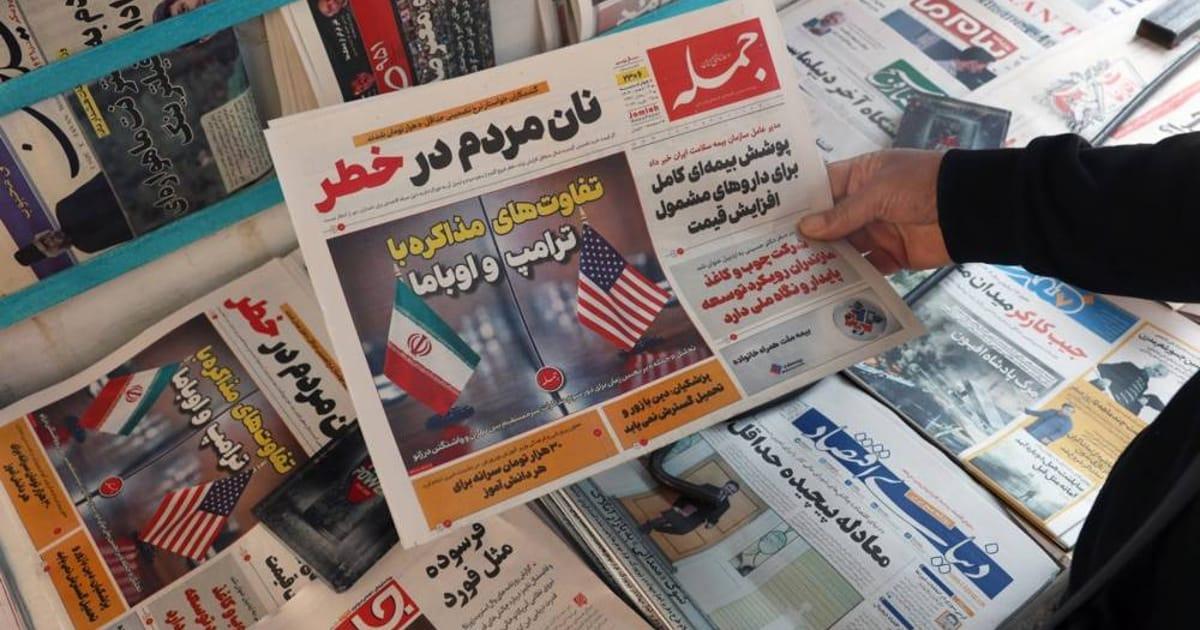
It quoted nuclear watchdog concerns, saying IAEA Director General Rafael Grossi told that verification efforts were “hindered by security conditions on the ground,” and that inspectors were scheduled to visit a newly declared Iranian nuclear facility on “June 13 last year,” but “US-Israeli strikes began the same day.”
TRT World similarly reported Grossi’s warning that “Access was going to take place on June 13, on the day the attacks commence,” and said the timing made inspection impossible.
TRT World also laid out the broader conflict timeline, stating that “The US and Israel began strikes against Iran on February 28,” prompting retaliation from Tehran against US allies in the Gulf and the closure of the Strait of Hormuz.
PressTV offered a parallel timeline, saying “a Pakistan-brokered temporary ceasefire took effect” on “April 8,” and that Iran and the US held “one round of intensive discussions in Islamabad on April 11” that ended after “21 hours” with no breakthrough.
Stakes: Enrichment, Stockpiles, and Missile Limits
The stakes described in the sources center on whether any US-Iran deal would include enforceable limits on uranium enrichment and whether it would address Iran’s missile program.
“The dour outlook came after Iran’s Tasnim and Fars news agencies said Tehran had submitted a 14-point proposal to mediator Pakistan”
The New Indian Express said Trump was “not satisfied” with Iran’s negotiating proposal and quoted Mohammad Jafar Asadi warning that “a renewed conflict between Iran and the United States is likely,” while Axios-reported amendments reportedly demanded Iran not move enriched uranium from bombed facilities or restart nuclear-related activities there during talks.
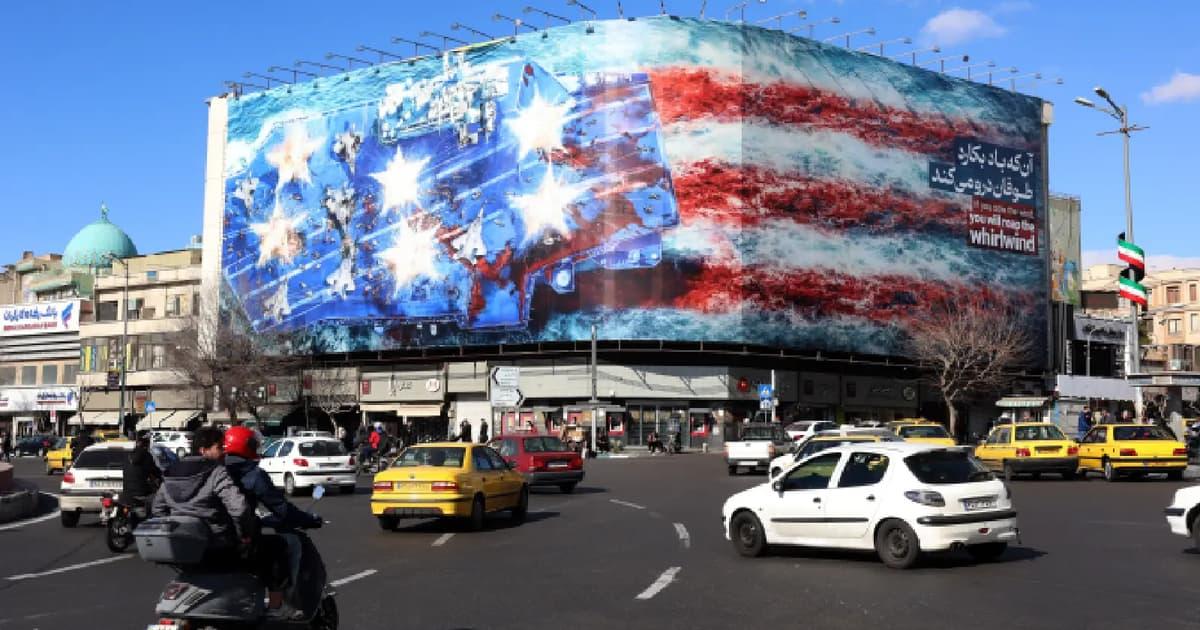
The Al Jazeera net report framed enrichment as the “negotiating hurdle,” quoting that Trump said his men would work to “extract the enriched uranium and move it to the United States,” and that he would not send troops to move the uranium, while also saying he would not pay money for it “not even 10 cents.”
It also cited an American official telling Axios that Iran was seeking “around $20 billion,” and it quoted a senior Iranian official to Reuters saying it might be possible to reach a preliminary agreement but “major differences remain between the two sides, especially on nuclear issues.”
The same report cited IAEA Director General Rafael Grossi saying Iran possesses “about 440 kilograms of uranium enriched to 60%,” described as “close to the 90% threshold needed to produce a nuclear weapon,” and it included a professor’s argument that Trump’s scenario was “far from reality” because Iran would not cooperate with bringing in American forces to extract the 440 kilograms.
Separately, Middle East Online reported Israel’s fears that a US-Iran agreement could leave missile production unrestricted, quoting Israeli Army Radio that “the negotiations currently underway between Iran and the United States do not include discussion of the ballistic missile issue; it is not on the agenda at all.”
More on Iran
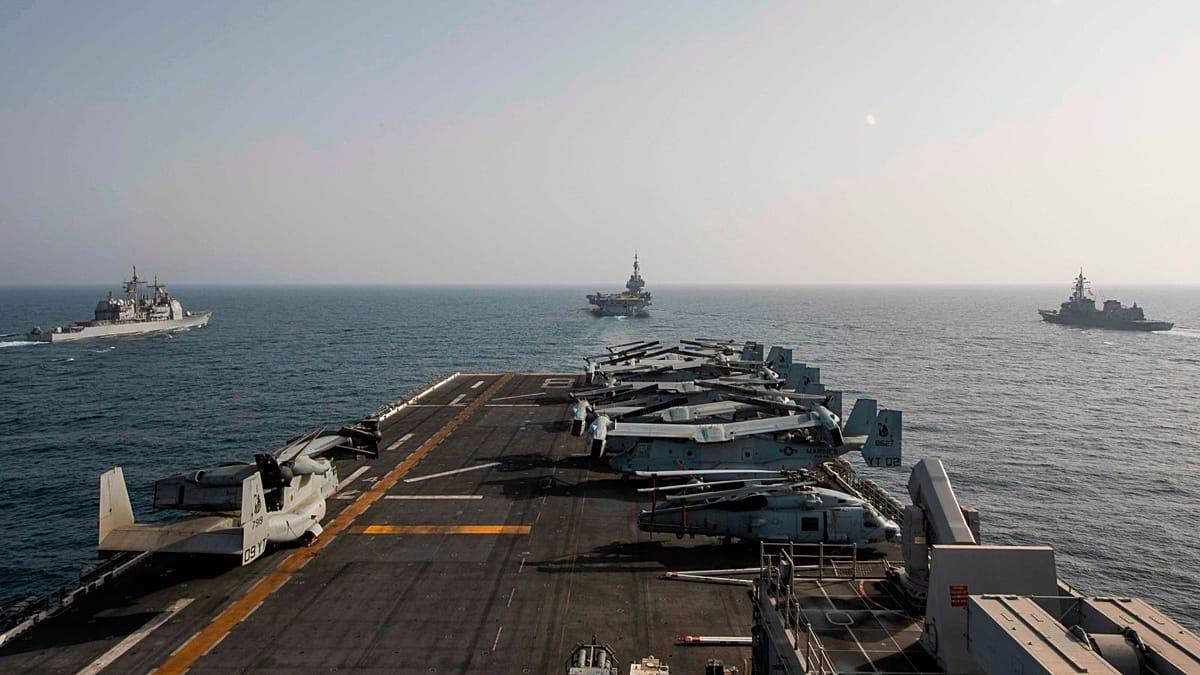
Pentagon Says U.S. Blockade In Strait Of Hormuz Cost Iran $4.8 Billion In Lost Oil Revenue
28 sources compared

Reuters Investigation Links Nobitex Founders Ali And Mohammad Kharrazi To Sanctioned Entities
11 sources compared

Donald Trump Reviews Iran’s 14-Point Proposal, Threatens New Strikes If Tehran Misbehaves
31 sources compared

Donald Trump Reviews Iran’s 14-Point Peace Proposal, Says Iran Has Not Paid Enough Price
26 sources compared