Syria18 July, 20263 min read
Iraq And Syria Sign US-Based Deal To Rehabilitate Kirkuk-Baniyas Oil Pipeline
This article is an automated aggregation of coverage from news outlets. Our editorials offer in-depth analysis curated by the NewsCord team.
Iraq and Syria signed two memoranda of understanding in Washington to rehabilitate the Kirkuk–Banias pipeline. The pipeline rehabilitation aims for about two million barrels per day capacity.
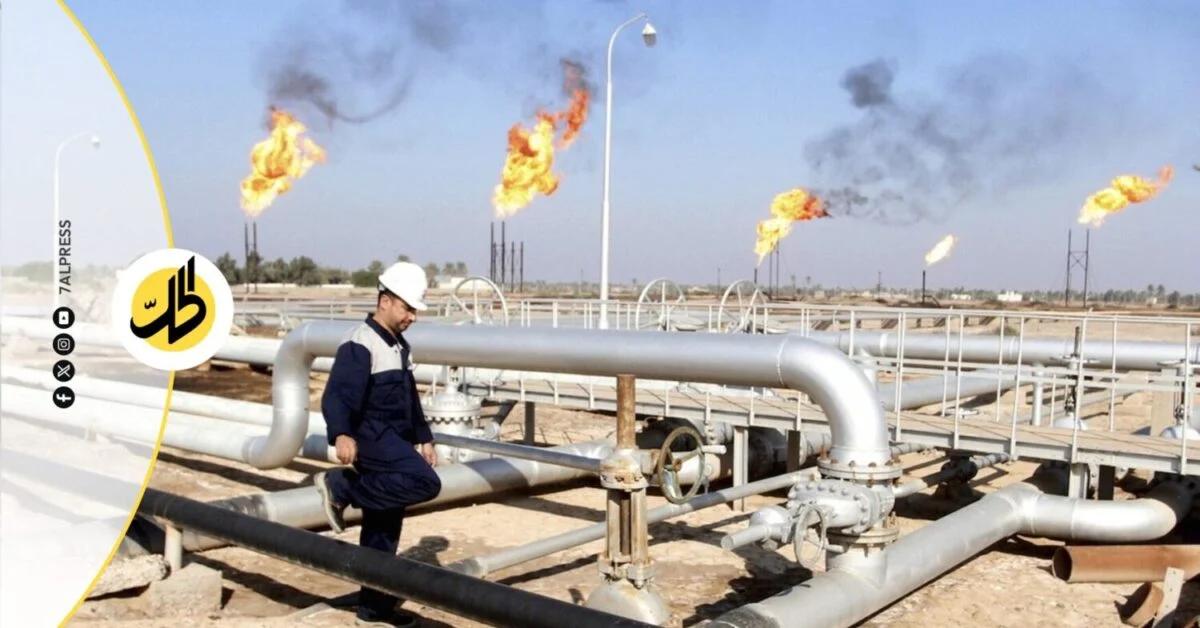
Pipeline revival in Washington
Iraq and Syria signed a cooperation agreement and two memoranda of understanding in the United States to rehabilitate the long-defunct Iraq-Syria crude oil pipeline running from the oil-rich Kirkuk region in northern Iraq to Syria’s Mediterranean port of Baniyas. The US Department of State said the plan would be executed by a “US-led international consortium” and set an initial transport capacity of 2 million barrels per day of crude oil upon rehabilitation. Al Jazeera also tied the pipeline effort to Iraq’s push to move away from dependence on the Strait of Hormuz, where transit has been heavily disrupted due to the US-Israel war against Iran.
SANA said the memoranda were signed during meetings held in the United States by the Syrian Petroleum Company and Basra Oil Company, and that a second memorandum was signed with a consortium bringing together Chevron, UCC Holding, and TI Capital to carry out technical and financial studies and establish operational bases. Kurdistan24 reported the memorandum was signed in Washington on Friday as part of a broader package of 50 agreements and memorandums of understanding between Iraq and the United States worth a combined $60 billion.

Who signed and what they said
Syria’s Al-Watan newspaper, as cited by SyriacPress, said the first memorandum was signed on behalf of Syria by Syrian Petroleum Company CEO Youssef Qablawi and on behalf of Iraq by Basra Oil Company CEO Engineer Bassim Abdul Karim Nassir, in the presence of al-Zaidi and US Energy Secretary Chris Wright. SyriacPress added that Qablawi signed a second memorandum with an international consortium comprising Chevron, UCC Holding, and TI Capital to begin preparing technical and financial studies and establishing the implementation framework for the project. In a media note, the US State Department described the project as “a priority infrastructure project of bilateral and regional strategic significance,” and Kurdistan24 said the department called it “an important milestone for the region and for Syria-Iraq relations.”
SANA quoted engineer Youssef Qablawi saying Syria’s presence at the American Chamber of Commerce aimed to strengthen economic ties with neighboring countries, particularly Iraq, and said exporting Iraqi oil via Syria showed “a high level of bilateral partnership.” Kurdistan24 reported that once rehabilitated, the pipeline will have an initial transport capacity of 2 million barrels of crude oil per day, with Chevron expected to undertake implementation.

Capacity, consortium, and next steps
The US State Department welcomed the plan to rehabilitate and reconstruct the pipeline and said it would “execute the technical and financial aspects” of the project through a “US-led international consortium,” with the initial transport capacity set at 2 million barrels per day. SyriacPress reported that the Kirkuk–Baniyas rehabilitation project aims to restore an operational capacity estimated at around two million barrels of crude oil per day and said the statement described it as a “critical energy corridor linking Iraqi oil production to Mediterranean export markets and beyond.” Libnanews said Lebanon is not involved in the presented agreement, noting that no Lebanese official, national port, oil terminal, or connection to Tripoli appears in the communiqué.
“Lebanon, however, is not involved in the presented agreement.”
Kurdistan24 said the State Department emphasized that US companies will play a leading role in carrying out the project and that the commitment by both governments to rehabilitate and operate the pipeline, establish a legal framework, and work constructively with the consortium advances security and stability through prosperity. Al Jazeera also reported that Iraq’s preliminary deals with Western oil companies were signed at a United States-Iraq business summit at the US Chamber of Commerce in Washington on Friday, with Iraqi Prime Minister Ali al-Zaidi saying, “We are using an open-door policy.”