Asia20 August, 20263 min read
Iraqi PM Ali Faleh al Zaidi Rejects Military Confrontation, Pushes State Arms Control
This article is an automated aggregation of coverage from news outlets. Our editorials offer in-depth analysis curated by the NewsCord team.
Ali al-Zaidi: no military clash with armed factions; dialogue aims to restrict arms to state. Some factions surrendered weapons, cut ties, and joined the Popular Mobilization Forces.
No clash, weapons state control
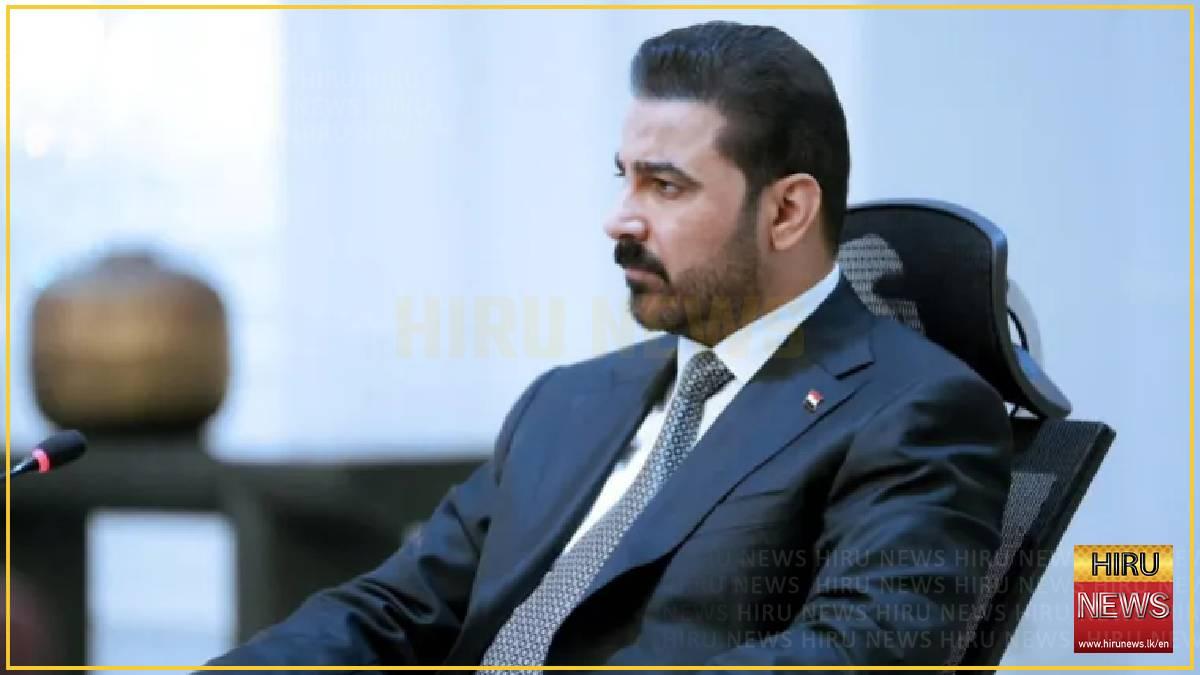
Iraqi Prime Minister Ali Faleh al Zaidi said all political forces agree on consolidating arms under state control and ending the existence of weapons outside his authority during a session of dialogue at the Octava Conferencia de Diálogo de Bagdad in the capital. He said the government is working on "mecanismos para la entrega de las armas y la erradicación total de esta situación" and ruled out any scenario of internal confrontation, adding that "No existen intenciones ni posibilidades de confrontación militar". Hiru News echoed the same line at the eighth Baghdad Dialogue Conference, quoting al-Zaidi saying, “There is no intention of a military confrontation with the armed factions, and there is constructive dialogue with them on restricting weapons to the state,”.
The Reuters-style framing in the sources also ties the weapons-control push to regional tensions and to the war between Irán y Estados Unidos, with Bagdad trying to advance integration or disarmament of armed factions operating in Iraq. The sources also state that Bagdad set 30 de septiembre as a deadline for factions to abandon weapons or fully integrate into the Fuerzas Armadas, under threat of sanctions under the Ley Antiterrorista.

Dialogue, Hormuz pressure, oil
Roya News reported that al-Zaidi said key progress has been made as several armed groups voluntarily relinquished their arms, severed independent ties, and integrated into the official framework of the Popular Mobilization Forces (PMF). It also quoted al-Zaidi describing the closure of the Strait of Hormuz as a “major challenge”, saying Iraqi oil exports were at about 10 percent of normal levels and that alternative export routes were “patchwork” solutions. Al-Jazirah Net similarly stressed that Zaidi announced on Friday that his government has no intention of clashing militarily with armed factions, pointing to ongoing constructive dialogue to restrict arms to the state.
In the same account, the Iraqi Interior Ministry previously announced the creation of an information bank containing about 6 million weapons as part of the government’s efforts to monopolize weapons by the state. The sources frame the weapons-control file as linked to investment conditions, with Infobae quoting al-Zaidi warning that the presence of arms outside state control "ahuyenta la inversión".
Deadline nears, proposals to freeze
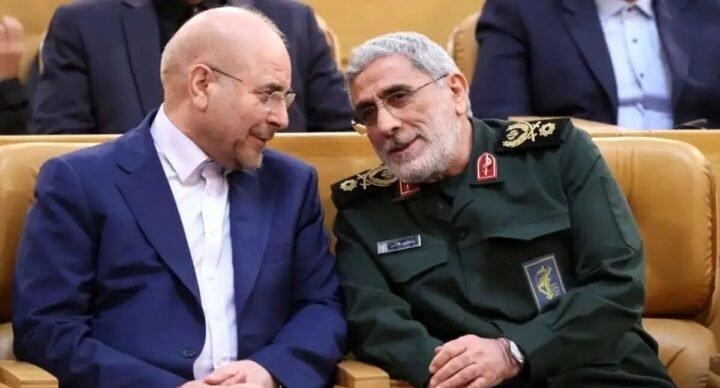
As the September 30 deadline approaches, Al-Sharq al-Awsat’s political source described an option under discussion to extend the deadline “informal” without an official announcement by persuading the prime minister that progress has been made. The same source said that keeping the weapons of two or more factions could be managed through dialogue rather than armed confrontation, while the government source in Al-Sharq al-Awsat said it would not be drawn into “word battles” or “ill-planned confrontations,” and would proceed with applying the constitution and the law. الشرق الأوسط reported that Iranian Parliament Speaker Mohammad Bagher Ghalibaf’s Baghdad visit focused on the fate of the weapons of armed factions as the deadline set by the Iraqi government to confine weapons to state hands on September 30 approaches.
It said the sources described proposals to avoid direct confrontation, including ideas related to a ‘freeze’ of heavy weapons or concealing them, and perhaps transferring a large portion of them to Iran temporarily, while also noting that independent verification was not possible. The same Al-Sharq al-Awsat account described al-Zaidi as committed to applying the law and said any retreat from the deadline or the core of the plan would turn him into a “deprived of powers” prime minister, as faction statements questioned his legitimacy.