Iran · 07 September, 2026 · 3 min read
IRGC Navy Says Strait of Hormuz Is Fully Under Tehran Control, Threatens Firm Action
IRGC Navy says Strait of Hormuz is fully under Tehran's control. Iran plans to declare a restricted zone outside Hormuz, extending from the blockade line.
Whether the strait is open for international shipping.
10 of 11 outlets skipped it: iranian president will travel to Kyrgyzstan for the SCO summit.
The Jerusalem Post was read line by line by the Watchdog: 5.0. See the score →
51outlets compared
Same story, two versions
tap a side to read it in full
Al-Manar TV Lebanon
“The statements by US officials regarding the Strait of Hormuz being open are an obvious lie”Read the original ↗
Al-Sharq al-Awsat
“the U.S. military has removed mines from international shipping lanes in the strait in recent months”
Translated from the original.
Read the original ↗Iranian outlets frame Hormuz as blocked without Tehran coordination. Mainstream or US-linked reporting frames it as partially reopened after mine clearance.
IRGC: Hormuz under Tehran
The Islamic Revolutionary Guard Corps (IRGC) Navy said the Strait of Hormuz is fully under Tehran’s control and warned that ships attempting to pass without prior coordination with Iranian authorities face firm action.
“The naval forces of the Islamic Revolutionary Guard Corps (IRGC) stated that the Strait of Hormuz is fully under Tehran’s control”
In a statement, the IRGC Navy said American statements about reopening the Strait of Hormuz do not reflect the reality on the ground and added that Washington uses those statements to influence oil prices and mask what it described as its failures.
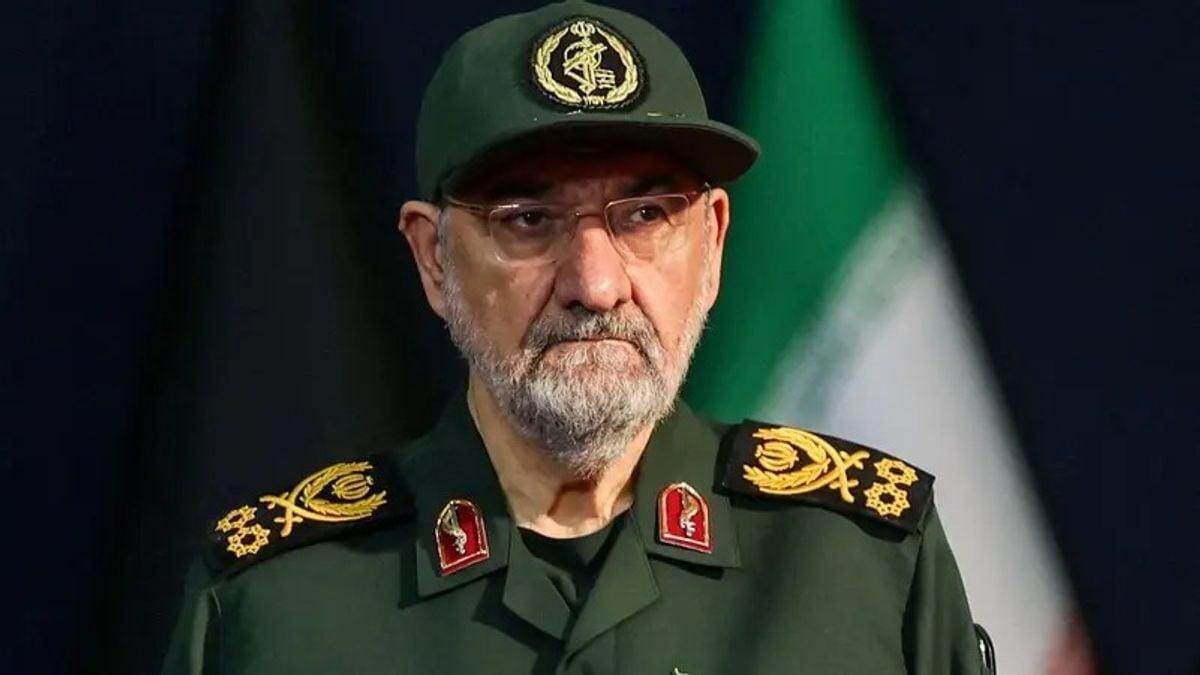
Iran’s demands, as described by the IRGC, include lifting the economic sanctions imposed on the country, ending the naval blockade, releasing blocked Iranian assets, and the withdrawal of American forces from the region.
The IRGC stance came as discord between Tehran and Washington persisted over the security situation in the strait, one of the world’s most important energy transport corridors.
The IRGC also said the measures would continue until what it described as American military actions against Iran end and Tehran’s demanded commitments are implemented, while Iran’s updated measures against ships passing without complying with Iranian instructions included financial penalties, detention, or confiscation.
Ships blocked; U.S. pressure
Iran’s Mehr News Agency, quoting an Iranian source, said Iranian armed forces prevented 30 ships from passing the Hormuz Strait last week, claiming they violated established route and traffic procedures.
The same Iranian source said passage through the strait is currently limited to the path determined by Iran, with coordination with it and payment of the prescribed fees required, and it described the situation as a sharp halt in navigation and trade through the strait.
Tasnim Agency quoted Iran’s navy commander saying his forces "will continue their mission with full force, and will spare no effort in defending Iran, ensuring the security and preservation of the Iranian people,".
The Washington Post, citing informed sources and military officials, described rising pressures within the American military establishment due to ongoing operations against Iran and said the 82nd Airborne Division will remain in the Middle East at least until next September.
The Washington Post also reported that the Chief of Naval Operations told Secretary of Defense Lloyd Austin that the Navy cannot maintain its current level of support for the conflict with Iran, and that about a quarter of the U.S. Navy’s destroyer fleet is only ready for deployment.
Diplomacy vs. sanctions
As Iran continued to insist on restrictions in the Hormuz Strait, the BBC reported that Iran pledged to confront American sanctions and confirmed continued restrictions in the Hormuz Strait six months into the war.
“diplomacy and defense are “two integrated, coordinated tools that are inseparable””
The BBC said Iran’s government stated that diplomacy and defense are “two integrated, coordinated tools that are inseparable” for protecting national interests, security, and Iran’s territorial integrity.
The BBC also reported that the U.S. Treasury Department said it moved to block Egypt’s banks’ branches in the UAE from handling transactions in dollars due to their dealings with Iran, while the bank on Saturday said it is reviewing the American notice.
In parallel, CBS News described a renewed diplomatic push in which Iranian and Omani officials reached an agreement to open a temporary new shipping route through the Strait of Hormuz, but said the U.S. must lift its naval blockade and return to the terms of a previous truce.
CBS News also said Qatar’s foreign minister visited Tehran for talks aimed at creating "suitable conditions for dialogue," and that Qatar urged the two sides to "resume the diplomatic process".