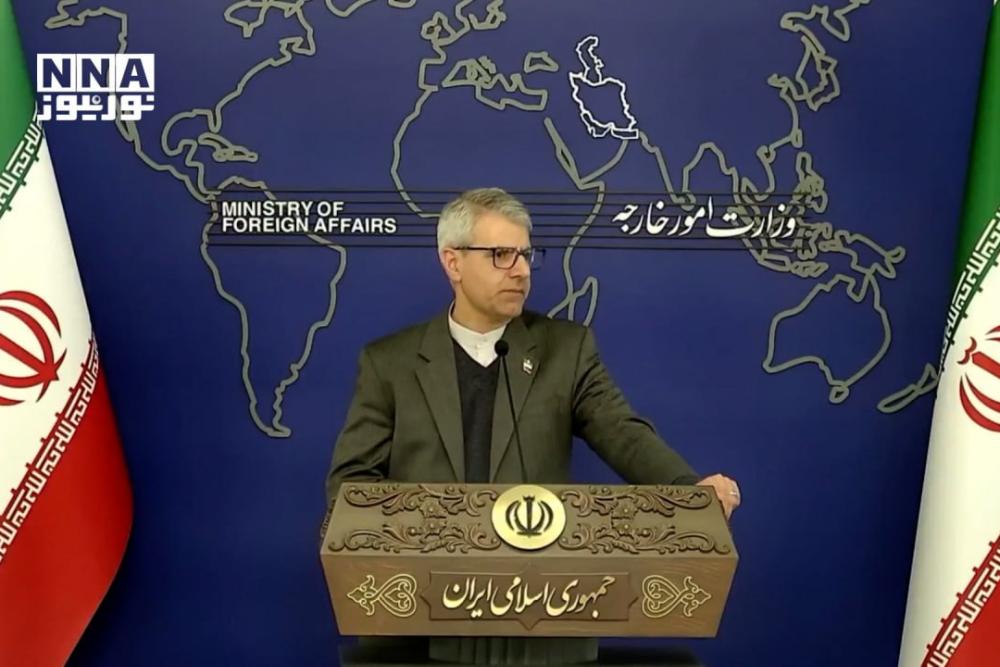
IRGC Navy Seizes MSC Francesca And Epaminodes In Strait Of Hormuz After Trump Ceasefire Extension
Key Takeaways
- IRGC Navy seized two vessels in Strait of Hormuz, directing them toward Iranian shores.
- The seizure followed hours after Trump extended the US-Iran ceasefire.
- Outlets linked the event to broader West Asia escalation and potential oil-market volatility.
Ceasefire, blockade, and ships
Iran’s leadership and military posture remained at the center of the latest ceasefire diplomacy after Donald Trump announced an extension while also keeping the US naval blockade in place, according to Al Jazeera’s account of Trump’s remarks.
Al Jazeera reported that Trump said the ceasefire would be extended to allow more time for negotiations and that the US naval blockade on the Strait of Hormuz and Iranian ports would remain in place.

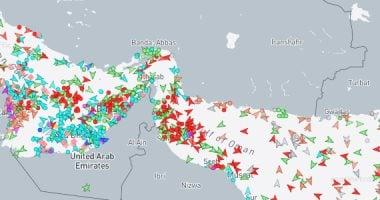
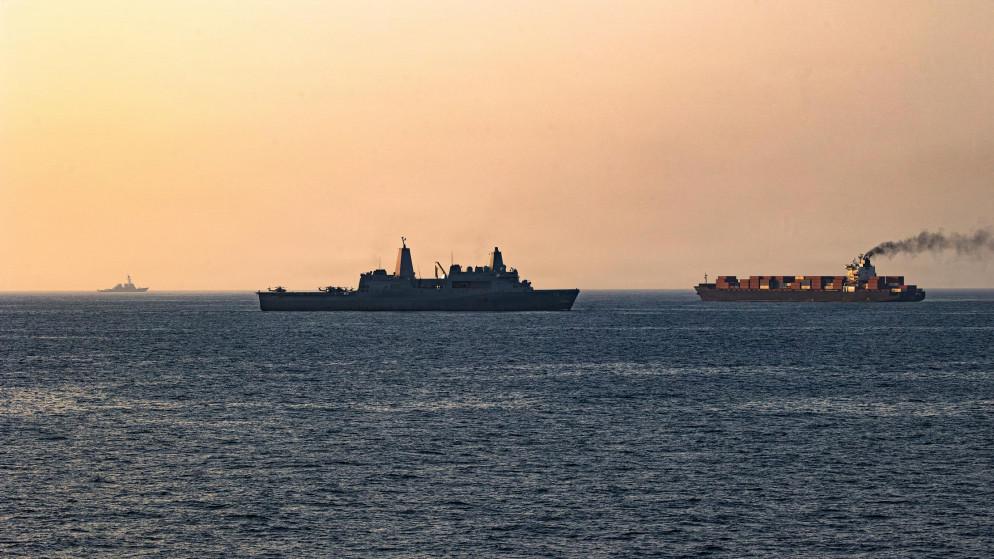
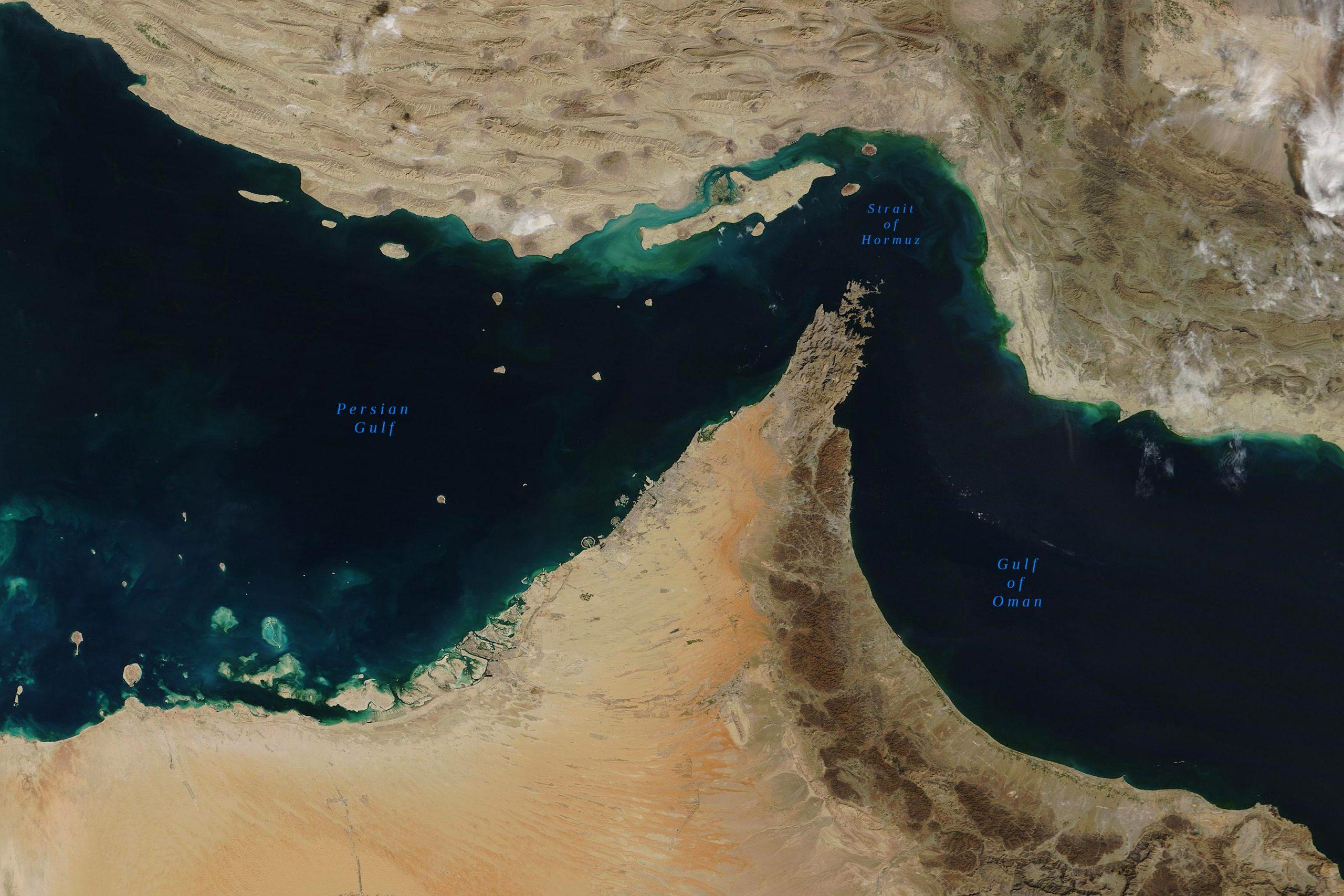
Hours after Trump’s announcement, Iran’s Islamic Revolutionary Guard Corps Navy said it seized two vessels in the Strait of Hormuz and directed them toward Iranian shores, according to Al Jazeera’s related reporting.
In a statement, the Guards said the vessels—identified as MSC Francesca and Epaminodes—violated maritime regulations and endangered navigation by manipulating their tracking systems, and said the ships were detained and escorted to Iran’s coast.
The Guards also described disruption to security in the Strait of Hormuz as a “red line,” referring to the US blockade of Iranian ports.
The UK Maritime Trade Operations (UKMTO) said earlier on Wednesday that two cargo vessels were fired upon in separate incidents in the strait, including a container ship northeast of Oman approached by an IRGC gunboat that opened fire without radio contact.
UKMTO added that all crew were safe and no fire or environmental impact was reported, and in a separate incident west of Iran an outbound cargo ship reported being fired upon and had stopped in the water with no reported damage.
The Jerusalem Post’s live updates also placed the IRGC gunboat incident near Oman alongside other developments involving Israel and Iran, including “Trump extends US-Iran ceasefire,” as the situation around the Strait of Hormuz continued to evolve.
Ghalibaf, Vahidi, and who decides
The question of who speaks for Iran in negotiations and who controls the military response was framed as an internal power struggle, with Al Jazeera describing Trump’s characterization of Iranian leadership as “seriously fractured” and the Institute for the Study of War’s April 20 update describing a division within Iran’s regime.
Al Jazeera reported that Trump described Iran’s leadership as “seriously fractured” as he announced an extension to a ceasefire, and it said Trump appeared to be suggesting that Iran’s leadership is in disarray.

Al Jazeera also described how Iran’s delegation led by parliament Speaker Mohammad Bagher Ghalibaf went to Pakistan’s capital, Islamabad, to begin talks with the US, and it quoted Ghalibaf’s own language about “new cards on the battlefield” after Trump threatened Tehran.
In that same account, Al Jazeera said Ghalibaf wrote that Iran is “prepared to reveal new cards on the battlefield” after Trump threatened Tehran with “problems like they’ve never seen before” if the two-week ceasefire ended without a deal.
The Institute for the Study of War and The Critical Threats Project reported that Iranian Parliament Speaker Mohammad Bagher Ghalibaf appears to be engaged in “a serious intra-regime debate” with IRGC Commander Major General Ahmad Vahidi and other senior officials opposed to negotiations.
ISW-CTP said Ghalibaf publicly defended negotiations on Iranian state television on April 18, arguing that diplomacy with the United States, alongside military power, is necessary to secure Iran’s objectives.
The same ISW-CTP update said US officials told Axios on April 20 that the US negotiating delegation thought it was “negotiating with the right people“ in Islamabad on April 11 and 12, but that the IRGC effectively told the Iranian negotiating delegation upon their return to Tehran that they ”don’t speak for” the IRGC.
ISW-CTP further stated that “we aren’t sure who’s in charge and neither do they,” citing a second US official speaking to the New York Times.
IRGC’s battlefield messaging
While diplomacy and negotiations were being discussed in public, the IRGC’s own messaging emphasized readiness for confrontation and promised “crushing blows” beyond an enemy’s imagination, according to PressTV’s account of an IRGC statement marking the anniversary of the IRGC’s establishment.
PressTV said the Islamic Revolution Guards Corps announced its readiness to create “shocking events” far beyond the comprehension and calculation of the US-Israeli enemy on the battlefield.
The statement said IRGC’s multiple forces and the popular Basij “are ready to create achievements and shocking events far beyond the comprehension and calculation of the warmongering and treacherous enemy, utilizing new cards on the battlefield.”
PressTV also quoted the IRGC saying it is “ready for decisive, certain, and immediate confrontation with any threat or repetition of enemy aggression.”
In the same PressTV account, the IRGC framed the conflict as beginning with what it called an “unprovoked war on Iran” launched by the United States and Israel on February 28, and it said the campaign included assassinating Ayatollah Seyyed Ali Khamenei and striking nuclear sites, schools, hospitals and a synagogue in Tehran.
PressTV then described Iran’s response as “100 waves of retaliatory strikes under Operation True Promise 4,” launching hundreds of ballistic and hypersonic missiles, as well as drones, against American military bases across West Asia and Israeli positions throughout the occupied territories.
The IRGC statement said the “100-wave system of combined missile and drone operations “inflicted fatal and devastating blows to their infrastructure, strategic centers, and support capabilities.”
PressTV further said the IRGC attributed the result to a “cognitive vacuum” for the aggressive and invading front, leading to miscalculations and “their pleading for a ceasefire from mighty and proud Iran.”
A new supreme leader’s status
The internal leadership question also spilled into public speculation about the status of Iran’s new supreme leader, with one outlet reporting Trump’s comments about whether Mojtaba Khamenei is alive and another describing claims about his injuries.
صدى البلد reported that US President Donald Trump told reporters on Monday that he does not know whether the new Iranian supreme leader, مجتبى خامنئي, who has not appeared publicly since his appointment was announced, is alive.
The outlet quoted Trump saying, “Many people say he suffers severe deformities, and they say he has lost his leg, and he sustained severe injuries, while others say he has died, and no one can say that he is in perfect health.”
It added that Trump said, “So, this may be for many reasons. We do not know... whether he is dead or not. Now that his appointment has been announced, I say that no one has seen him, and this is unusual.”
صدى البلد also claimed that Khamenei was injured with a broken foot and other minor injuries on the first day of the American-Israeli bombing campaign, citing a “well-informed source who spoke to CNN,” and it said the source added that Khamenei, 56 years old, was injured with a bruise around his left eye and minor facial wounds.
In parallel, Al Jazeera’s profile of Mojtaba Khamenei said he was selected as Iran’s new supreme leader on March 8, according to state media reports, and it said he has not been seen in public since his ascension.
Al Jazeera also reported that on March 13, US Secretary of Defense Pete Hegseth claimed Iran’s new supreme leader had been wounded in US-Israeli strikes, and it said an April 11 Reuters report quoted three people close to the supreme leader’s inner circle saying he was still recovering from severe facial and leg injuries suffered in the air strike that killed his father.
Al Jazeera added that it could not independently verify those claims and said the sources quoted him taking part in meetings with senior officials through audioconferencing.
Seizures, executions, and trials
Beyond the ceasefire and negotiations, the sources also describe enforcement actions and legal cases tied to Iran’s security apparatus, including claims about ship seizures and reporting on executions and a Pakistani defendant’s testimony.
In the Strait of Hormuz reporting, Iran’s IRGC Navy said it seized MSC Francesca and Epaminodes and directed them toward Iranian shores, while UKMTO described gunfire incidents in the strait and said crews were safe.
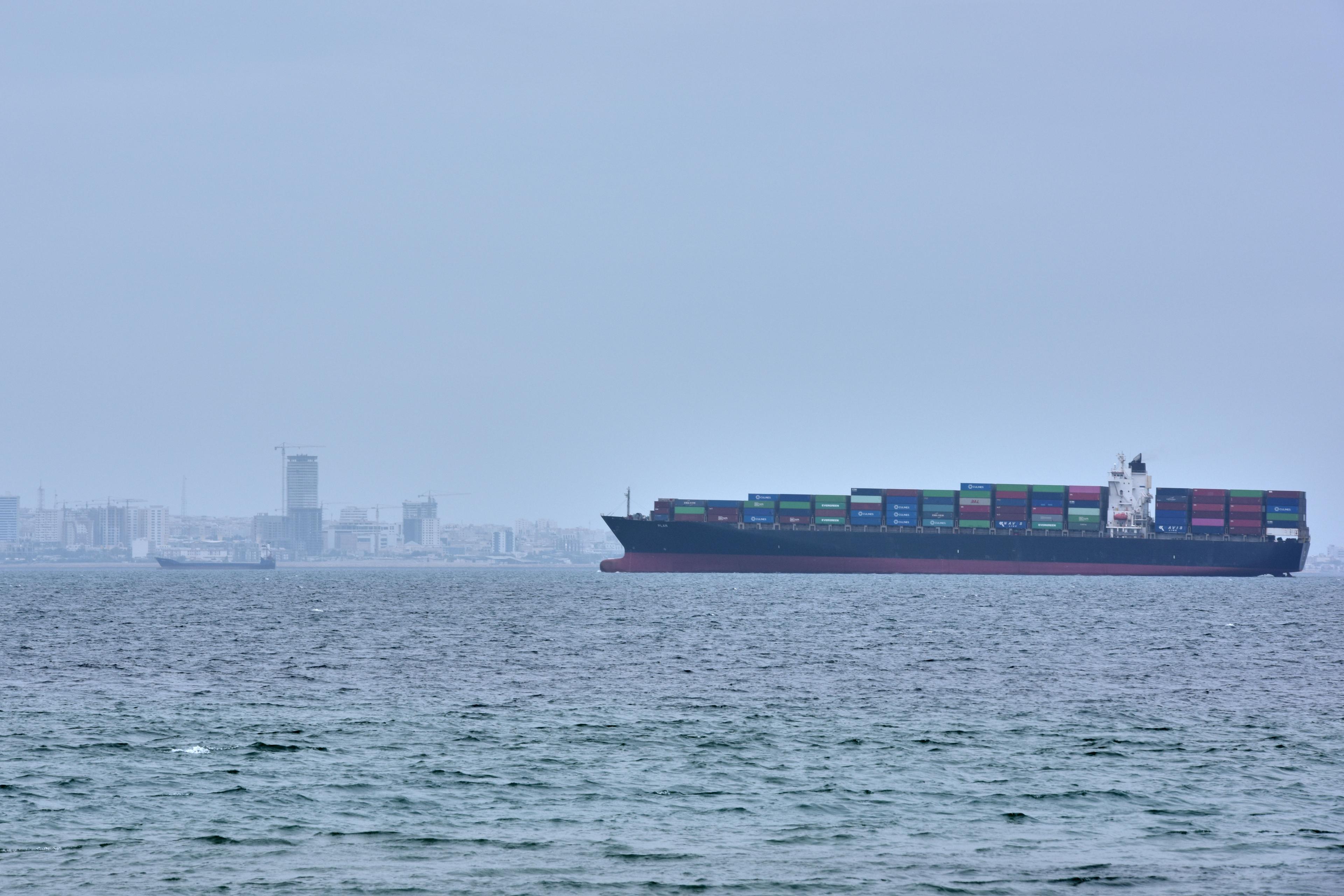
The same Iran-focused reporting also referenced an IRGC-affiliated Fars News Agency claim that three vessels—Euphoria, MSC Francesca and Epaminodes—were targeted, and it described disruption to security in the strait as a “red line.”
Separately, the Iran-focused reporting included a section on “Atomic-linked executions,” citing that rights group Hengaw said Iran executed Javad Naeimi, described as a nuclear engineer working at the Natanz facility, after convicting him of spying for Israel.
That same account said Hengaw reported Naeimi was hanged in Qom Central Prison and that the execution was carried out in secrecy, while Iranian state media reported the execution of a man on espionage charges without identifying him.
The reporting also said Hengaw claimed Naeimi had been arrested in February 2024 and sentenced to death after what it described as an opaque judicial process, adding that he was subjected to torture and coerced confessions during the process.
In a different legal context, Amad للإعلام described a Pakistani being tried in New York on charges of planning to assassinate U.S. President Donald Trump and other political figures, and it said the accused, Asif Margent (47), revealed he cooperated with the IRGC.
Amad’s account quoted testimony that Margent said, “My family was threatened and I had no choice,” and it also quoted him saying, “He did not tell me exactly who the people involved were, but he named three names: Donald Trump, (former) President Joe Biden, and Nikki Haley,” and it said the testimony was delivered in Urdu and translated by an interpreter.
More on Iran
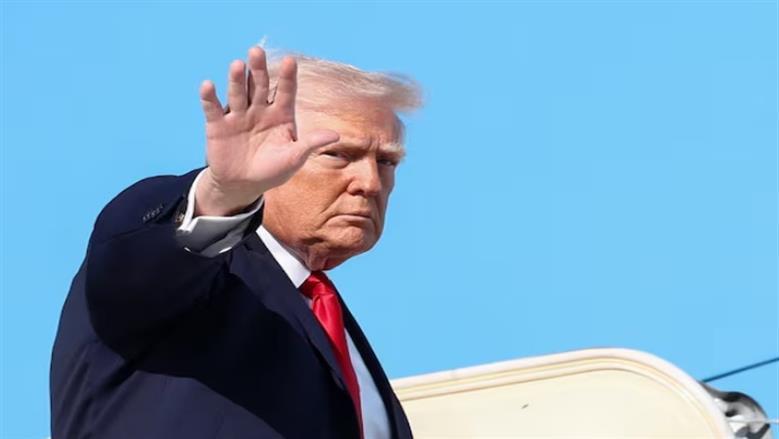
Trump Extends Ceasefire as US-Iran Peace Talks Stall and Strait of Hormuz Tensions Rise
22 sources compared
Iran Fires on Three Ships and Seizes Two in Strait of Hormuz, Trump Extends Ceasefire
28 sources compared

Trump Extends Iran Ceasefire While US Keeps Naval Blockade in Strait of Hormuz
18 sources compared
Iran’s Islamic Revolutionary Guard Corps Seizes Two Ships in Strait of Hormuz After Trump Ceasefire Extension
20 sources compared