
IRGC Seizes Israeli-Linked MSC-Francesca and Epaminodes in Strait of Hormuz
Key Takeaways
- IRGC Navy seized two vessels, MSC Francesca and Epaminodes, in the Strait of Hormuz.
- The vessels were transferred to Iranian territorial waters after maritime violations.
- MSC Francesca is identified as Israeli-linked by IRGC statements.
Seizures in Hormuz
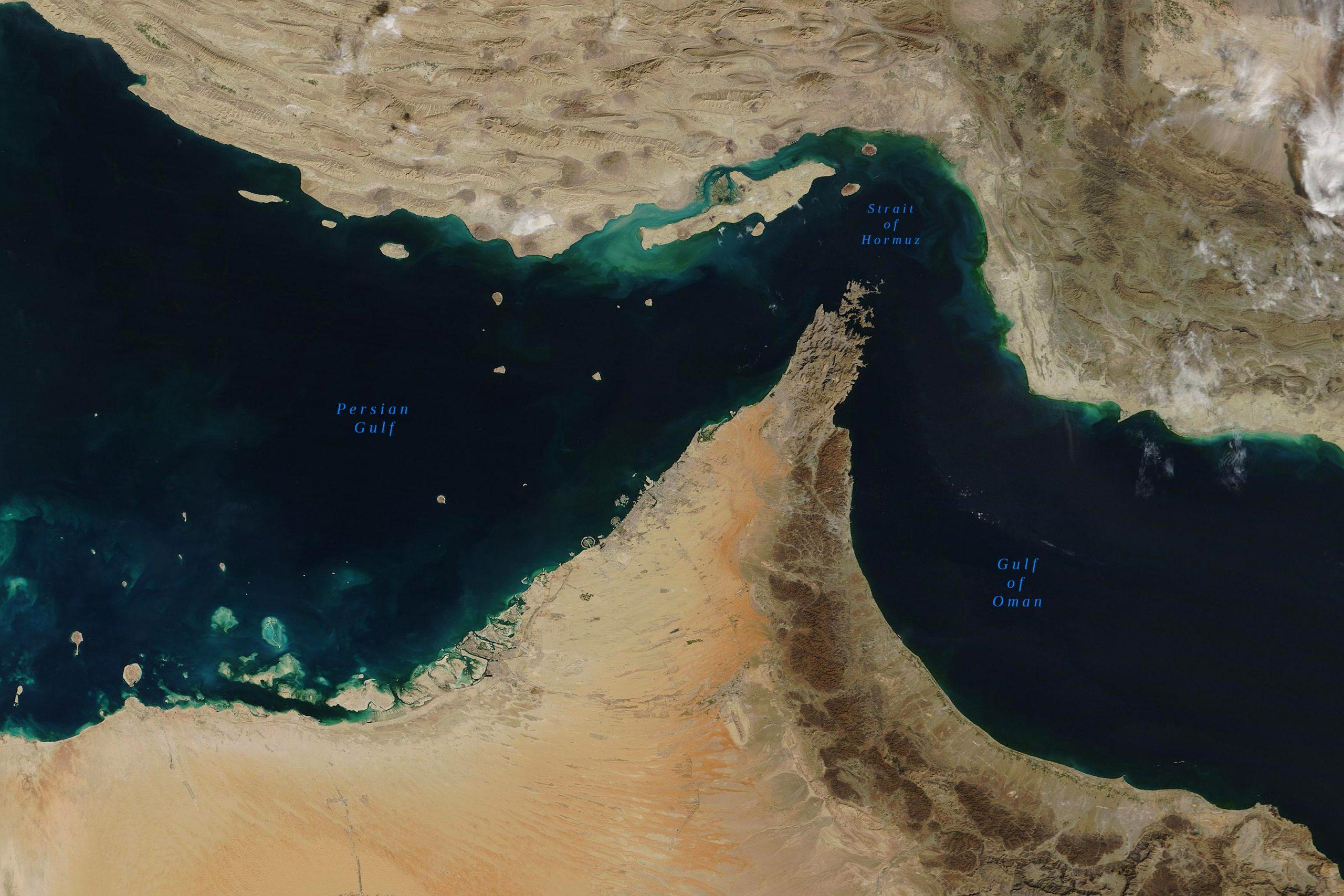
Iran’s Islamic Revolutionary Guard Corps (IRGC) says it seized two vessels in the Strait of Hormuz and transferred them to Iranian territorial waters after what it described as maritime violations.
“Iran’s Islamic Revolutionary Guard Corps (IRGC) Navy said on Wednesday it had seized two vessels in the Strait of Hormuz and escorted them into Iranian territorial waters, warning that any disruption to security in the strategic waterway would not be tolerated”
In a statement released on Wednesday, the IRGC Navy identified the vessels as the MSC-Francesca, which it said belongs to the Israeli regime, and the Epaminodes, and said they were operating without authorization, committing repeated violations, tampering with navigation aid systems, and endangering maritime security while attempting to exit the strait covertly.
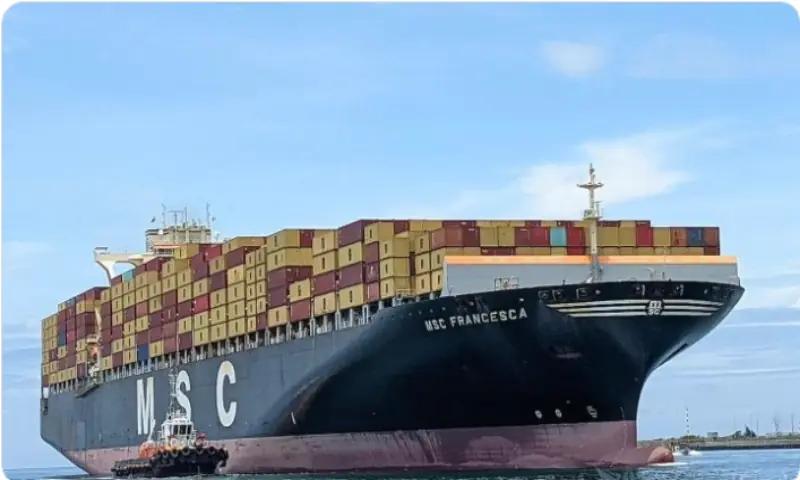
PressTV quoted the IRGC Navy saying, "With the intelligence dominance of the forces, these vessels were identified and stopped in order to uphold the rights of the noble Iranian nation in the Strait of Hormuz," adding that the vessels were transferred for inspection of their cargo and documents.
BBC reported that Iran’s navy said it had seized two cargo ships in the Strait of Hormuz and taken them to the country’s coast after reports that three vessels came under fire from Iranian forces.
BBC Verify, as cited by BBC, described the sequence as the IRGC opening fire on the first ship, the Epaminodes, after it had "ignored the warnings of the Iranian armed forces," then stopping a second ship named Euphoria after being "fired upon," and then targeting a third vessel, the MSC-Francesca.
BBC also reported that the IRGC Naval Command posted on social media that the two seized ships had "endangered maritime security by operating without the necessary permits and tampering with navigation systems," and that the statement read, "Disruption of order and safety in the Strait of Hormuz is our red line."
Attacks, convoy, and permits
The seizures came alongside reports of fire and damage to multiple ships in the same waterway, with BBC describing a three-vessel incident and Al Jazeera describing a gunboat firing near Oman.
BBC said Nour News, a website affiliated with Iran's Supreme National Security Council, reported that the IRGC opened fire on the first ship, the Epaminodes, after it had "ignored the warnings of the Iranian armed forces," and that a second ship, Euphoria, was then stopped after being "fired upon," followed by targeting of a third vessel, the MSC-Francesca.

BBC also reported that the statement does not mention the ship Euphoria, while IRGC-affiliated outlet Fars News Agency said the Revolutionary Guard was behind the attacks.
BBC further cited UKMTO and Vanguard, reporting that the first ship targeted by the IRGC on Wednesday morning is called the Epaminondas, and that the ship's master had been told the vessel had permission to transit the strait, but that it was approached by an IRGC gunboat, which opened fire and caused significant damage to the bridge.
BBC Verify also reported that the second cargo ship targeted in the strait is the Panama-flagged Euphoria, owned by a UAE-based company, with Jeddah in Saudi Arabia listed as its destination, and that it was not clear who targeted the second vessel.
Al Jazeera said an Iranian gunboat fired on a container vessel near Oman, and that UKMTO reported the captain said the ship had been approached by an IRGC vessel before shots were fired, with UKMTO adding, "[It] has caused heavy damage to the bridge. No fires or environmental impact reported," and that no casualties were reported and all crew members were safe.
Al Jazeera’s report also said the Strait of Hormuz remains one of the most strategically significant waterways and quoted its correspondent in Tehran, Tohid Asadi, saying, "This is in line with what we heard from the IRGC previously, saying that any passage of ships, vessels or oil tankers through the Strait of Hormuz should be with the permission and coordination of the IRGC."
Ceasefire extension and skepticism
The interceptions and attacks occurred hours after US President Donald Trump extended a two-week ceasefire with Iran until talks between the two nations come to a conclusion, while maintaining a US blockade of Iranian ports.
“Iran says it has seized two ships in Strait of Hormuz after vessels attacked Iran's navy said it has seized two cargo ships in the Strait of Hormuz and taken them to the country's coast after reports that three vessels came under fire from Iranian forces”
BBC reported that the interceptions came hours after Trump extended a two-week ceasefire with Iran until talks between the two nations come to a conclusion, and that the initial truce was due to expire on Wednesday, but Trump said he had been asked to hold off on attacking Iran by Pakistan, which has been acting as a mediator.
BBC also said Trump confirmed the US Navy would maintain its maritime blockade of Iranian ports, which Tehran considers a violation of the ceasefire, and that Iran has not requested an extension of the truce and has warned it could attempt to break the blockade by force if tensions escalate further.
DW described the situation as “skepticism in Tehran despite the extension,” and said senior Iranian officials had not formally responded to the decision, while Iran had not asked for a ceasefire extension, a state news agency said.
In a post in Persian on X, Mahdi Mohammadi, an adviser to the Iranian parliament speaker, told BBC that the move by the US president is "certainly a ploy to buy time for a surprise strike," and said the continuation of Trump’s "siege" is "no different from bombardment" and must be "met with a military response."
BBC also quoted Mohammadi saying, "The time for Iran to take the initiative has come."
Al Jazeera added that the capture followed Wednesday’s incident in which an Iranian gunboat fired on a container vessel near Oman, and it said Iranian officials were discussing charges and transit fees for vessels using the route.
US claims and Iranian responses
US and Iranian officials framed the Hormuz crisis through competing claims about economic pressure, leverage, and the meaning of the ceasefire.
The Times of Israel reported that Trump claimed Iran was “collapsing financially” over the closure of the Strait of Hormuz, and it quoted Trump writing on Truth Social: "Iran is collapsing financially! They want the Strait of Hormuz opened immediately," and "They want it open so they can make $500 Million a day," adding that he wrote, "SOS!!!"
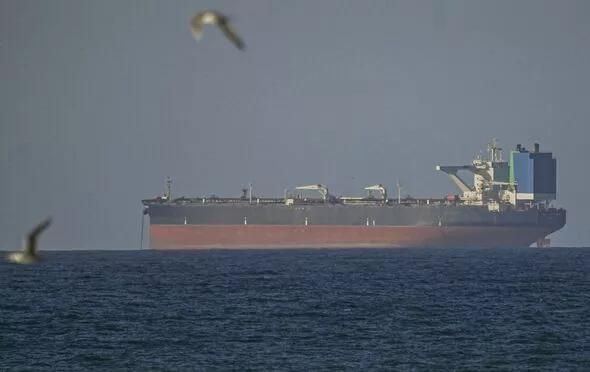
The Times of Israel also reported that Trump suggested the US blockade was crucial leverage in negotiations, saying that if he agrees to reopen the Strait of Hormuz, "There can never be a Deal with Iran, unless we blow up the rest of their country, their leaders included!"
It further cited US Treasury Scott Bessent on X saying the blockade "directly targets the regime’s primary revenue lifelines" by constraining maritime trade, and it quoted Bessent saying, "Kharg Island storage will be full and the fragile Iranian oil wells will be shut in,".
Iran’s Agriculture Minister Gholamreza Nouri, quoted by IRNA, said the US naval blockade had had little impact on Iran’s ability to supply basic goods and food, saying, "Despite the US naval blockade, we have no problem in supplying basic goods and food because, due to the size of the country, it is possible to import from different borders," and "About 85 percent of agricultural products and basic goods are produced domestically, so the country’s food security is established,".
PressTV described Tehran’s condemnation of the US naval blockade as an act of aggression and a violation of international law, and it said Iran placed special controls on the strategic waterway days after the start of the US-Israeli war on February 28.
BBC’s account of the earlier truce said Iran agreed to allow vessels through the strait for two weeks, with their passage coordinated by the Iranian military, and that on 13 April the US started a naval blockade of maritime traffic entering and leaving Iranian ports.
What comes next
The sources portray the Hormuz seizures as part of a broader contest over control of transit, with both sides warning of continued monitoring and decisive action.
“What you need to know - Iran's Revolutionary Guard says 2 ships have been seized in the Strait of Hormuz for maritime violations - Trump said he would extend the ceasefire indefinitely for further peace talks - There is skepticism in Tehran despite the extension - Senior Iranian officials had not formally responded to the decision - Iran had not asked for a ceasefire extension, a state news agency said Here is a roundup of the latest developments from the US-Israeli war with Iran on Wednesday, April 22: Reza Pahlavi, son of the Shah, arrives in Berlin for talks Reza Pahlavi, an Iranian politician in exile and the son of the last Shah of Iran, who was overthrown in 1979, has arrived in Berlin”
PressTV said the IRGC Navy reiterated that any attempt to disrupt the implementation of laws announced by Iran for transit through the Strait of Hormuz, or any activity inconsistent with safe passage through this strategic waterway, will be continuously monitored and met with decisive and legal action against violators.
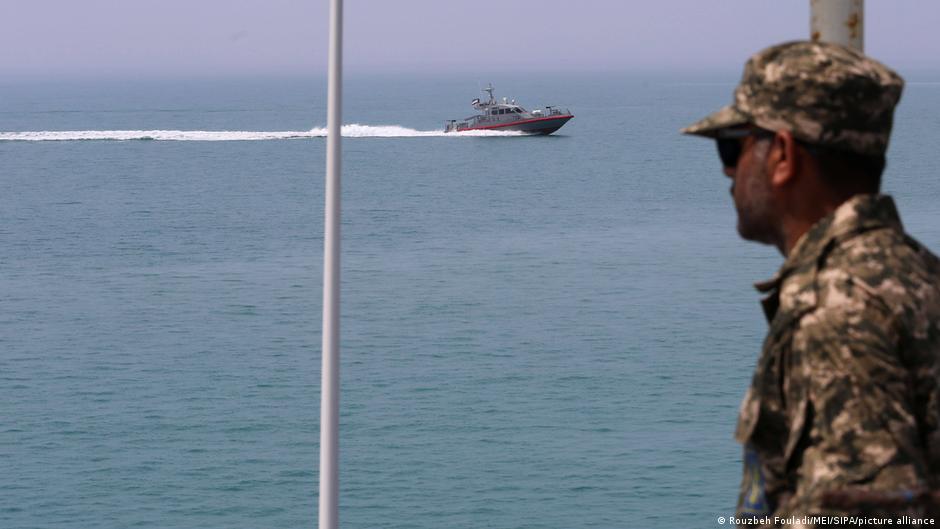
BBC reported that the IRGC statement warned that the navy is "monitoring" movements through the strait and vowed "firm" action against the "violators," while adding that the two seized vessels will have their cargo and documents examined.
Al Jazeera said Iranian officials were discussing charges and transit fees for vessels using the route, and it framed the capture as part of Iran’s continuing strategy to impose control and authority over maritime traffic through the chokepoint.
DW’s roundup said Iran has acknowledged Trump’s truce extension but has not said whether it is ready to attend a new round of talks, and it described that Iran is keeping the Strait of Hormuz closed to most ship traffic while seizing two ships and attacking a third vessel attempting to transit the waterway.
BBC also described the earlier conditional truce and the subsequent blockade, saying that on 8 April Iran and the US agreed to the conditional truce, that initially Trump said the deal was struck on the condition that Iran reopens the Strait of Hormuz, and that on 13 April the US started a naval blockade of maritime traffic entering and leaving Iranian ports.
In the same BBC report, UKMTO said it "is aware of high levels of activity in the SoH [Strait of Hormuz] area and encourages vessels to report any suspicious activity".
More on Iran
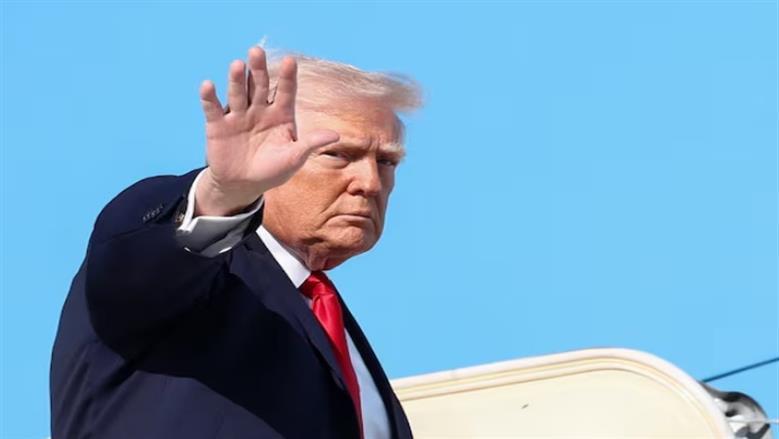
Trump Extends Ceasefire as US-Iran Peace Talks Stall and Strait of Hormuz Tensions Rise
22 sources compared
Iran Fires on Three Ships and Seizes Two in Strait of Hormuz, Trump Extends Ceasefire
28 sources compared

Trump Extends Iran Ceasefire While US Keeps Naval Blockade in Strait of Hormuz
18 sources compared
Iran’s Islamic Revolutionary Guard Corps Seizes Two Ships in Strait of Hormuz After Trump Ceasefire Extension
20 sources compared