Ishaq Dar And Abbas Araqchi Push Pakistan-Iran Talks For Ceasefire With Washington
Key Takeaways
- Pakistan pushes for US-Iran ceasefire talks amid blockade and escalation.
- Iran's top diplomat travels to Pakistan to press for ceasefire negotiations.
- Pakistan hosts potential second round talks to de-escalate US-Iran tensions.
Pakistan-Iran call
High-level diplomacy between Pakistan and Iran intensified as both sides focused on de-escalation between Tehran and Washington, with Pakistan’s Foreign Ministry announcing talks aimed at a “ceasefire” with the United States.
“US and Iran in blockade standoff as Pakistan pushes for talks Courtesy of last night's Truth Social post from US President Donald Trump, the ceasefire between Iran, the US and Israel which was due to expire on Wednesday does at least persist”
The Pakistani Foreign Ministry said Deputy Prime Minister and Foreign Minister Ishaq Dar received a phone call from his Iranian counterpart, Abbas Araqchi, and that the two exchanged “in-depth views on the rapidly evolving regional developments.”
The statement emphasized “the issue of a ceasefire between Washington and Tehran,” and it said the discussion also covered Pakistan’s “ongoing diplomatic efforts in this regard.”
Ishaq Dar told Araqchi that “dialogue and continuous engagement are essential mechanisms for addressing all outstanding issues,” and he said Pakistan would “spare no effort in facilitating a path to ending the fighting.”
For his part, Abbas Araqchi expressed his country’s “deep appreciation for Pakistan’s ‘facilitating, constructive, and continuous’ role” in trying to defuse the crisis between Tehran and Washington.
The two ministers agreed “to remain in close contact to follow up on the outcomes of ongoing diplomatic efforts,” as the diplomatic push unfolded against a backdrop of a blockade standoff in the Strait of Hormuz.
Iran diplomat heads to Pakistan
Iran’s top diplomat was set to travel to Pakistan for ceasefire-related talks as Islamabad sought to convene a second round of negotiations between Iran and the United States.
The Associated Press reported that Iran’s state-run IRNA confirmed Foreign Minister Abbas Araghchi was heading to Pakistan for “bilateral consultations” and regional developments, and it said he would also travel to Oman and Russia.
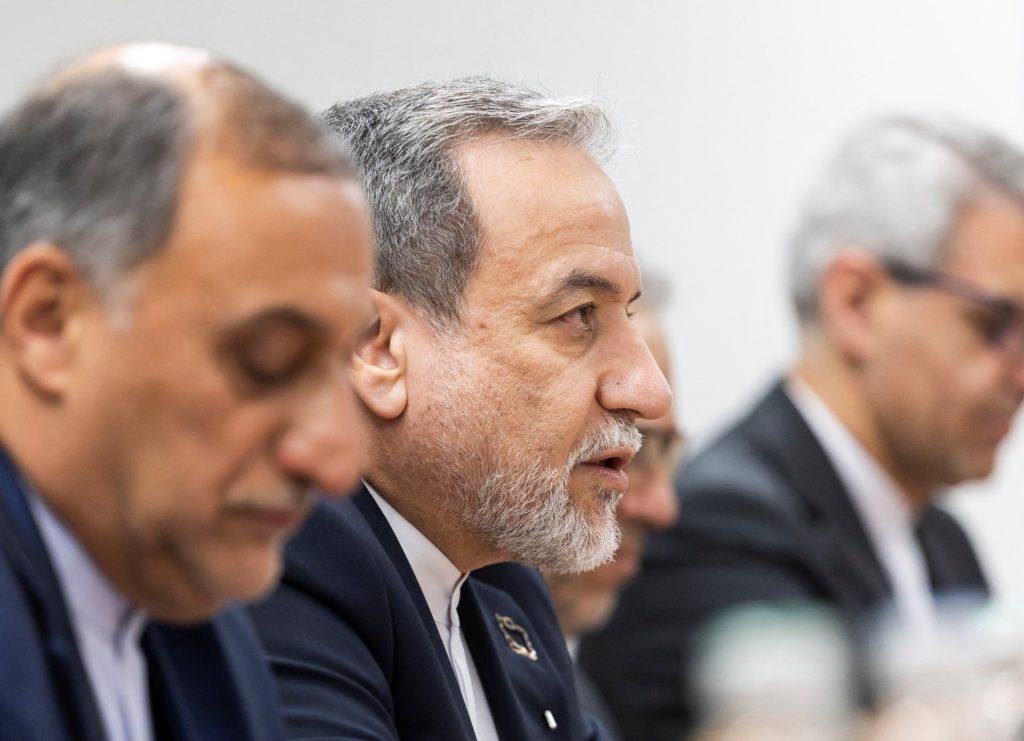
The AP said the trip came as the world remained on edge over a war that had “snarled crucial energy exports through the Strait of Hormuz,” clouded the global economic picture, and left “thousands dead across the Middle East.”
Two Pakistani officials told The Associated Press that Araghchi was heading to Pakistan with a small government delegation, speaking on condition of anonymity because they were not authorized to speak to the media.
The White House did not immediately respond to questions about whether a U.S. delegation would also go, while the AP described Islamabad’s effort to reinject momentum into negotiations that had been set to resume but did not materialize.
In a separate thread of the same diplomatic push, the BBC described the ceasefire as persisting while the region experienced a “war of blockades” over the Strait of Hormuz, with both sides using force to intercept and seize commercial vessels.
Blockade standoff and talks
As Pakistan pushed for talks, the BBC described a blockade standoff in which the ceasefire “between Iran, the US and Israel” was said to persist while the region remained tense.
“Islamabad, Pakistan – Amid intensive diplomatic efforts to contain the military escalation in the region, the Pakistani Foreign Ministry announced high-level talks between Islamabad and Tehran”
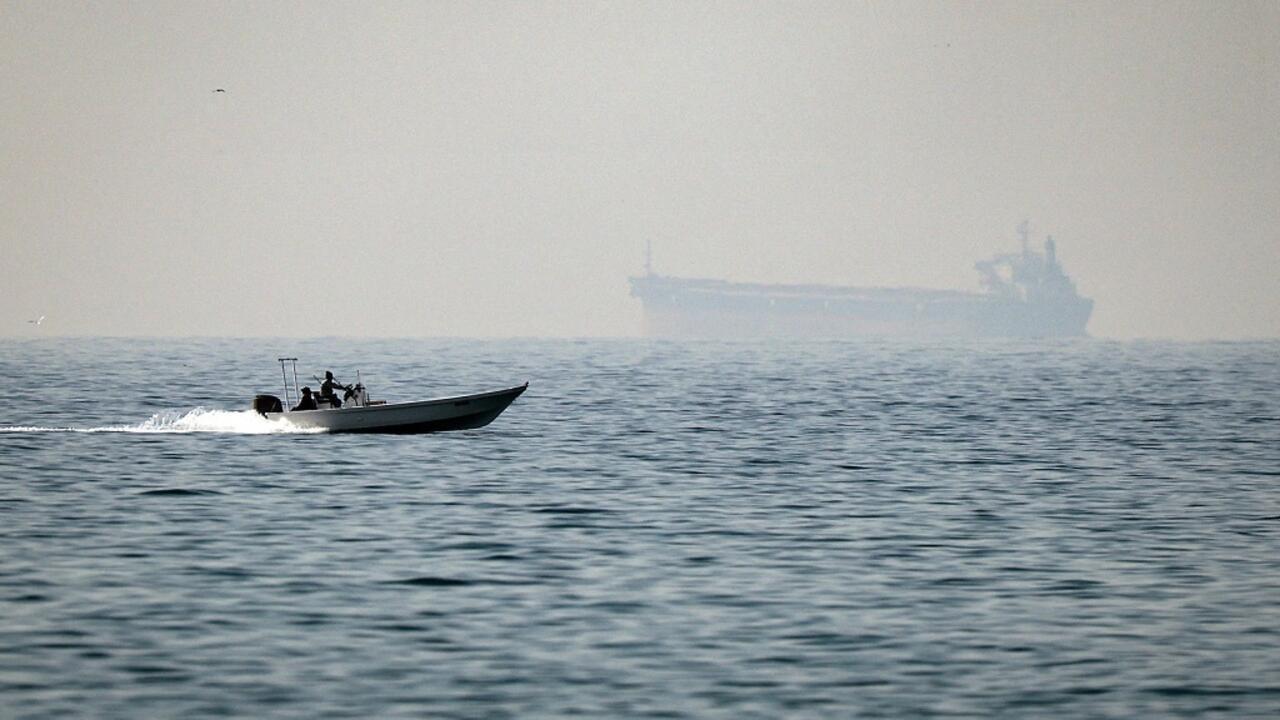
The BBC wrote that instead of open fighting, there was a “war of blockades” over the Strait of Hormuz, and it said “both sides using force to intercept and seize commercial vessels.”
It described the mood in the waterway as “combustible,” and it said it would be “unwise to bet against events spiralling out of control.”
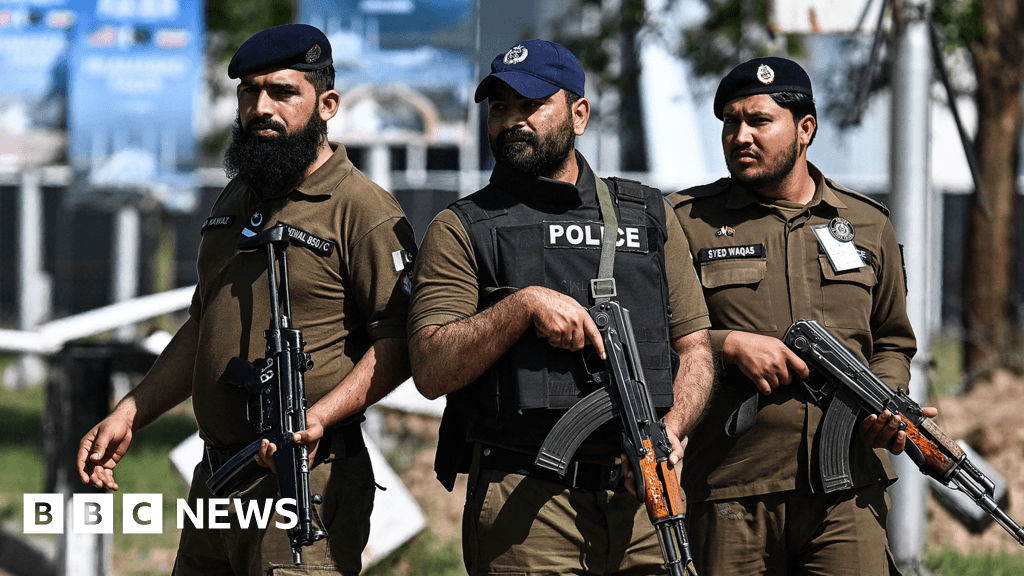
The BBC said Islamabad still waited for Iranian and American representatives to arrive for peace talks, and it described parts of the city as sealed off while “the hotel where talks were expected to take place is empty.”
In parallel, the AP reported that the Strait of Hormuz remained a flashpoint, noting that “a fifth of the world's oil and natural gas is shipped during peacetime.”
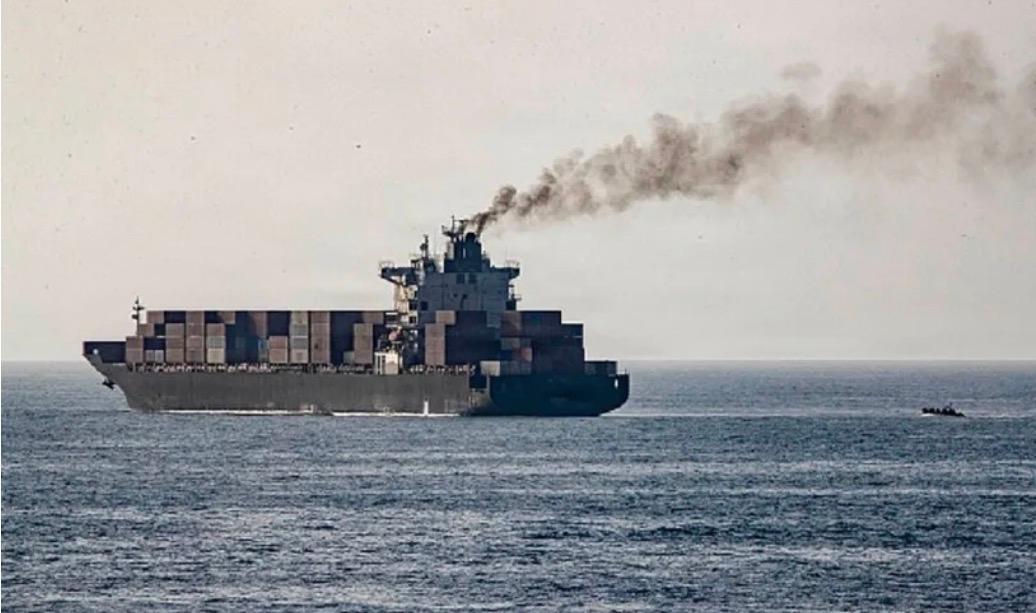
The AP said Iran had kept “its stranglehold on traffic through the strait,” while the U.S. maintained its blockade of Iranian ports and ordered the military to “shoot and kill” small boats that could be placing mines.
Enrichment, dates, and competing proposals
Beyond ceasefire mechanics, the sources also described competing positions on nuclear enrichment and shifting expectations for when talks might resume.
The West Asian outlet Al Khaleej reported that U.S. President Donald Trump said talks with Iran could be held in Pakistan within “the next couple of days,” with expectations “on Saturday or at the latest the start of next week,” and it said international and regional calls to resume dialogue intensified after Islamabad’s talks failed days earlier.
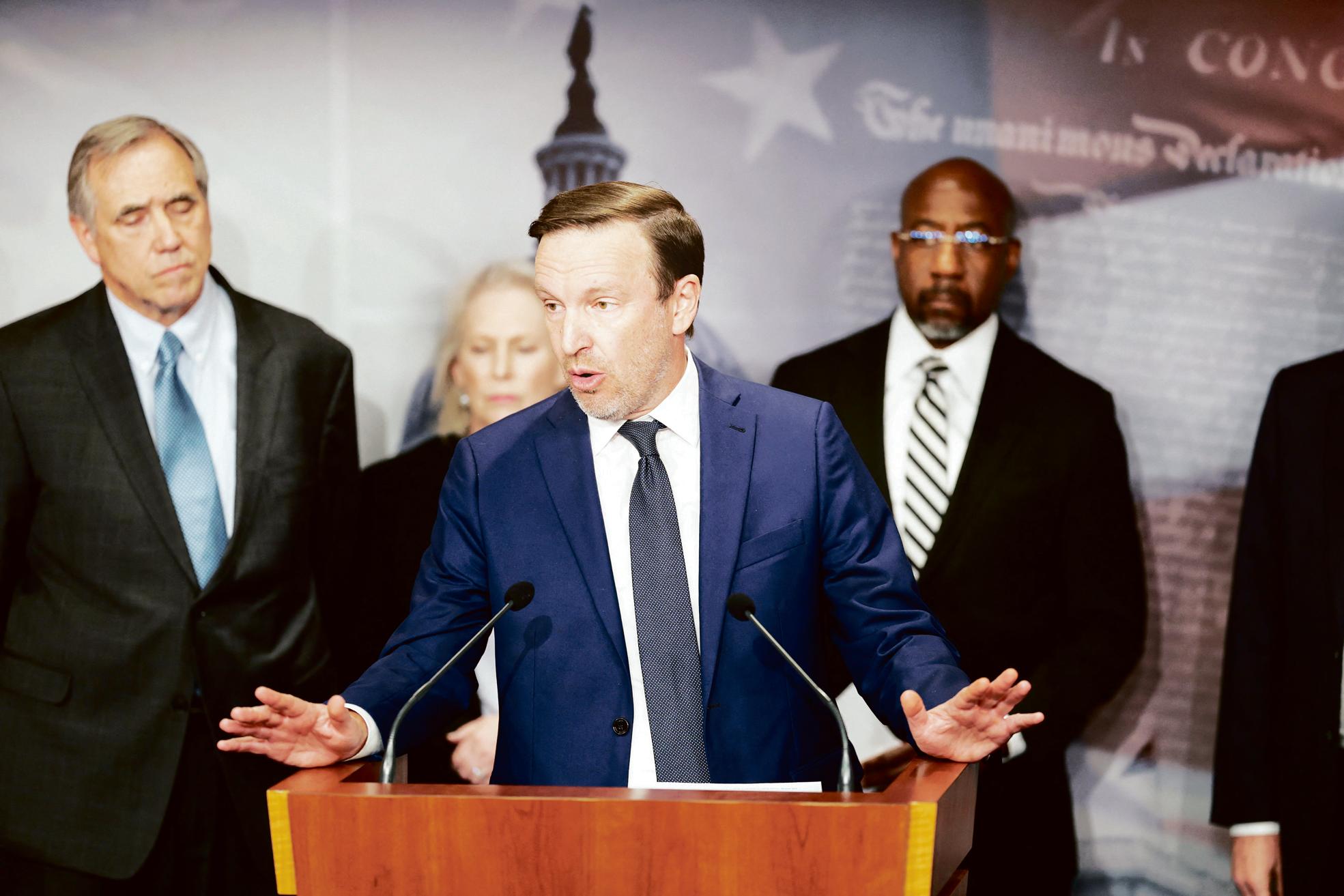
Al Khaleej said Trump told the New York Post that the United States was more inclined to go to Pakistan to hold talks with Iran, expressing dissatisfaction with reports that Washington had asked Tehran to suspend uranium enrichment for 20 years.
It also reported that Reuters sources said the negotiating teams could return to Islamabad this week to resume talks after the collapse of talks earlier in the week pushed the United States to impose a blockade on Iranian ports.
Al Khaleej quoted a senior Iranian official saying, “No specific date has been set, as negotiators kept Friday through Sunday open,” and it said Vice President J. D. Vance led the American delegation at the start of the week while the Iranian side was led by Parliament Speaker Mohammad Bagher Ghalibaf.
In a separate Reuters account carried by صوت بيروت إنترناشونال, Reuters said Pakistan was preparing to host the United States and Iran in the second phase of peace talks in Islamabad, and it reported that Iranian Foreign Minister Abbas Araghchi was expected to arrive “this evening, Friday.”
Stakes: shipping, casualties, and next steps
The stakes described across the reporting were tied to both humanitarian tolls and the operational impact of the blockade on shipping through the Strait of Hormuz.
“Friday, 7 Dhu al-Qa'dah 1447 AH – April 24, 2026 | English | Français | Arabic Shahid Programs: Our latest episodes online World News Reuters: Peace talks between Iran and the United States could resume in Pakistan Two hours ago Pakistan is preparing to host the United States and Iran in the second phase of peace talks in Islamabad”
The AP said that since the war began, “at least 3,375 people have been killed in Iran, and over 2,290 people in Lebanon,” and it linked the diplomatic efforts to the broader regional security and economic fallout from disrupted energy exports.
The Reuters account carried by صوت بيروت إنترناشونال said shipping data released today showed that “only five ships passed through the strait in the last 24 hours,” compared with “about 130 ships per day before the war,” and it added that “none of the giant crude tankers that typically feed global energy markets crossed.”
That same Reuters report said Iran had blockaded almost all ships except its own since the war began eight weeks ago, and it said this week Iran “showcased its control of the waterway by detaining two merchant ships.”
The BBC’s account reinforced the immediate risk environment by describing the mood as “combustible” and by noting that Islamabad was waiting for delegations while the hotel was empty.
Meanwhile, the Al Khaleej report said UN Secretary-General Antonio Guterres urged the United States and Iran to resume peace talks and to make a serious effort to reach a lasting settlement, quoting him: “there is no military solution to the current conflict in the Middle East.”
More on Iran

Trump Administration Sanctions Hengli Petrochemical And 40 Shippers Over Iranian Oil
16 sources compared

Iranian FM Abbas Araghchi Visits Pakistan as US-Iran Ceasefire Talks Stall
16 sources compared
U.S. Naval Blockade of Iranian Ports Pressures Tehran in Strait of Hormuz Standoff
14 sources compared
Iran Grants Russia Strait Of Hormuz Transit Fee Exemptions, Ambassador Kazem Jalali Says
16 sources compared