Israel And Lebanon Sign Framework Agreement To End Northern War As Hezbollah Rejects It
Key Takeaways
- Israel and Lebanon signed a framework to end northern conflict and withdraw from pilot areas.
- Lebanese Army pledged to implement the framework and redeploy forces in southern Lebanon.
- Ground implementation faces obstacles and stall, including protests by Hezbollah supporters in Beirut.
Framework agreement, Hezbollah absent
On June 26, Israel and Lebanon signed a framework agreement outlining principles for a final agreement, with its primary purpose described as ending the war on the northern front.
“Lebanon: The government and the army discuss preparations to implement the 'Framework Agreement' with Israel”
The Jerusalem Post says the agreement faces major challenges to lasting peace because Hezbollah is missing from the bilateral arrangement and has rejected it outright, backed by Iran.

The Jerusalem Post also frames the enforcement mechanism as unclear, describing a trilateral mechanism involving Israel, Lebanon, and the United States that does not specify who will determine whether Lebanon fulfilled its obligations.
In parallel, Anadolu Ajansı reports that Prime Minister Nawaf Salam and Army Commander Rodolph Haikal met at the Grand Serail in Beirut to discuss preparations to implement the framework agreement and begin Israel’s withdrawal from the pilot areas designated by the agreement.
Anadolu Ajansı adds that the agreement calls for a reciprocal and gradual path under specific conditions, with the Lebanese Armed Forces extending actual state sovereignty over all of Lebanon after verification of disarmament of non-state armed groups and dismantling of their infrastructure.
IDF vows, Lebanon protests
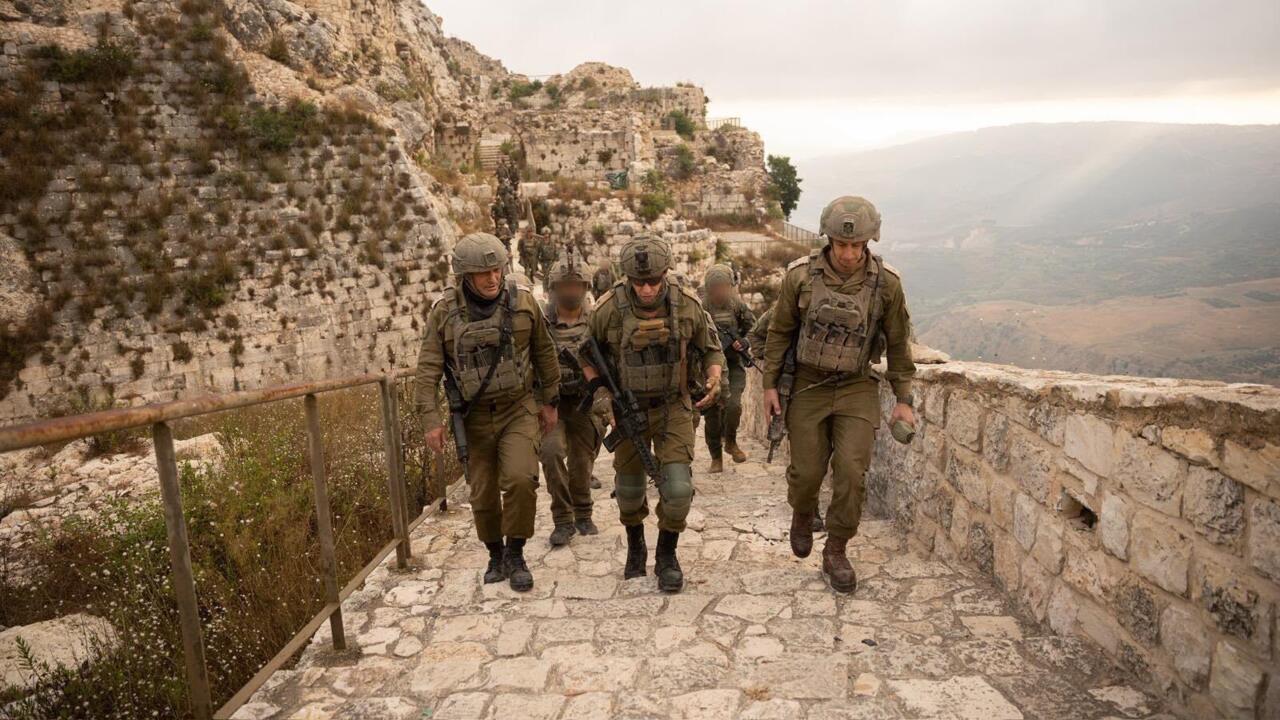
While the framework agreement enters an implementation phase, Macau Business reports that Israel’s military chief visited forces deployed around Beaufort castle in southern Lebanon on Sunday and Lieutenant General Eyal Zamir told soldiers that “The IDF will continue to operate decisively to remove threats from Lebanese territory.”
Macau Business also says Zamir warned that “any threat directed at our troops or the Israeli civilians will be struck immediately and eliminated,” and he linked the campaign to the framework agreement and its mechanisms.

The Jerusalem Post describes how Hezbollah’s rejection could lead to escalating internal tensions, continued fighting between Israel and Hezbollah, or successful efforts by the Lebanese Armed Forces to disarm Hezbollah in designated pilot areas.
Anadolu Ajansı reports that Lebanese President Jozef Aoun warned earlier on Monday that Israel’s continued obstinacy and failure to withdraw “undermines the state's legitimacy and prevents the deployment of the army and the achievement of a just and lasting peace” in the region.
In the same Anadolu Ajansı account, the agreement is described as not specifying a clear timetable for withdrawal from the two zones or from all of Lebanese territory, tying progress to the Lebanese army taking full security responsibility and disarming armed groups not affiliated with the state, in reference to Hezbollah.
Pilot zones, state legitimacy at risk
The stakes for Lebanon’s armed forces are laid out in Anadolu Ajansı, which says the Lebanese Armed Forces will gradually assume full and effective security responsibility in pilot areas from which the Israeli army withdraws in the south.
Anadolu Ajansı further states that the Lebanese army alone will assume full security responsibility in the areas being withdrawn from and disarm non-state armed groups, with particular reference to Hezbollah, while the agreement does not specify a timetable for the Israeli withdrawal.
L’Orient Today describes the Lebanese Army’s mission in the “pilot zones” as verifying the absence of Hezbollah missiles and military activities and ensuring no illegal armed presence remains before Israel withdraws from additional zones.
L’Orient Today says the army’s Chief Rodolph Haykal has come under criticism for refusing to use force against Hezbollah despite Cabinet directives to do so, and it links the test to Hezbollah leader Naim Qassem’s insistence that he rejects any disarmament north of the Litani River.
The Jerusalem Post concludes that the greatest obstacle may be “the ability of Lebanon’s current government and the armed forces to carry out the agreement,” tying implementation to the legitimacy of the political leadership in a fragmented society where the political mood could shift.
More on Lebanon

Israeli Drone Strike Kills Four, Including School Principal Esperanza Ghandour, In Nabatieh Al-Fawqa
27 sources compared

Netanyahu Claims Christian Villages Sought Annexation; Marjayoun Leaders Reject It
10 sources compared

IDF Targets Hezbollah Cell in Airstrike Near al-Aaqaide, Close to Nabatieh
10 sources compared

Syria Dispatches 7 Million Liters of Gasoline to Ease Fuel Demand Surge
13 sources compared