
Israel and US Launch Fourth Week of War on Iran
Key Takeaways
- War enters its fourth week of US-Israel strikes on Iran.
- Iran attacked Israel and U.S. bases in retaliation.
- Attacks target Iran's energy and weapons sectors, heightening regional and global tensions.
Conflict Escalation
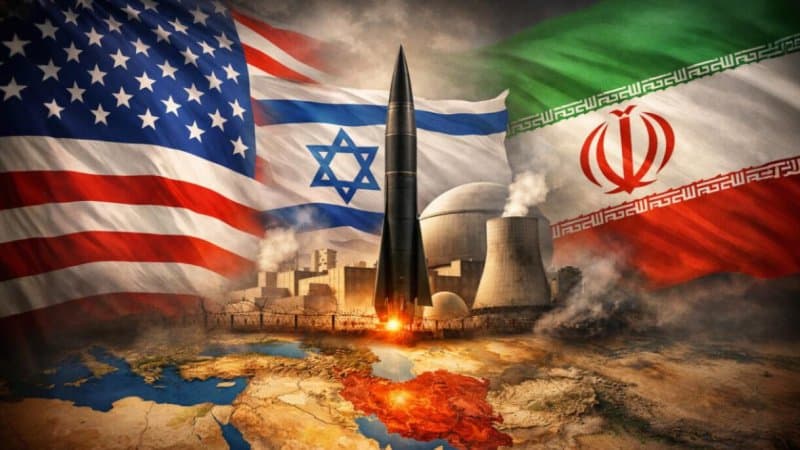
The US-Israeli war against Iran has entered its fourth week with intensified military operations and rising casualties across multiple fronts.
“The war launched by the United States and Israel on Iran has entered its fourth week, with more than 1,400 people reported killed in Iran”
The conflict, which began with coordinated strikes on February 28, has resulted in significant human losses.

Iran reporting at least 1,444 fatalities including 204 children, while Lebanon has seen over 1,001 deaths including 118 children.
Military engagements have escalated beyond proxy conflicts to direct state-to-state confrontations.
Iran launching its 70th wave of attacks against Israeli and US targets, including missile strikes on the US-UK military base Diego Garcia.
Repeated attacks on energy infrastructure across Gulf Arab states have characterized the recent phase of the conflict.
Energy Security
The strategic importance of the Strait of Hormuz has emerged as a central battleground in the conflict.
Iran threatening global energy infrastructure and the US considering military options to secure the vital waterway.

The strait, through which roughly 20% of the world's oil supply passes, has seen restricted access during the conflict.
This restriction has driven volatility in energy markets across the globe.
Iran has specifically warned against aggression from Gulf states and targeted energy facilities.
Including strikes on Kuwait's Mina al-Ahmadi refinery capable of processing 730,000 barrels of oil daily.
The US is reportedly considering plans to blockade or occupy Iran's strategic Kharg island.
This move could cripple Iran's economy but risk further escalation in the region.
US Strategy Shift
US President Donald Trump has signaled a potential shift in strategy, suggesting the administration is considering 'winding down' military operations against Iran.
“As the US-Israel war with Iran enters its fourth week, the Trump administration granted a temporary license for Iran to sell around 140 million barrels of crude oil to calm jittery markets”
Trump simultaneously rejected ceasefire agreements with Iranian officials.
Trump stated the US is 'getting very close to meeting our objectives' and outlined specific goals.
These objectives include the 'complete degradation of Iranian Missile Capability' and ensuring Iran 'never gets even close to Nuclear Capability.'
Trump's rhetoric about de-escalation contrasts with ongoing military deployments.
The US is reportedly sending an additional 2,200 to 2,500 Marines to the region.
Offensive operations against Iranian targets continue, including strikes on Tehran and nuclear facilities.
Israeli Escalation
Israel has significantly escalated its military campaign, particularly targeting Hezbollah in Lebanon and Iranian infrastructure.
These operations have resulted in devastating civilian casualties and infrastructure damage.

Israeli forces have stepped up airstrikes on the Lebanese capital Beirut.
They hit a health center that instantly killed 12 medical workers and seriously wounded one.
Four others were missing under rubble for hours following the attack.
The attacks have destroyed more than a dozen branches of Hezbollah's financial arm.
Infrastructure throughout Tehran has also been targeted by Israeli forces.
In occupied Palestine, missile fragments fell just 350 meters from the Al-Aqsa Mosque compound.
This caused extensive damage to the religiously important site.
Palestinian citizens of Israel have protested disparities in shelter access compared to other Israeli residents.
Gulf Defense
Gulf states have become increasingly active in defending against Iranian attacks.
“As the conflict involving the United States, Israel and Iran enters its fourth week, the situation has evolved into one of the most complex and far-reaching geopolitical crises in recent years”
Bahrain, Saudi Arabia, and Kuwait have been intercepting numerous missiles and drones targeting their territories.
Bahrain has destroyed a total of 143 missiles and 242 drones since Iranian attacks began on February 28.
Saudi forces reported shooting down at least 47 drones, including a concentrated barrage of 38 drones within just three hours.
Kuwait has announced it is actively 'dealing with hostile missile and drone attacks' after Iranian drones hit its Mina al-Ahmadi refinery.
Qatar has strongly condemned Israeli attacks on military facilities in southern Syria.
Qatar called these attacks a 'flagrant violation of sovereignty and international law'.
These actions reflect the complex diplomatic dynamics in the region.
Economic Measures
The conflict has triggered significant economic measures as the Trump administration attempts to stabilize global oil markets.
These efforts aim to maintain pressure on Iran while addressing economic fallout.
The US Treasury has granted a temporary license allowing Iran to sell approximately 140 million barrels of crude oil.
This oil comes from tankers stranded since the conflict began.
The represents enough oil to satisfy global demand for roughly a day and a half.
This move follows previous sanctions waivers on Russian oil.
The administration has waived sanctions to allow the sale of an additional 140 million barrels of Iranian oil.
Bringing total relief measures to 280 million barrels in an effort to increase supply.
These actions aim to ease price pressures on global markets affected by the conflict.
More on Iran
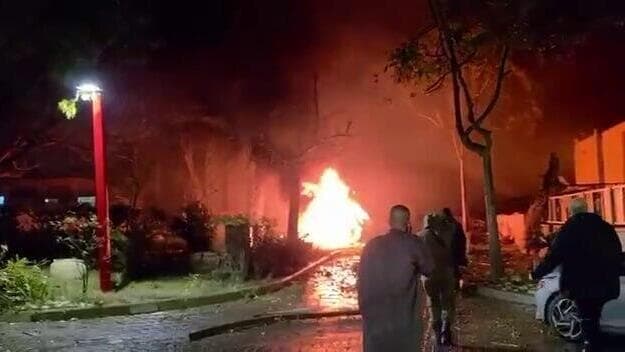
Iran Attacks Israeli Towns Dimona and Arad Near Israel's Main Nuclear Research Center, Dozens Wounded
43 sources compared
Iran Attacks Dimona in Retaliation for Natanz Strike
44 sources compared

Iran Attacks Diego Garcia with Long-Range Missiles, Targeting U.S.-UK Base
82 sources compared
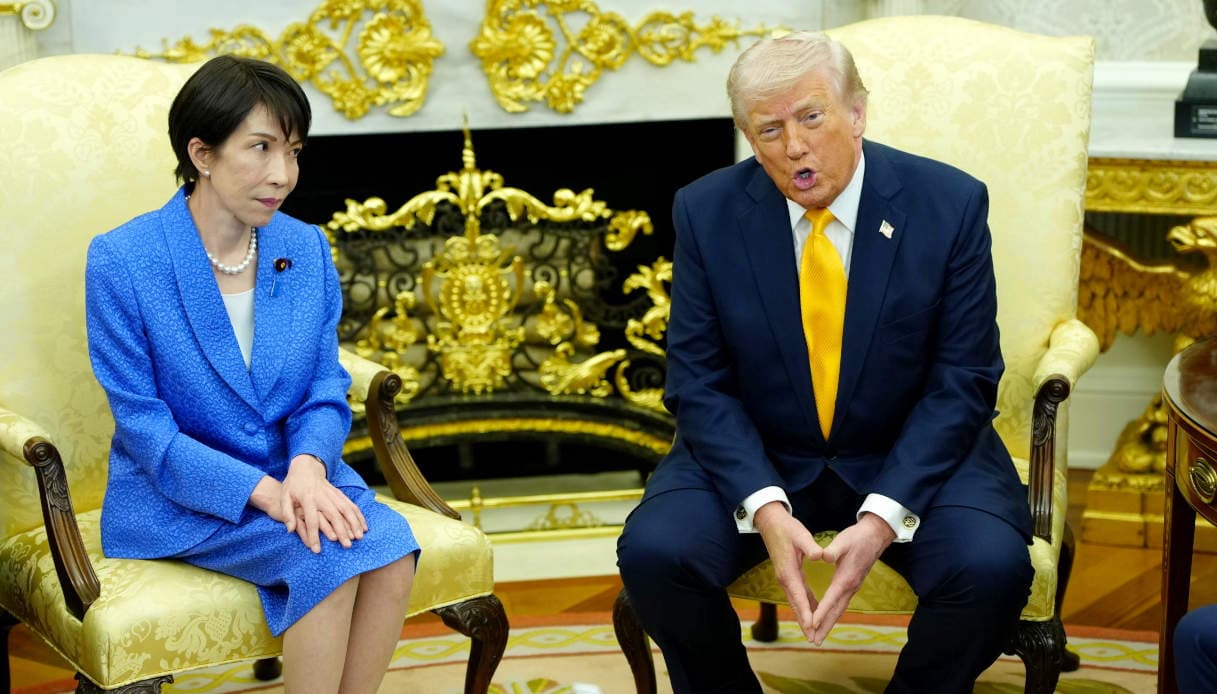
Trump Defends Iran War by Citing Pearl Harbor
12 sources compared