Lebanon02 May, 20268 min read
Israel Applies the Gaza Model in Southern Lebanon, Razes Towns and Villages Near Bint Jbeil
This article is an automated aggregation of coverage from news outlets. Our editorials offer in-depth analysis curated by the NewsCord team.
Israel establishes a Yellow Line in southern Lebanon, demarcating occupied areas. Ceasefire extended, yet Israeli strikes, demolitions, and occupation persist in southern Lebanon.
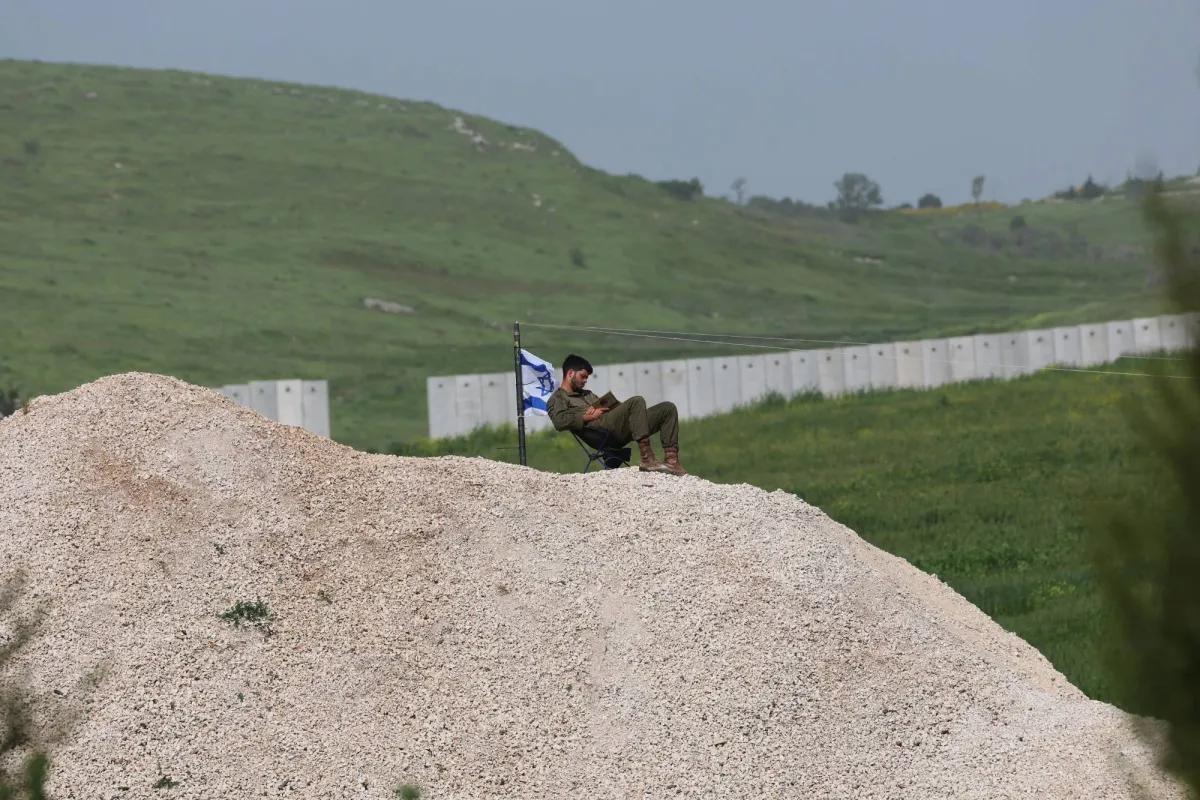
New York Times was read line by line by the Watchdog: 3.4. See the score →
Gaza model in Lebanon
Israel has been applying what it calls the “Gaza model” in southern Lebanon, with an Israeli ground offensive that has razed towns and villages near the border, including the Hezbollah stronghold town of Bint Jbeil. The New York Times describes an “entire street” leveled and “houses and shops” flattened, including “a popular cafe,” in what it calls repeated destruction across southern Lebanon nearly two months after Israel “relaunched its ground offensive in southern Lebanon.” The Times reports that Israel’s defense minister, Israel Katz, said the approach was “modeled on tactics the military used in Gaza, where the Israeli military reduced entire neighborhoods, buildings and streets to rubble.”
After the war between Israel and Hezbollah reignited in early March, the Times says Israel established a several-mile-deep “buffer zone” that it says it will continue to occupy until the threat from Hezbollah is contained. The New York Times also says Israeli strikes have killed “more than 2,600 people in Lebanon,” according to Lebanon’s health ministry, and that “More than a million people have been displaced.”

It adds that the fighting has continued despite a U.S.-mediated cease-fire that has been extended through mid-May, while the Israeli military says it is targeting infrastructure and positions belonging to Hezbollah. In parallel, Anadolu Ajansı frames the same policy as Israel “copies the Gaza model in southern Lebanon,” describing an Israeli army creating a “yellow line” just as in Gaza and continuing destruction and occupation of villages despite the ceasefire.
Buffer zones and the “Yellow Line”
Multiple outlets describe Israel’s effort to entrench a new on-the-ground reality in southern Lebanon through a “buffer zone” and a demarcation concept explicitly compared to Gaza. The New York Times says Israel established a several-mile-deep “buffer zone” after the war reignited in early March, and that Israel Katz’s stated approach was modeled on Gaza tactics that reduced neighborhoods and streets to rubble. Les Echos, meanwhile, says the Israeli army has created three “security zones,” including one “in southern Lebanon against Hezbollah,” and quotes Benjamin Netanyahu saying, “We have created three security zones deep inside foreign territory.”
Les Echos also reports that Israel Katz advocates a policy of wiping the slate clean, stating: “All buildings located in Lebanese border villages will be destroyed in the Rafah and Beit Hanoun model,” referencing two towns in the southern Gaza Strip devastated during the war launched after Hamas’s October 7, 2023 massacres. Several sources then converge on the “yellow line” concept as the operational mechanism for preventing returns and continuing activity during ceasefire.
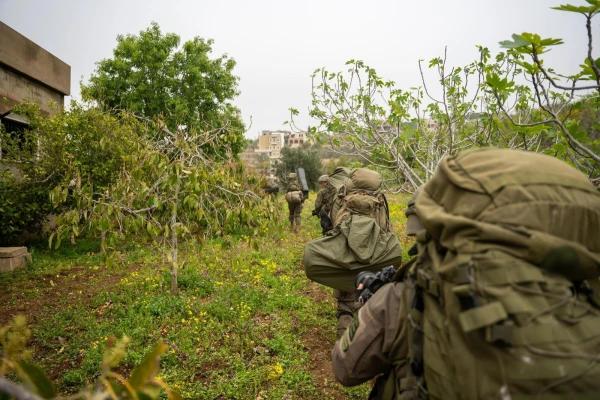
Al Jazeera Net says the Israeli occupation army continues aggression in southern Lebanon despite the ceasefire, focusing on demolishing residential blocks and forcing people to flee, and it describes Israeli airstrikes and demolitions in areas including Bint Jbeil and Qantara. Al Sharq Al-Awsat reports that Tel Aviv announced its intent to impose what it calls the “Yellow Line” in southern Lebanon to prevent residents from returning to dozens of villages, and it says the “Yellow Line” lies at distances ranging from a few kilometers up to about 10 kilometers from the border, including 55 Lebanese villages.
Voices: officials, witnesses, and investigators
The reporting includes direct statements from Israeli officials and from Lebanese and international voices describing the impact on civilians and the legal implications of destruction. The New York Times quotes Ramzi Kaiss of Human Rights Watch saying, “Deliberately and extensively destroying civilian objects or property, absent any military justification for wanton destruction, is a war crime.” It also quotes the Israeli military’s position that its troops were operating “in accordance with international law,” and that its directives permit demolition of structures used for Hezbollah’s military purposes or when “deemed operationally necessary.”
The New York Times also includes a statement from Israel Katz about the approach being modeled on Gaza tactics, and it quotes Nabil Sunbul, 67, saying, “I feel like I am going to break from anger and sadness,” after fleeing to Beirut with “only a few belongings.” Amnesty International’s Barbara Marcolini is quoted describing the destruction method, saying soldiers enter targeted structures to place explosives and then “pull the trigger from a safe distance,” and she is also quoted as a visual investigator with Amnesty International who previously worked for The Times. Les Echos includes a warning from Tamir Hayman, executive director of the Institute for National Security Studies and former head of military intelligence, saying, “The historical mistake would be to turn Israeli soldiers into sitting ducks in static outposts.”
Les Echos also quotes Orna Mizrahi, former deputy national security adviser, arguing that the only solution would be for southern Lebanon to be placed “under international supervision with American leadership,” warning that otherwise, “the buffer zone will eventually be reinfiltrated by Hezbollah.” In Al Jazeera Net, Colonel Nidal Abu Zaid, a military and strategic expert, describes Hezbollah’s reliance on “firepower attrition” through drones, explaining that Hezbollah drones rely on “glass fibers and wire-guided or fiber-optic guidance,” making interception by electronic warfare difficult.
How outlets frame the same policy
While multiple outlets describe similar operational steps—demolitions, displacement, and a “yellow line”—they frame the meaning and emphasis differently, from investigative documentation to policy analysis and advocacy critique. The New York Times centers on verified imagery and the scale of destruction, saying an analysis of satellite images, along with photos and videos “verified by The New York Times,” shows “Widespread demolitions” flattening “expanses of at least two dozen towns and villages near the border,” and it reports damage to “schools, hospitals and mosques.” It also highlights a specific example of infrastructure destruction, describing a video verified by the Times showing an excavator destroying solar panels near the village of Debl in late April, and it quotes the Israeli military’s statement that such actions “did not meet the standards it expected of its soldiers.”
Anadolu Ajansı, by contrast, presents the “yellow line” concept as an infographic-style claim that Israel “copies the Gaza model in southern Lebanon,” describing the Israeli army occupying “55 villages and towns in southern Lebanon” and creating a “yellow line” just as in Gaza. Les Echos frames the policy as a strategic evolution, explaining that the term “security zone” had been taboo for Israelis and recounting the 2000 evacuation of a so-called security zone “80 kilometers long and 20 kilometers deep south of Lebanon,” while also quoting Netanyahu and Israel Katz on the new approach. Al Jazeera Net frames the same developments as a question of whether Israel will “repeat Gaza’s model in Lebanon,” emphasizing demolitions of residential blocks, evacuation orders, and the continuation of operations despite ceasefire, including a Lebanese military source saying Israel occupied “about 600 square kilometers in the south.”

Al Sharq Al-Awsat frames it as an Israeli move to “entrench a new on-the-ground reality,” describing that Israel will prevent residents from returning to areas controlled by its forces and that military operations will continue inside it even during the ceasefire. Reporterre, a local Western outlet, uses a more direct moral framing, saying Israel wants to “render southern Lebanon uninhabitable,” and it quotes Israel Katz announcing that “All the houses in the Lebanese villages adjacent to the border with Israel will be demolished in line with the Rafah and Beit Hanoun model in Gaza.”
What comes next
The sources describe immediate next steps centered on continued Israeli operations during ceasefire, restrictions on returns, and the legal and political consequences of the “buffer zone” approach. The East Asian outlet Al Sharq Al-Awsat says the ten-day ceasefire agreement provides for cessation of hostilities to take effect as of April 16 for an initial ten-day period, with the possibility of extending the truce, and it says the agreement confirms Israel’s right to “self-defense at any time” against any imminent or ongoing attacks not bound by the ceasefire. It also says the agreement commits Israel to refrain from carrying out offensive military operations against targets inside Lebanon, while requiring the Lebanese government to take “concrete steps” to prevent Hezbollah and any other non-state armed groups from launching attacks against Israel.
Al Sharq Al-Awsat further reports that Tel Aviv announced it would impose the “Yellow Line” in southern Lebanon and that “Military officials also told CNN in a briefing that Israel will apply the 'Yellow Line' used in Gaza to Lebanon as well,” stressing it prevents Lebanese from returning to the 55 occupied villages. All Israel News, an Israeli outlet, says that despite the ceasefire taking effect, the Israeli army continued to strike Hezbollah forces deemed a threat and established the “Yellow Line,” stating that “Since the ceasefire took effect, the Israeli army soldiers stationed south of the Yellow Line” identified incidents and carried out “precise strikes.” It also says the ceasefire “does not prohibit forces present in the area from acting in self-defense,” and that “The Israeli army will not tolerate any harm to Israeli civilians or Israeli soldiers.”
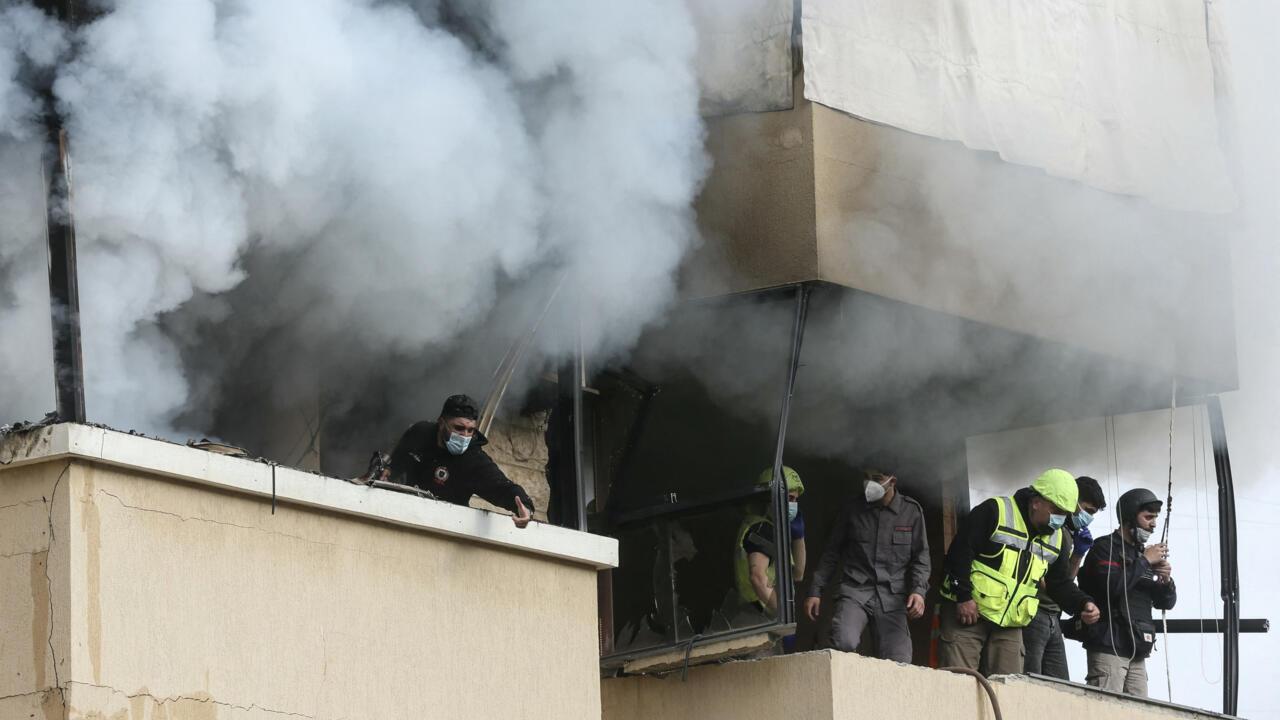
In Les Echos, Orna Mizrahi warns that without international supervision, “the buffer zone will eventually be reinfiltrated by Hezbollah,” while Tamir Hayman warns against static outposts that could turn Israeli soldiers into “sitting ducks.” The New York Times adds that legal experts and human rights activists say targeting civilian infrastructure or destroying it without valid military justification constitutes a war crime, and it quotes Ramzi Kaiss on “wanton destruction” as a war crime.