
Israel Attacks Iran as Gulf States Brace for Wider War
Key Takeaways
- Israel continues airstrikes on Iran amid regional escalation involving US and Gulf states.
- Egypt accelerates diplomacy as Iran-Israel-US war widens, Riyadh hosts broad Arab minister summit.
- Gulf states face direct attacks as Gulf diplomacy shifts toward unity, Tehran channels strained.
Israeli Escalation
Israel has escalated its military campaign against Iran with new airstrikes as Prime Minister Benjamin Netanyahu declared that Iran is on the verge of being 'decimated.'
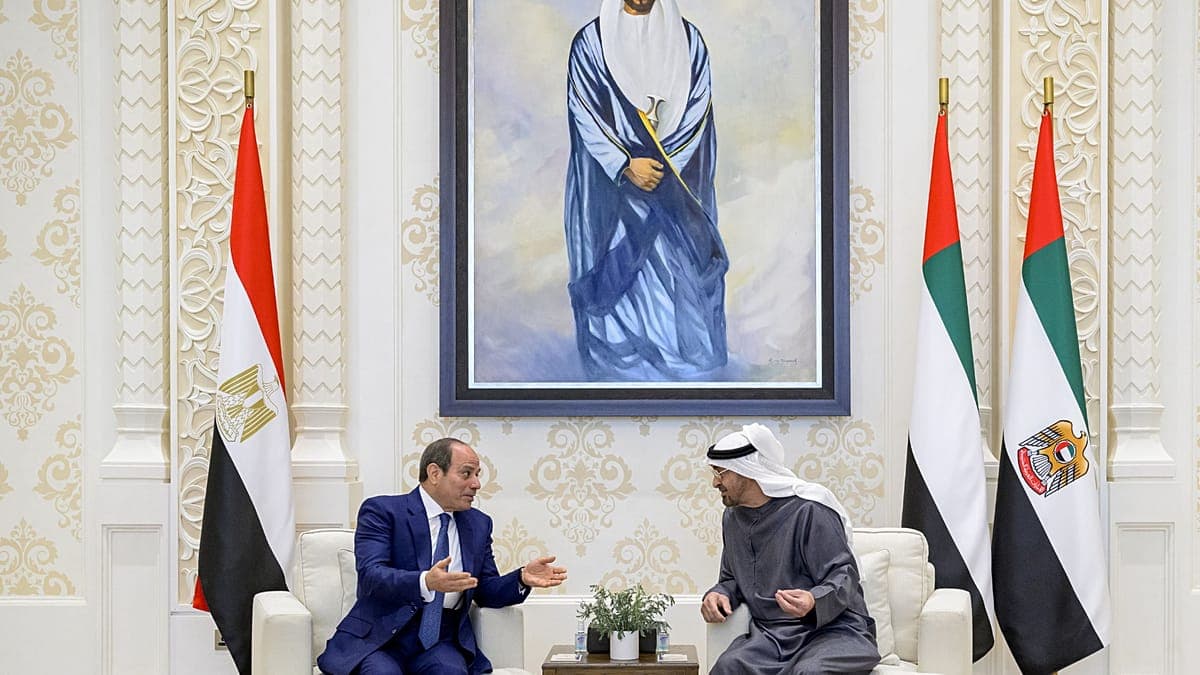
“Egypt’s recent outreach comes as countries across the region try to contain the fallout from the war, with Gulf states under attack and leaders trying to avoid a wider conflict”
During a televised press conference, Netanyahu asserted that 'We are winning and Iran is being decimated,' claiming that Tehran no longer possesses 'the capacity to enrich uranium' nor 'to produce ballistic missiles.'
The Israeli leader also predicted that 'this war will end much faster than people imagine,' though he provided no specific timeline for the conflict.
These remarks, made on the 21st day of the war, were perceived as reassuring and helped calm financial markets amid ongoing missile and drone attacks targeting Gulf countries across the region.
Gulf Coordination
The crisis has accelerated unprecedented regional coordination among Gulf states, with Qatar noting a significant shift in intra-Gulf dynamics where previous tensions are giving way to a more unified approach against shared threats.
Following Israel's brazen attack on Doha in September 2025, Arab Gulf states have taken swift measures to strengthen air defense coordination, revitalizing and expanding the GCC Unified Military Command.

Abdulaziz Alshaabani, a Saudi political analyst, explained that Saudi Arabia's recent diplomatic activity reflects broader regional recalibration efforts to contain escalation and prevent conflict expansion, with the objective extending beyond political alignment to conveying that regional stability is a collective responsibility.
Pakistan's participation in these coordination efforts has emphasized flexibility rather than formal strategic partnerships, highlighting Saudi Arabia's ability to mobilize broader Islamic partnerships when regional security comes under pressure without committing to rigid alliance structures.
Riyahd Diplomacy
A high-stakes diplomatic gathering in Riyadh brought together foreign ministers from more than a dozen Arab and Muslim nations to shape a collective stance on Iran's actions and regional security.
“As Gulf States Are Hit, Has Diplomacy With Iran Worked”
The meeting included representatives from Qatar, Azerbaijan, Bahrain, Egypt, Jordan, Kuwait, Lebanon, Pakistan, Saudi Arabia, Syria, Türkiye and the United Arab Emirates, demonstrating the wide-ranging impact of the conflict across the region.
In a carefully calibrated joint statement, the participating nations condemned Iran's recent attacks across the region, particularly strikes on critical infrastructure such as energy facilities and airports, while simultaneously stopping short of calling for retaliation.
The statement emphasized de-escalation and stability, signalling a collective desire to prevent the crisis from spiralling further despite describing the attacks as unacceptable and emphasizing that sovereignty of nations must be respected.
Balancing Criticism
The Riyadh meeting revealed a complex diplomatic balancing act, with participating nations adopting a clear but controlled criticism of Iran while avoiding complete diplomatic isolation.
Ministers described the attacks as unacceptable and emphasized that sovereignty must be respected and civilian infrastructure must not be targeted, yet stopped short of taking actions that would completely sever ties with Tehran.
This approach reflects recognition that dialogue remains essential to avoid a wider war, even as tensions continue to escalate.
Interestingly, the meeting addressed Israel's role in the conflict with considerable restraint - while some criticism was voiced over Israeli actions in the region, ministers largely avoided directly addressing Israel's strikes on Iran, choosing instead to maintain focus on immediate regional stability and de-escalation efforts.
Fragile Equilibrium
Regional analysts observe that Gulf states are navigating an increasingly fragile equilibrium as they transition from a diplomatic-only approach to one that combines dialogue with strengthened deterrence.
“Egypt’s recent outreach comes as countries across the region try to contain the fallout from the war, with Gulf states under attack and leaders trying to avoid a wider conflict”
The recent attacks on critical infrastructure and energy systems have demonstrated how interconnected Gulf economies are, particularly in areas such as gas production, oil exports, desalination and transport, with disruptions in one country quickly creating ripple effects across the region.
This has pushed Saudi rhetoric toward greater firmness, reflecting a stronger emphasis on deterrence, while simultaneously maintaining that this does not represent a complete abandonment of de-escalation but rather its integration with clearer messaging that any further escalation will carry consequences.
The central dilemma for Gulf states is no longer whether to engage or deter, but how to combine both without being drawn further into a widening conflict, as the margin for managing escalation without direct involvement continues to narrow amid ongoing attacks.
More on Iran

Iran Attacks Israeli Towns Dimona and Arad Near Israel's Main Nuclear Research Center, Dozens Wounded
43 sources compared
Iran Attacks Dimona in Retaliation for Natanz Strike
44 sources compared

Iran Attacks Diego Garcia with Long-Range Missiles, Targeting U.S.-UK Base
82 sources compared
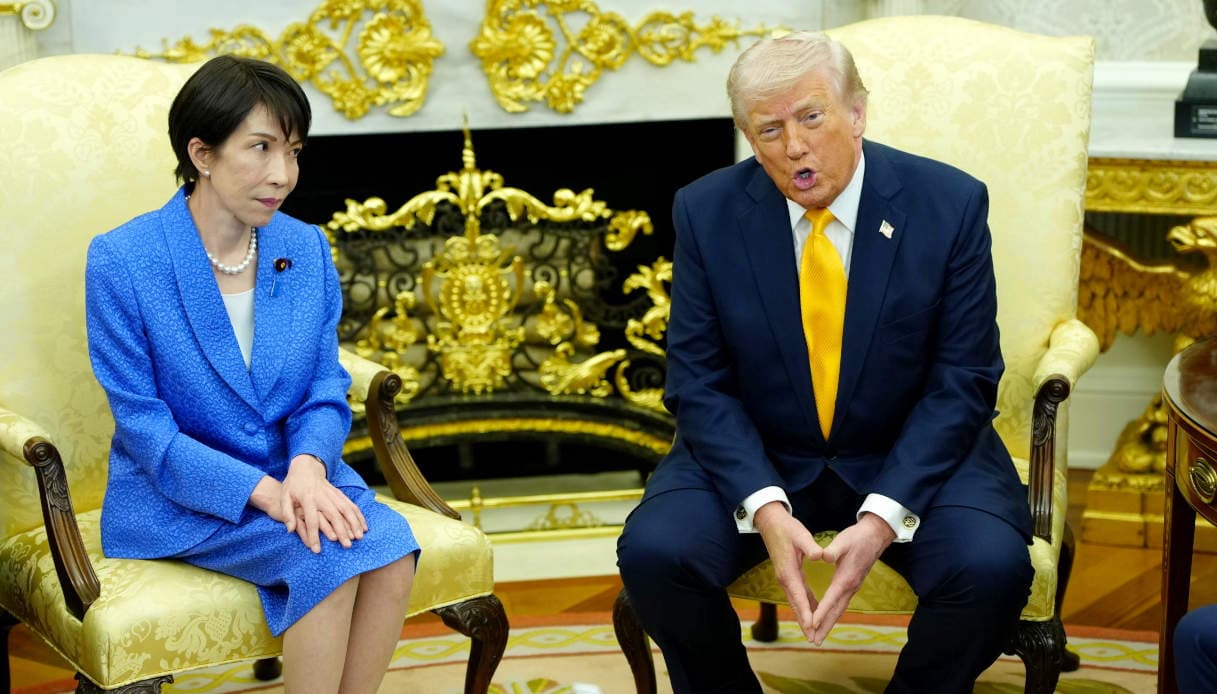
Trump Defends Iran War by Citing Pearl Harbor
12 sources compared