Full story
Posthumous sperm retrieval
In Israel, bereaved parents have increasingly sought to retrieve and freeze the sperm of deceased sons, a process that expanded after Hamas’s October 7 attacks, which killed about 1,200 people and 251 hostages in Gaza.
BBC reported that Avi Harush learned his 20-year-old son, Reef, had been killed in combat on April 6, 2024, in the southern Gaza Strip, and Harush recalled the military officers asking if the family was interested in retrieving Reef’s sperm.
The BBC also said that since October 7, sperm has been retrieved from nearly 170 young men—civilians and soldiers—according to the Israeli Health Ministry, with success rates higher if retrieval is performed within 24 hours of death.
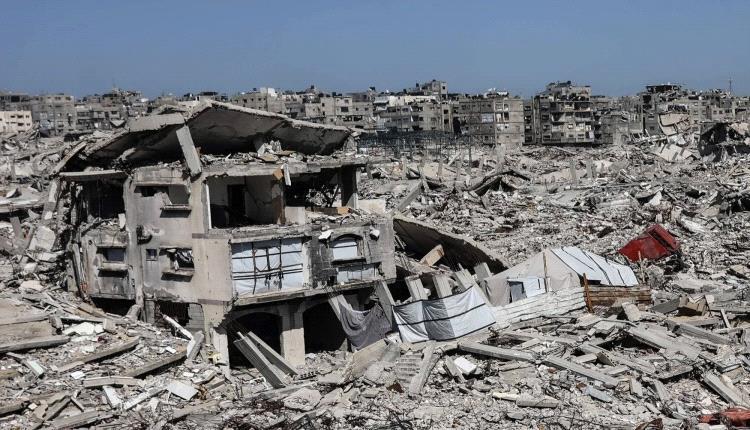
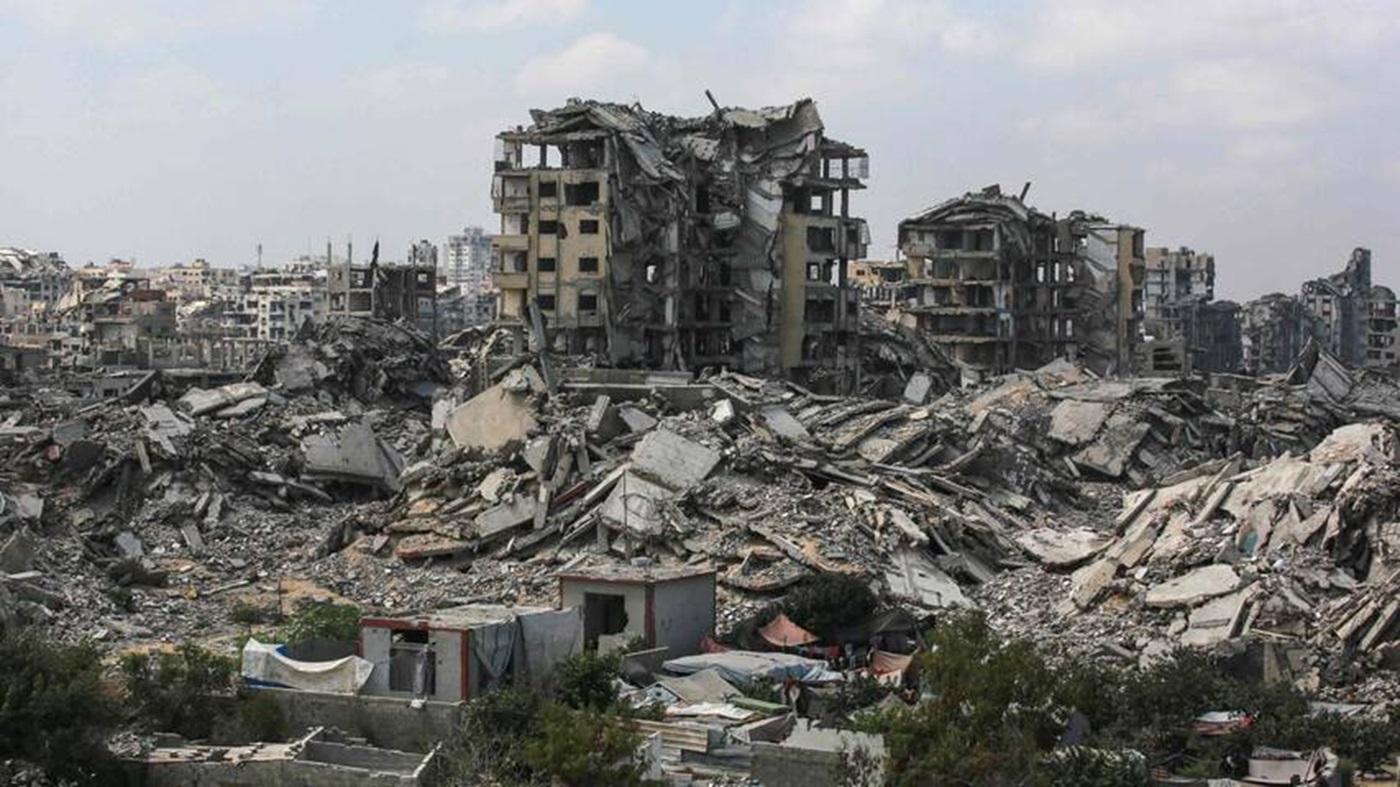
In the same period, the BBC said Israel launched a sweeping military operation in Gaza in response to October 7, during which more than 40,000 Palestinians have been killed, according to the Hamas-led Health Ministry, and about 400 Israelis have also been killed during the war.
The BBC described the procedure as involving making an incision in the testicle and taking a small piece of tissue, from which living sperm can be isolated in the lab and frozen, while also noting that some countries including France, Germany, and Sweden ban it outright.
Doctors lose nine children
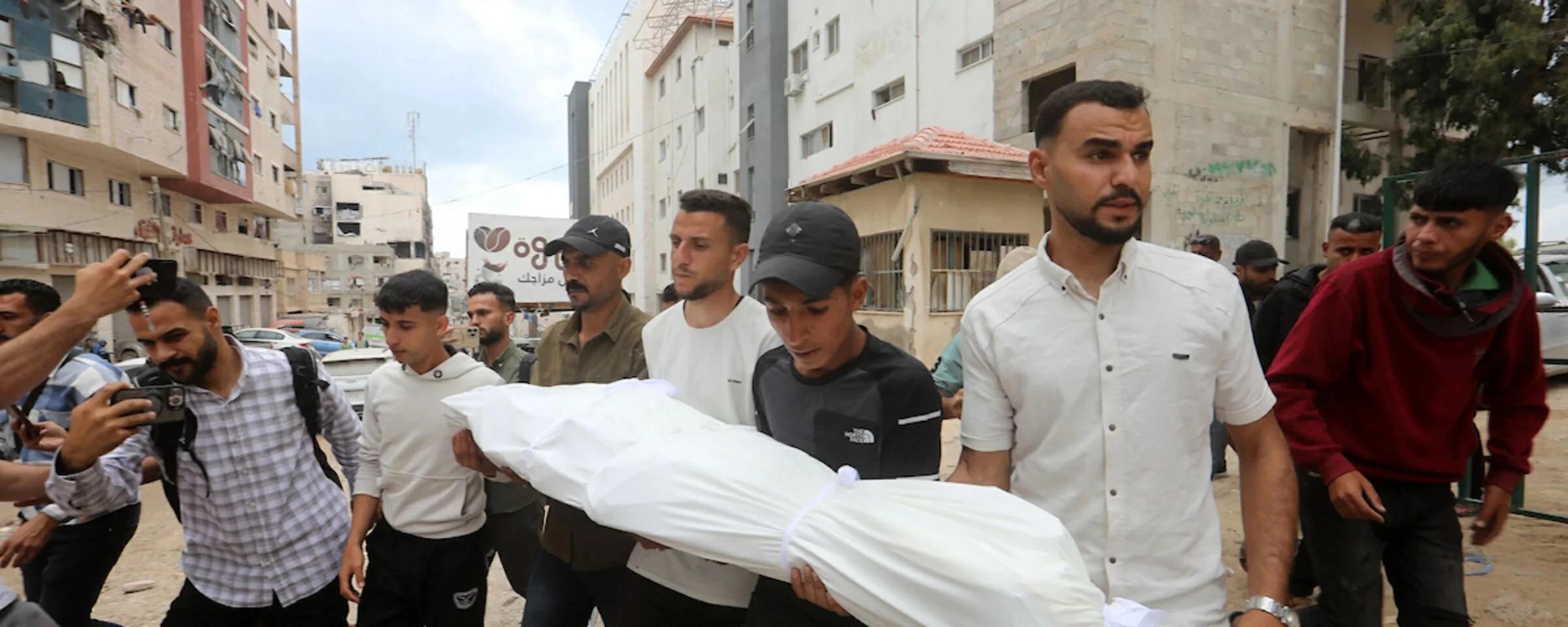
In Gaza, a French-language report from franceinfo described the al-Najjar family home being hit by two missile strikes, with nine children dying in the bombardment and the head of the family and one of the sons seriously injured and hospitalized.
The report said the Gaza Civil Defense announced on Saturday the deaths of nine children from a Palestinian doctor couple in Khan Younis, and it placed the events on Friday, May 23, in the southern Gaza Strip.

Ali al-Najjar, the uncle of the siblings, recounted on Al Araby television: "I arrived and found my nephew Adam lying on the ground, covered in blood," and he added, "My brother was on the ground, his head bleeding, his hand torn off, buried under the rubble."
The franceinfo account said pediatrician Alaa al-Najjar left Nasser Hospital abruptly after sensing a strike, and it reported that she began to cry when she saw the charred bodies.
It also said the Israeli army told AFP that one of its aircraft had "struck several individuals suspected of operating from a structure" near its soldiers in that area, while adding that "The claim regarding damage to civilians not involved is under review," it added.
Hostage bodies and ceasefire
In Gaza and Israel, Le Devoir reported that Israel accused Hamas of having killed the Bibas children Ariel and Kfir during their captivity in Gaza and of handing over the body of an unknown person in place of their mother Shiri Bibas.
Le Devoir quoted Avichay Adraee, the Israeli army spokesperson, saying: "Ariel and Kfir Bibas were brutally killed in captivity in November 2023 by Palestinian terrorists," and it said Hamas has maintained that Ariel and Kfir Bibas were killed in Israeli bombardments on Gaza.
The same report said the remains of four people were handed over on Thursday by Hamas to the International Committee of the Red Cross (ICRC) and then to the Israeli army, and it identified the fourth body as that of Oded Lifshitz, a former journalist aged 83 on the day of his capture during the Hamas attack on Israeli territory on October 7, 2023.
Le Devoir also described the first phase of the Gaza ceasefire agreement taking effect on January 19 after 15 months of a devastating war, and it said the agreement had already allowed the release of 19 Israeli hostages in exchange for more than 1,100 Palestinians held in Israeli prisons.
It further reported that on Saturday Hamas is scheduled to release six living hostages in exchange for Palestinian prisoners held, and it said the agreement provides, by the end of its first phase on March 1, for the release to Israel of a total of 33 hostages, including eight dead, in exchange for the release of 1,900 Palestinians held by Israel.