Gaza Genocide15 October, 20253 min read
Israel Blocks Aid Deliveries and Halts Rafah Crossing, Deepening Gaza Humanitarian Crisis
Israeli forces killed at least five Palestinians in Gaza despite a US-brokered ceasefire. Israel continues to block or severely restrict humanitarian aid deliveries through the Rafah crossing.
52 outlets told this the same way.
Outlets did split on Israel Marks Oct. 7 Anniversary With Strikes on Gaza, Netanyahu Faces Election After Nova Tribute →
Aid Restrictions at Gaza Crossings
Israel is blocking large volumes of aid and keeping the Rafah crossing shut for humanitarian shipments, deepening Gaza’s crisis. Israel halved the number of aid trucks it allows and postponed reopening Rafah after accusing Hamas of delaying the return of hostage bodies. Officials also restricted fuel and gas, citing the same pretext.
“COGAT clarified that humanitarian aid would not be allowed to pass through the Rafah crossing between Gaza and Egypt, a point never agreed upon.”
COGAT stated that aid would not pass through Rafah at all and that any reopening there would be for people only. Aid would continue—after Israeli inspections—through other crossings.
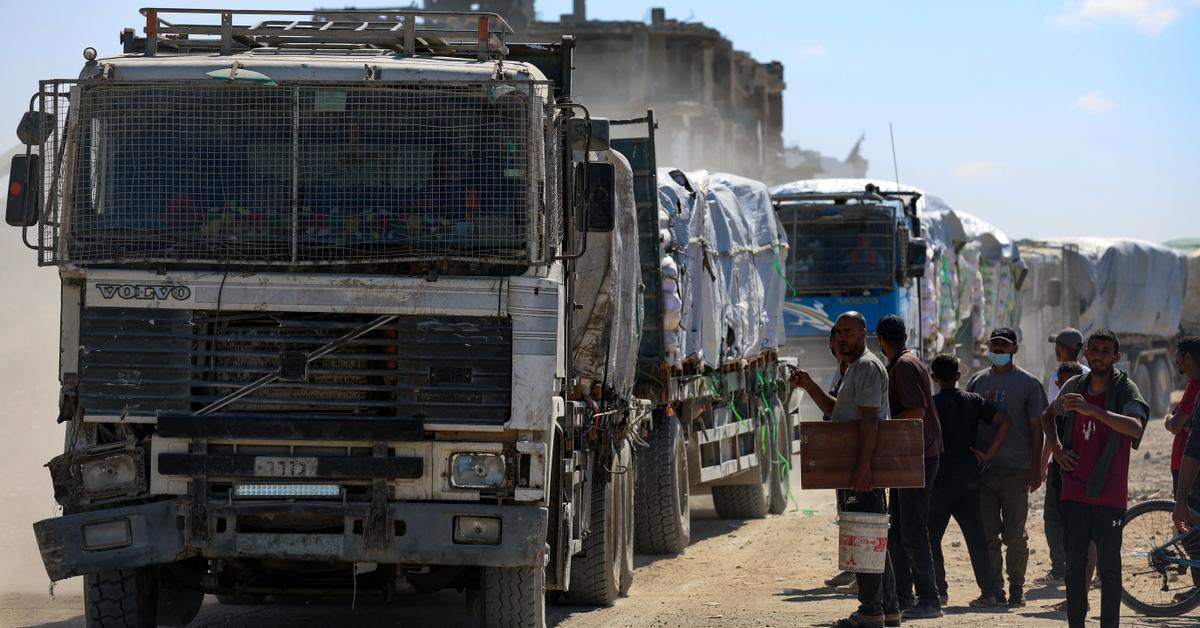
UN and aid officials are demanding Israel open additional crossings and remove obstacles so thousands of trucks can enter. They say current access is far below need.
Aid Blockade and Famine Concerns in Gaza
Humanitarian officials describe catastrophic need and accuse Israel of engineering starvation by sealing Gaza off from adequate aid. UN relief leaders urge Israel to open more crossings immediately to allow thousands of trucks and heavy machinery to enter. Currently, 190,000 metric tonnes of assistance are stuck at borders while Israel blocks Rafah and restricts flows elsewhere.
Multiple outlets report the UN’s famine declaration in Gaza, which Israel disputes. Aid groups add that deliveries remain far below what is required and that bureaucratic and inspection hurdles are choking the pipeline. Some mainstream reports note aid entering via other crossings, but West Asian and Asian outlets emphasize that the volume is nowhere near enough to stave off famine conditions.
Violence During Gaza Ceasefire
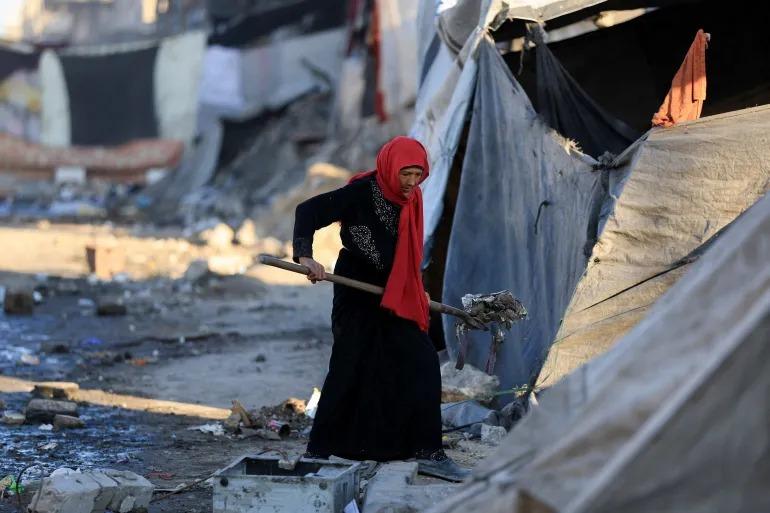
Even under the ceasefire, Israeli forces are killing Palestinians and enforcing a shoot-to-kill ‘yellow line’ around their positions. Israeli troops and drones have killed civilians inspecting their homes in Gaza City’s Shujaiya and people near Khan Younis.
“Israeli forces killed at least seven Palestinians in the Gaza Strip on Tuesday, violating a ceasefire... five in an Israeli aerial attack on the Shujaiya neighborhood, and one in a drone strike near Khan Younis.”
Multiple reports describe five to nine Palestinians killed in single incidents, with Israel admitting it opened fire at people who approached its lines. Alternative and West Asian outlets call these killings ceasefire violations, while Israeli and some Western sources repeat the army’s claim that Palestinians crossed a redeployment line.
Aid Conditionality and Hostage Remains
Israel is openly tying humanitarian access and Rafah’s status to the return of hostage remains by Hamas. Far-right ministers in Israel are threatening to cut off aid as part of this strategy. Reported counts of remains handed over vary between seven, eight, or nine.
In addition, Israel returned around 90 Palestinian bodies. Haaretz reports that US and Israeli advisers have made reconstruction funding and aid contingent on recovering Israeli bodies. International teams have even been deployed to assist in this effort.
The International Committee of the Red Cross warns that retrieving remains from Gaza’s rubble will be slow and uncertain. This conditionality has already produced immediate penalties. Israel has halved the number of aid trucks allowed into Gaza.
Cargo has been restricted to United Nations and non-governmental organizations. Fuel and gas supplies have been blocked for most uses.
Reports on Gaza Conflict Allegations
Multiple outlets, including UN-cited reporting, describe the Gaza war as genocide and document Israel’s mass killing of Palestinians alongside starvation used as a weapon. Democracy Now! reports the UN and rights groups have criticized Israel’s two‑year assault as genocide. Countercurrents says a UN inquiry accused Israel of genocide.
“Human rights groups and a UN inquiry have accused Israel of genocide in Gaza.”
Telecinco says the UN labeled the war as genocide while counting roughly 67,900 Palestinians killed. The National argues calling this “peace” is offensive and urges sanctions, divestment, and boycott until occupation, apartheid, and alleged genocide end. Mainstream reports largely avoid the genocide label but still detail famine declarations and systematic aid obstruction that humanitarian leaders say Israel must end immediately.