
Full story
Phone call before strike
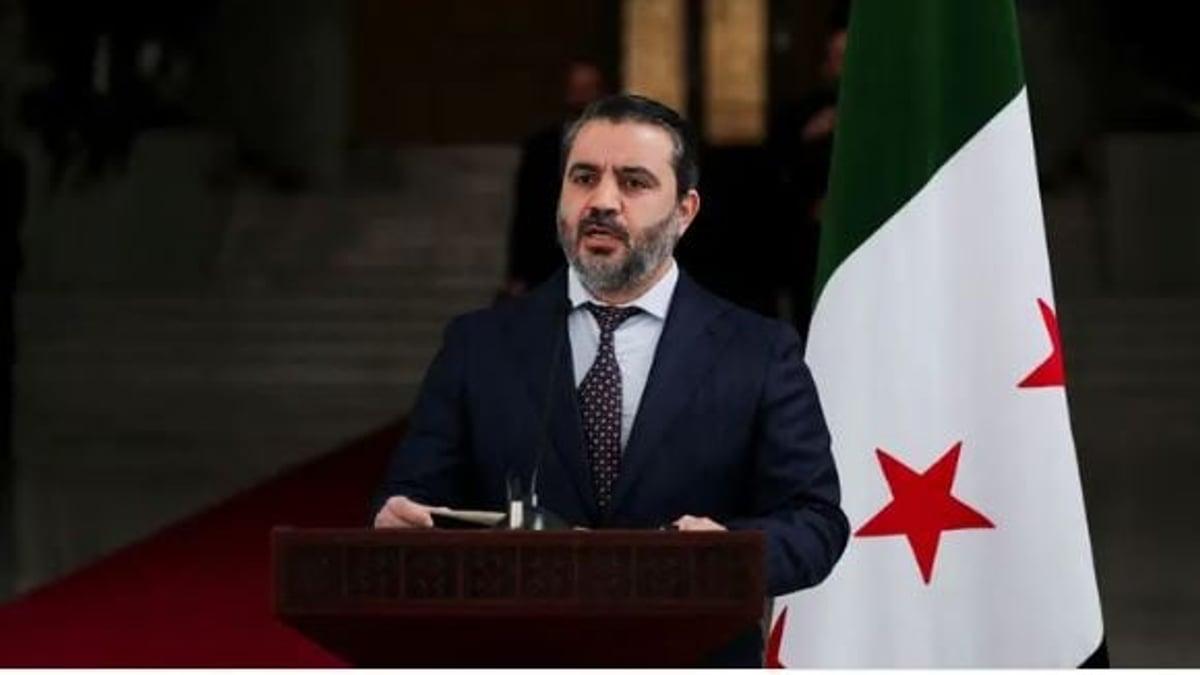
On August 14, the head of Israel’s Mossad, Romen Goufman, spoke by phone with Syrian Foreign Minister Asad Al-Shaibani in Damascus about the Turkish military presence in Syria, according to three informed sources.
“Romen Goufman, spoke by phone with Syrian Foreign Minister Asad Al-Shaibani on August 14”
The call came just days before Israel carried out an airstrike targeting the Syrian Abu al-Duhur airbase, with the office of the Israeli prime minister handling Mossad inquiries not commenting and Turkey’s Ministry of Defense declining to comment.
In the aftermath, Israeli Prime Minister Benjamin Netanyahu said Israel would not accept a Turkish military presence in Syria that it views as a threat, adding that Israel had previously issued warnings on this matter.
The Turkish side rejected the allegations, and Washington sought to prevent escalation after Tom Barrack, the American ambassador to Turkey and the special envoy to Syria and Iraq, described the attacks as an “unnecessary escalation” that does not serve regional stability.
Barrack said the United States is working to establish a mechanism to prevent escalation between Israel, Turkey, and Syria, noting that Washington is already facilitating a mechanism for information exchange and dialogue among the three parties.
Turkey denies delegation
Turkey reaffirmed its commitment to protecting Syria and its territorial integrity while denying the presence of any Turkish military delegation at the Abu Abdohr al-Sharqi military airport that Israel struck early Tuesday in northwest Syria.
A Turkish Defense Ministry official told reporters that no Turkish military delegation was present at the airport before or during the Israeli attack, and Defense Ministry spokesperson Zaki Akturk stressed that the attacks on Abu al-Duhur Airport target Syria’s stability and territorial integrity.
Israel’s Prime Minister Benjamin Netanyahu said on Wednesday that Israel has sent a clear message to Turkey not to establish military bases in Syria, arguing that Turkish military presence in southern Syria poses a threat to Israel’s security.
Israel’s Defense Minister Yoav Galant warned Turkey of “dangerous adventures” in Syria, writing on X that it would be best for Turkish President Recep Tayyip Erdogan to keep his remarks within the Turkish parliament rather than test Israel’s resolve.
In parallel, the U.S. special envoy Tom Barrack told Reuters in a phone interview on Tuesday that Washington is working to establish a mechanism to avoid a clash between Israel, Turkey, and Syria, saying “Fortunately, calm heads prevented the situation from deteriorating further.”
Message, sovereignty, and risk
Analysts quoted by Al Jazeera said the Tuesday air strikes on an airbase in northwest Syria were a message not just to Damascus but also to Turkiye, with Kheder Khaddour telling the outlet that “Bombing an airbase means the Israeli army doesn’t want the new Syria to have any sort of air force in the coming years.”
““Bombing an airbase means the Israeli army doesn’t want the new Syria to have any sort of air force in the coming years,””
Al Jazeera also reported that Syria’s Foreign Minister Asaad al-Shaibani told Axios on Wednesday that there was no Turkish military build-up at the base, explaining that the facility was largely empty, and he said there was “no intention to establish a Turkish base there, nor to establish a permanent Turkish military presence or deploy Turkish forces at the site.”
The dispute over sovereignty and security arrangements was reflected in Damascus’s condemnation of the raids as an “unwarranted aggression and a flagrant violation of Syria’s sovereignty and territorial integrity,” and in the Syrian government’s letters to the United Nations and the Security Council warning that continued Israeli assaults hinder stability efforts and threaten further tension.
Al Jazeera Net reported that Hussein al-Sheikh, father of Syrian President al-Assad, confirmed on his Facebook account that the ongoing Israeli aggression targets Syria’s stability, prevents its recovery, and deprives it of its military capabilities.
With both sides exchanging threats and denials, the sources described a risk of escalation that Washington is trying to contain through a mechanism for information exchange and dialogue among Israel, Turkey, and Syria.