Yemen25 September, 20252 min read
Israel Conducts Largest Airstrikes on Houthi Targets in Yemen's Sanaa After Drone Attack
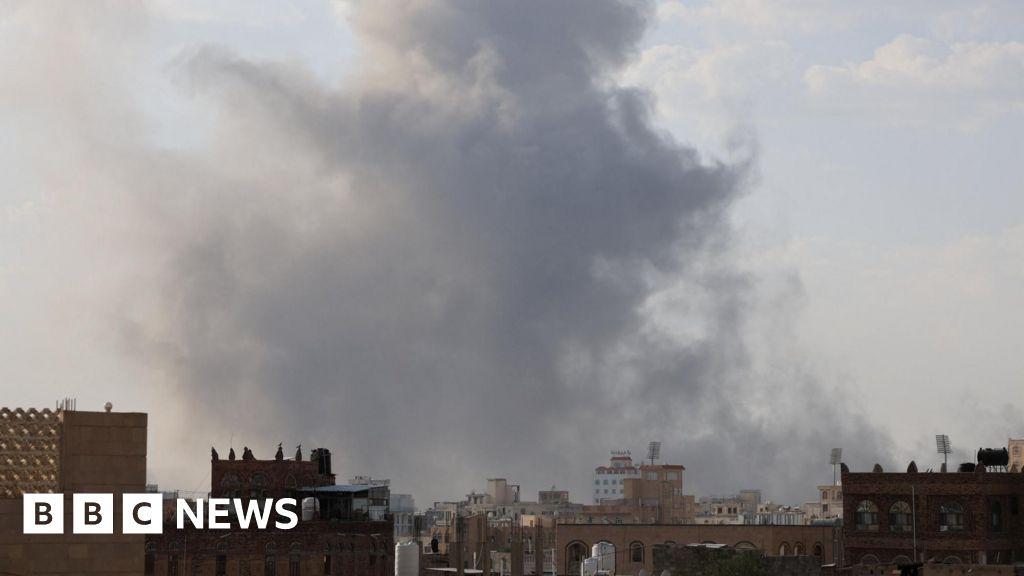
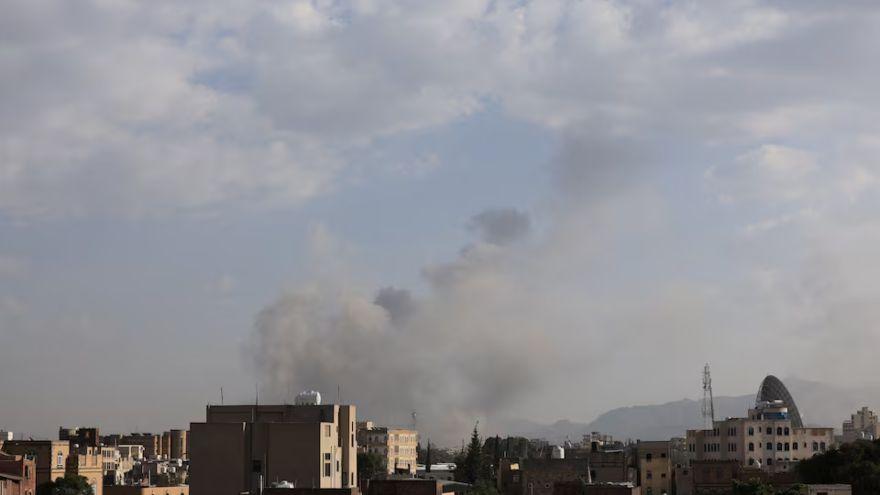
Israel conducted large-scale airstrikes targeting multiple Houthi military and intelligence sites in Sanaa. The airstrikes were a direct retaliation for a Houthi drone attack on Israel’s southern city of Eilat.
17 outlets told this the same way.
Israel's Military Response in Yemen
Israel launched a significant military operation against Houthi targets in Yemen's capital, Sanaa, following a drone attack on the Israeli city of Eilat. The Israeli Defense Forces (IDF) targeted key Houthi military installations, including the General Staff Command headquarters, security and intelligence compounds, and weapons storage facilities. This operation, described as one of Israel's largest in Yemen, involved over 15 aircraft and around 65 munitions.
“The Israeli Defense Forces struck key Houthi sites including the General Staff Command headquarters, security and intelligence compounds, military public relations offices, and weapons and drone storage camps.”
The strikes were a direct response to a Houthi-claimed drone attack on a hotel in Eilat, which injured at least 20 people. Israeli Prime Minister Benjamin Netanyahu ordered the strikes while en route to the United Nations in New York, emphasizing Israel's commitment to retaliate forcefully against any aggression.
Israel-Houthi Conflict Escalation
The airstrikes have been described as a significant escalation in the ongoing conflict between Israel and the Houthi movement, which is supported by Iran. The Houthis have been targeting Israel with drones and missiles in support of Palestinians amid the Gaza conflict. The recent Israeli operation, named "Operation Pass the Parcel," aimed to dismantle Houthi military capabilities and deter future attacks.
Israeli Defense Minister Israel Katz stated that the strikes were a powerful response to Houthi aggression, reinforcing Israel's policy of retaliating "twice as hard" against any harm. The operation also coincided with a speech by Houthi leader Abdul-Malik al-Houthi, further highlighting the regional tensions.

Houthis' Role in Yemen Conflict
The Houthis, who control northern Yemen, have been in conflict with the Yemeni government since 2004. The situation intensified significantly starting in 2014. The group, supported by Iran, has frequently launched attacks against Israel.
“The article reports on escalating tensions between Israel and the Houthi movement in Yemen, marking a dangerous expansion of the Gaza conflict into a broader regional confrontation.”
They align themselves with a so-called "axis of resistance" opposing Israeli actions in Gaza. A recent drone attack on Eilat and the subsequent Israeli airstrikes represent a dangerous expansion of the Gaza conflict into a wider regional confrontation.
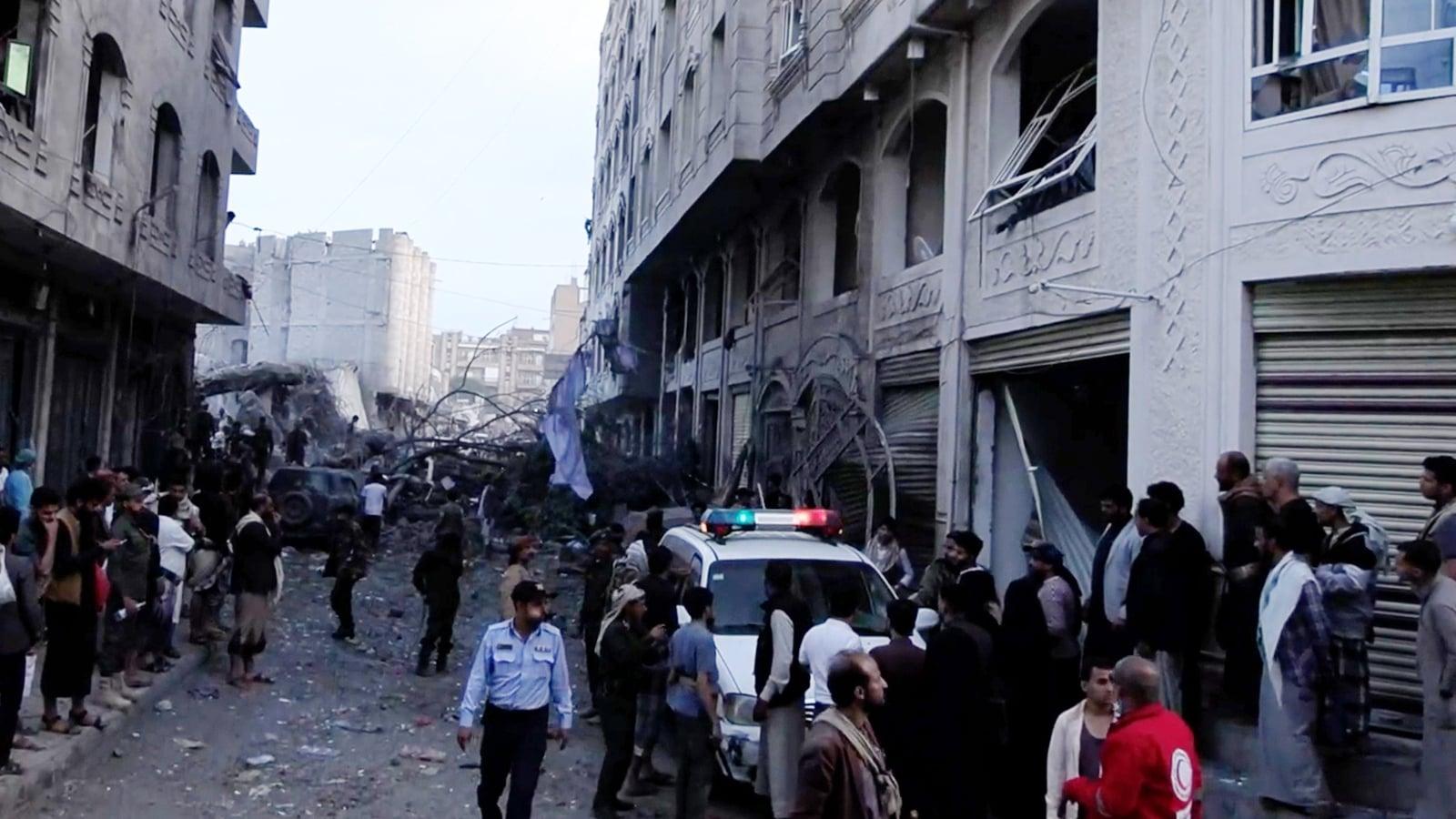
The Houthis have condemned the Israeli strikes as acts of aggression. They claim these strikes targeted civilian areas and caused significant casualties.
Conflict and Regional Impact
The international community has expressed concern over the escalating violence and its potential impact on regional stability. Despite calls for peace, the conflict between Israel and the Houthis continues to intensify, with both sides engaging in a cycle of attacks and counterattacks.
The recent Israeli airstrikes have been described as a significant blow to Houthi military infrastructure, but they also risk further destabilizing the region. The ongoing hostilities have implications for international shipping lanes and could potentially draw in other regional actors, further complicating the situation.