Gaza Genocide29 September, 20252 min read
Israel Continues Genocide in Gaza as Trump Unveils Controversial Peace Plan
This article is an automated aggregation of coverage from news outlets. Our editorials offer in-depth analysis curated by the NewsCord team.
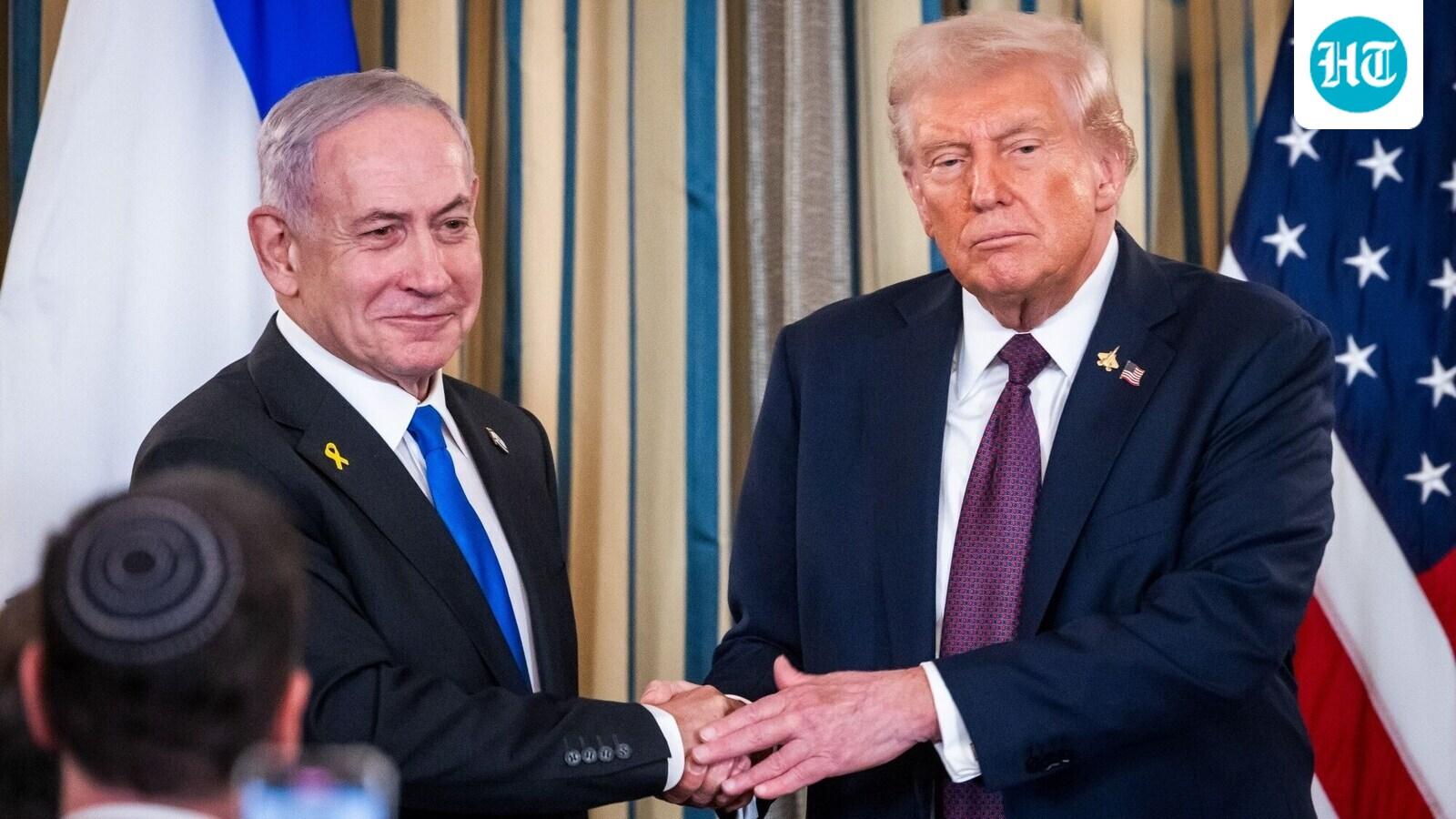
US President Trump and Israeli Prime Minister Netanyahu unveiled a 20-point Gaza peace plan. The plan demands an immediate ceasefire, hostage release, and international aid delivery to Gaza.
27 outlets told this the same way.
Outlets did split on Israel Marks Oct. 7 Anniversary With Strikes on Gaza, Netanyahu Faces Election After Nova Tribute →
Controversial Middle East Peace Plan
The recent unveiling of a controversial peace plan by former U.S. President Donald Trump has sparked significant debate and criticism.
“Palestinian groups reject the plan, criticizing its exclusion of their input and warning it may exacerbate regional tensions.”
This occurred particularly in the context of the ongoing genocide in Gaza.
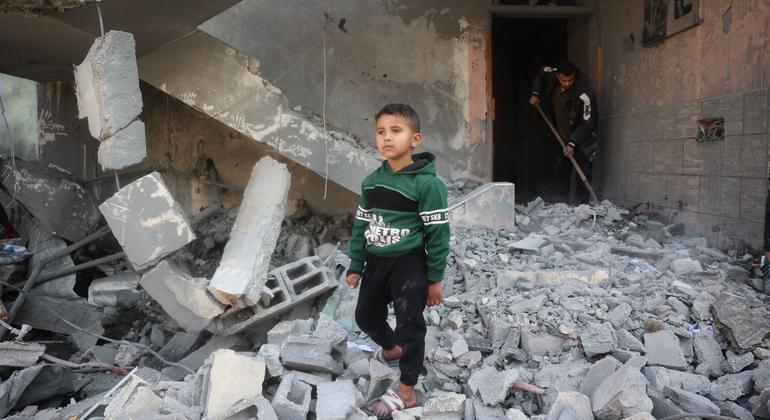
The plan was developed with input from Israeli officials and some Arab countries but notably excluded Palestinian participation.
It aims to halt hostilities between Israel and Gaza.
However, the plan has been criticized for its perceived bias towards Israeli security interests and marginalization of Palestinian rights.
The plan includes provisions for Palestinian self-determination and cessation of Israeli military assaults.
Key issues such as West Bank annexation remain unresolved.
Despite a ceasefire agreement in January 2025, Israel has repeatedly violated the terms.
Prime Minister Netanyahu is pursuing the destruction of Palestinian resistance rather than mere surrender.
Gaza Conflict and Humanitarian Crisis
The plan demands that Hamas disarm and excludes it from Gaza's future governance. Hamas officials strongly oppose the plan, insisting their armed wing is legitimate and will never surrender. Israeli Prime Minister Netanyahu supports the plan but has not formally approved it, awaiting Hamas' response.
Analysts suggest that if Hamas refuses, Israel will continue its military operations in Gaza. These operations have been characterized by indiscriminate bombing and killing of civilians.
The humanitarian crisis in Gaza is worsening, with reports of women being sexually exploited by local men. Some of these men are linked to aid groups and exploit women in exchange for basic necessities.
Global Reactions to Peace Plan
The international response to Trump's peace plan has been mixed. There is broad support from key global leaders and countries, including China, Pakistan, Italy, the UK, Saudi Arabia, Jordan, the UAE, Indonesia, Turkey, Qatar, Egypt, Germany, and the European Council. These nations emphasize the plan's potential to halt hostilities, secure humanitarian access, release hostages, and bring lasting peace and stability to the region.
“A new peace plan proposed by former U.S. President Donald Trump to end the conflict between Israel and Gaza has received broad international support.”
However, skepticism persists over the plan’s fairness and viability due to its perceived bias toward Israeli security interests and marginalization of Palestinian rights. The plan's lack of explicit mention of a two-state solution is seen as a concession to Israeli Prime Minister Netanyahu, who opposes Palestinian statehood moves.
Gaza Governance and Crisis Plan
The humanitarian situation in Gaza remains dire, with inadequate medical infrastructure and a catastrophic humanitarian crisis. The plan proposes an international transitional administration for Gaza, modeled on Bosnia and Kosovo, aiming to restore Palestinian self-governance and pave the way for a two-state solution. However, the plan's success depends on continued international commitment and overcoming significant political obstacles on both sides.
The risk of failure or partial implementation remains high despite the hopeful rhetoric surrounding the plan. Critics argue that the plan's exclusion of the militant group from governance and the demand for its disarmament are unrealistic and could exacerbate the situation.