Gaza Genocide19 October, 20252 min read
Israel Halts Gaza Aid and Launches Airstrikes After Palestinian Resistance Fires on Troops
Israel halted humanitarian aid to Gaza after Hamas fired on Israeli troops. Israeli airstrikes killed at least six Palestinians in central Gaza amid ceasefire breach.
20 outlets told this the same way.
Outlets did split on Israel Marks Oct. 7 Anniversary With Strikes on Gaza, Netanyahu Faces Election After Nova Tribute →
Conflict and Ceasefire Breach
Israel halted humanitarian aid into Gaza and carried out airstrikes after it said militants fired on Israeli troops in southern Gaza, killing two Israeli soldiers. Israel then bombed multiple areas and killed Palestinians across Gaza, with reported death tolls ranging from at least 9 to at least 29, including children and other civilians. The militant group denied responsibility for the attacks on troops, citing lost communications with units in Rafah.
“Israeli forces reported coming under fire from Hamas militants in southern Gaza, resulting in the deaths of two Israeli soldiers.”
Israel framed the shootings as a ceasefire violation and ordered strong military responses. Reporters and officials described this as the first major challenge to a U.S.-brokered ceasefire since October 10.

Aid Blockade and Hostage Dispute
Israel cut off food, medicine, and fuel and kept the Rafah crossing closed, tying any aid resumption to the return of hostage remains. Israel demanded all 28 bodies, while Hamas said some corpses are buried under rubble and need special equipment to recover. Reports varied on what Israel requires before easing the blockade: some accounts say Israel kept Rafah closed until Hamas returns the bodies of 16 hostages.
Other reports say Israel has allowed some aid back under strict conditions linked to hostage negotiations. Media also reported that Israel halted aid "until further notice."

Impact of Israeli Airstrikes
Israeli strikes targeted public and civilian areas. An Israeli drone strike killed at least six people near the Twix café in Al Zuweida as people gathered outside. Additional airstrikes injured people in the Nuseirat refugee camp near Al Ahli stadium.
“At least six Palestinians were killed and nine injured in an Israeli drone bombing near the Twix café in central Gaza... the Israeli Army conducted two more airstrikes in the Nuseirat refugee camp near Al Ahli stadium...”
Other reports mentioned attacks on a makeshift coffeehouse in Zawaida, a tent near the Al-Ahly soccer club in Nuseirat, and a tent in Khan Younis. Separate accounts stated that Israeli strikes killed civilians in shelters and residential areas. Children were among those who lost their lives.
Ceasefire Tensions and Responses
Both sides traded accusations over the ceasefire’s future as mediators pressed on.
The U.S. State Department warned of credible reports that Hamas might break the ceasefire, a claim Hamas rejected as propaganda.
Hamas also said it could not confirm some battlefield incidents because its Rafah units lost contact.
Netanyahu ordered strong military responses but did not threaten to restart full-scale war.
Egyptian officials continued trying to deescalate the situation.
Palestinian officials accused Israel of breaching the ceasefire by killing 11 civilians in Zeitoun with tank fire.
Media Coverage on Conflict Updates
Coverage also split on secondary developments.
“Israel approved legislation allowing the designation of certain criminal groups as terrorist organizations to enhance security measures.”
LaSexta reported Israel approved new legislation expanding terrorist designations and said the army targeted underground infrastructure used to hold hostages.
It also highlighted international reactions from Ukraine’s president and former U.S. President Trump.
El Nuevo Diario reported a police pursuit by Hamas of an alleged collaborator that involved reported Israeli participation.
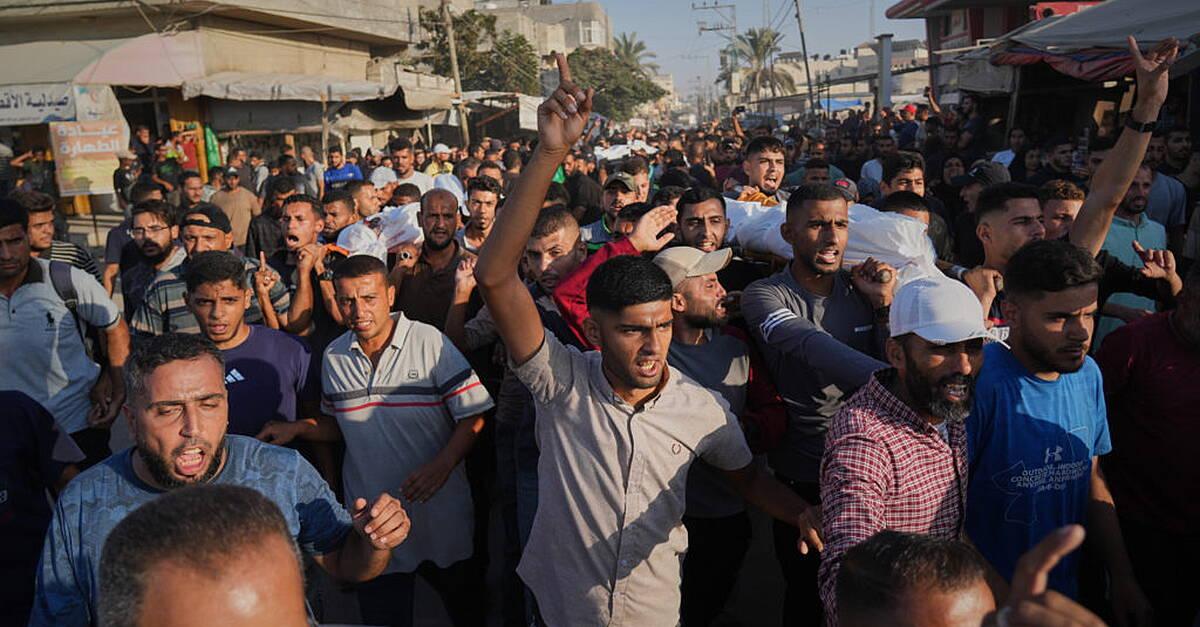
Other outlets focused on bodies and funerals.
Israel identified hostages’ remains and continued exchanging bodies with Hamas.
Families held funerals for returned hostages under the ceasefire terms.