Lebanon03 March, 20262 min read
Israel Invades Southern Lebanon, Sends Troops Deeper and Forces 30,000 From Their Homes
Israeli troops advanced into southern Lebanon, expanding a ground invasion and seizing new positions Israeli operations and evacuation orders displaced about 30,000 Lebanese civilians from southern areas
31 outlets told this the same way.
Outlets did split on Lebanon’s Judiciary Prepares To Apply General Amnesty Law No. 70, Judge Ahmed Rami Al-Hajj Says →
Israeli advance into Lebanon
Israel authorised an advance into southern Lebanon and pushed ground troops deeper into Lebanese territory in recent days. Several outlets report Defence Minister Israel Katz and Prime Minister Benjamin Netanyahu approved moves to seize additional positions, which one report described as part of an operation dubbed "Roaring Lion". The Israeli military reportedly advanced roughly a kilometre into Lebanese territory, taking positions near Kafr Kela, Yaroun and Al Qawzah to prevent Hezbollah strikes on border communities.
“Israel has authorised its military to advance into Lebanon and ‘take control of additional areas’ to prevent Hezbollah from using them to launch strikes on Israeli border communities, part of an operation dubbed Roaring Lion.”
Hezbollah-Israel strikes
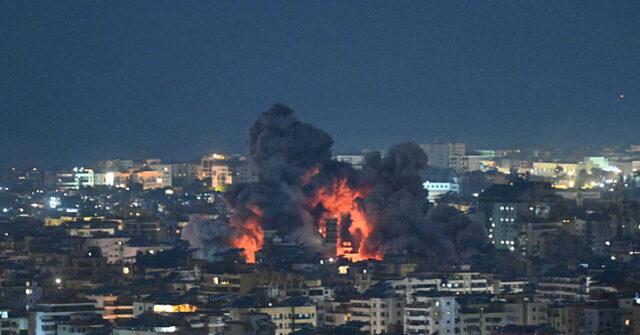
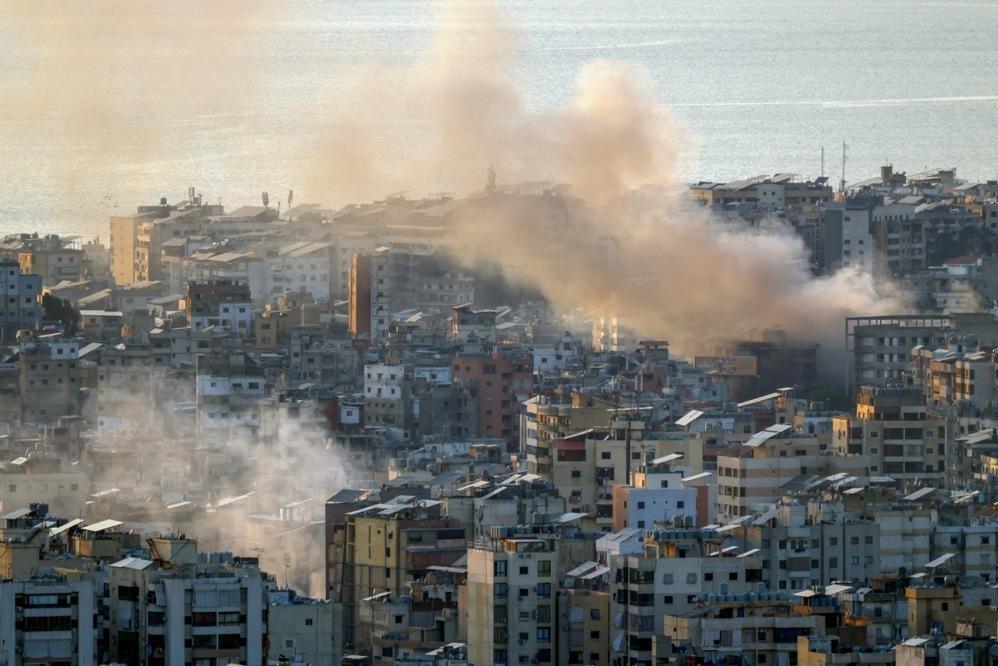
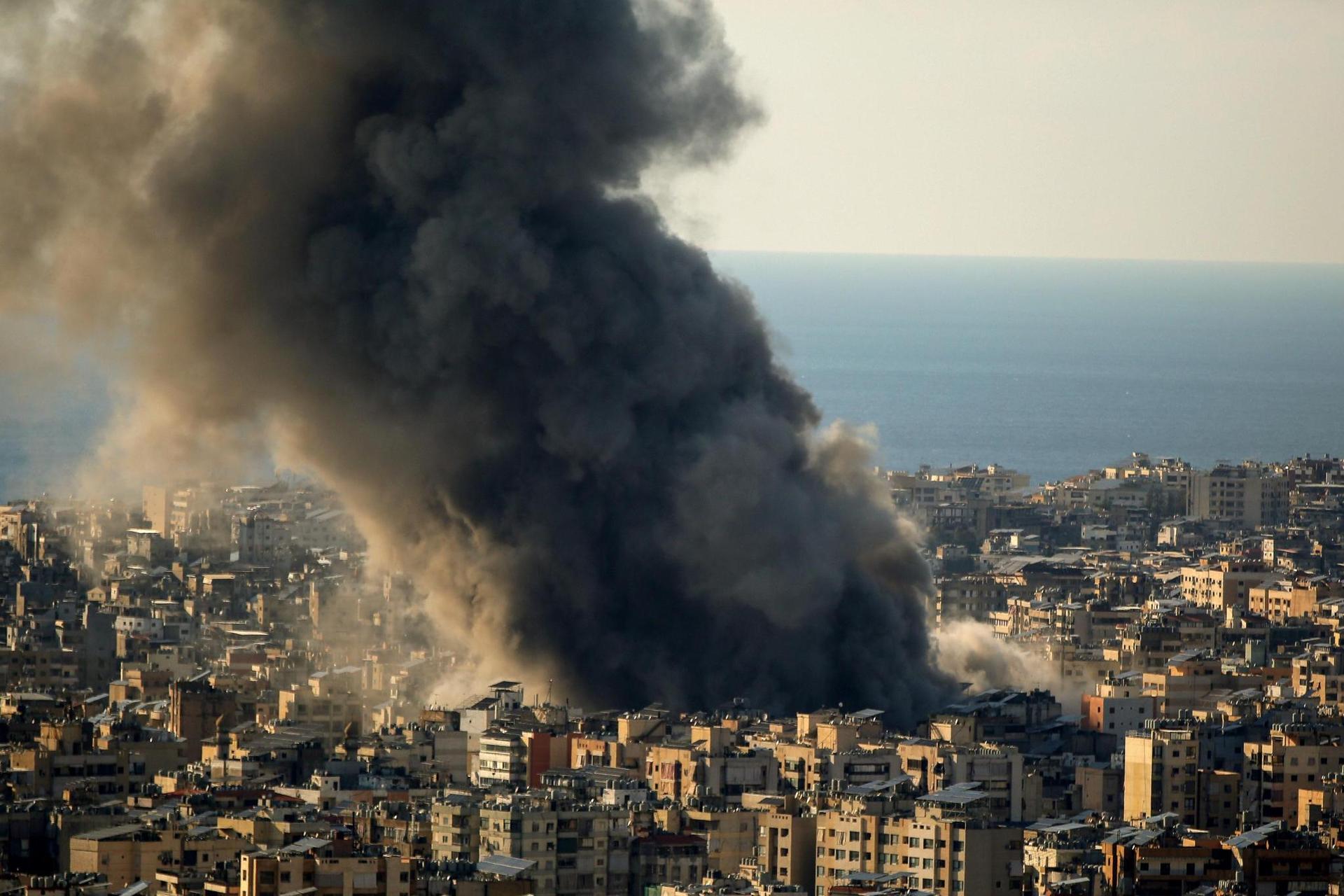
Hezbollah launched rockets and drones at northern Israel. Israeli forces responded with heavy airstrikes across southern Lebanon and Beirut’s southern suburbs (the Dahieh). Reports say Israel struck Hezbollah communications and intelligence infrastructure, elite Radwan forces and targeted media facilities.
Reported damage included Hezbollah’s television and radio building and strikes on the Al‑Nour radio outlet. Israeli officials said most Hezbollah rockets landed in sea or open areas and some incoming projectiles and drones were intercepted.
Displacement in Lebanon
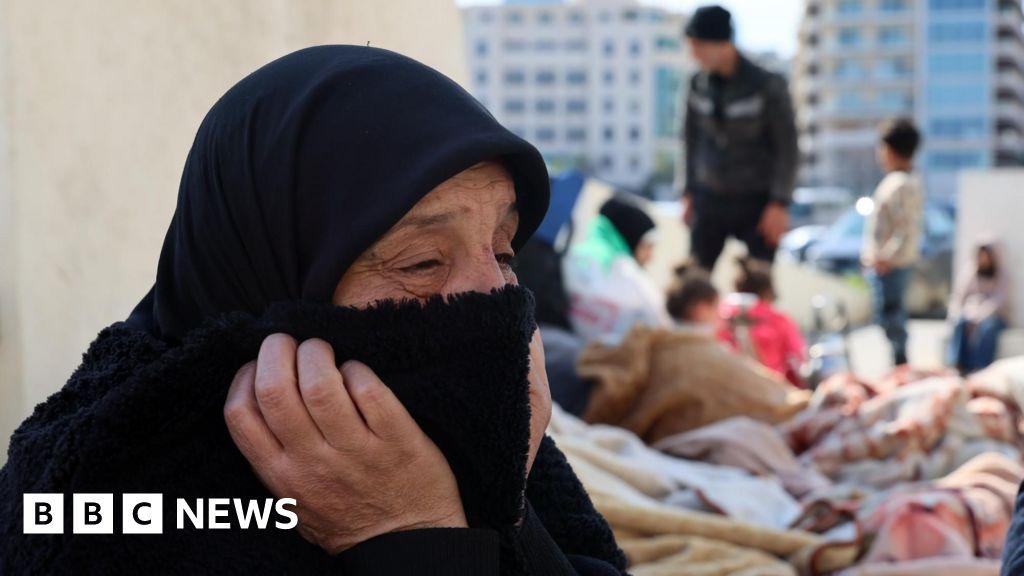
The fighting has produced a major humanitarian displacement in Lebanon. U.N. and local agencies report roughly 30,000 people displaced inside Lebanon and sheltering in collective centres, with many others sleeping in cars or along roads and thousands more fleeing border areas. RTE.ie specifies that the UN counted at least 30,000 displaced, including about 9,000 children, and multiple local reports describe overcrowded shelters and people stranded on roads.
“The U.N. refugee agency said Tuesday that about 30,000 displaced people in Lebanon are staying in collective shelters, while many others are sleeping in their cars or along roads because they cannot find safe shelter.”
Syria-Lebanon border build-up
Syria has reinforced its frontier with Lebanon amid the escalation. Multiple reports say Damascus deployed rocket units, thousands of troops and equipment to western Homs countryside and south of Tartus. Reports say the movement included elements from divisions, notably the 52nd and 84th, with infantry, armoured vehicles and short-range Grad and Katyusha rocket launchers.
Syrian officials framed the build-up as aimed at curbing smuggling and preventing infiltrations by Iran-backed groups. Some European and Lebanese officials expressed concern the concentrations could presage an incursion, while other observers described part of the movement as a show of force.
Lebanon government and military response
Lebanese authorities have moved politically and militarily in response. The government has outlawed or banned Hezbollah’s military activities and ordered the army to reassert control. The Lebanese Armed Forces pulled back from some border positions amid Israeli advances.
“Lebanon’s government has outlawed Hezbollah’s military activities — a move denounced by the pro‑Hezbollah paper al‑Akhbar as risking civil war — and the Lebanese army says it has redeployed troops from some border positions in response to Israeli actions.”
Prime Minister Nawaf Salam publicly denounced Hezbollah’s strikes and demanded disarmament. President Michel Aoun urged international (French) intervention as the humanitarian and security crisis deepened.