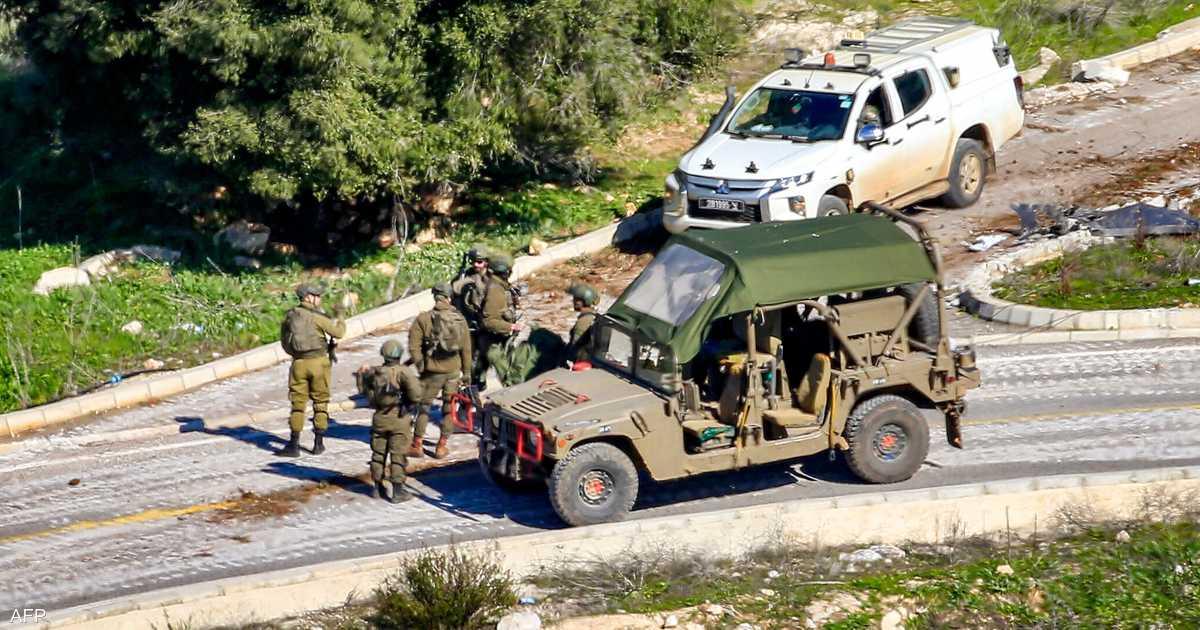
Israel Issues Expulsion Orders for 13 Villages in Southern Lebanon as Netanyahu Advances
Key Takeaways
- Expulsion orders issued for 13 southern Lebanon villages; large-scale displacement underway.
- Israeli forces pushed deeper into southern Lebanon, expanding the invasion.
- Civilians killed and displaced as fighting intensifies.
Crossing the Litani
Israel’s military issued three expulsion orders for residents of 13 villages in southern Lebanon as forces pressed deeper into the country, a day after Prime Minister Benjamin Netanyahu said troops had pushed deeper into Lebanon.
“Toggle Play Frustration in Lebanon as Israel expands invasion Israel’s ground invasion of Lebanon has moved deeper into sovereign territory, with troops crossing the Litani river”
Netanyahu announced on Friday that Israeli forces had advanced beyond the Litani River, saying, "Our forces have crossed the Litani and advanced to controlling positions," as the advance came while Lebanese and Israeli military delegations held security talks at the Pentagon in Washington.

The Middle East Eye account said Israel continued heavy bombardment of southern and eastern Lebanon despite a ceasefire that had nominally been in place since 17 April, and it said the military expanded ground operations beyond a security zone encompassing dozens of Lebanese villages already occupied by its troops.
Lebanon’s health ministry, as cited by Middle East Eye, said Israeli attacks have killed at least 3,355 people since the start of the war on 2 March, an increase of 31 compared to Thursday.
Hezbollah responded by targeting Israeli troops in southern Lebanon and launching cross-border rocket attacks, including rockets at Kiryat Shmona and a missile strike on the air traffic control unit at the Meron base, about 8km from the Lebanese border, according to Middle East Eye.
Talks, threats, and pressure
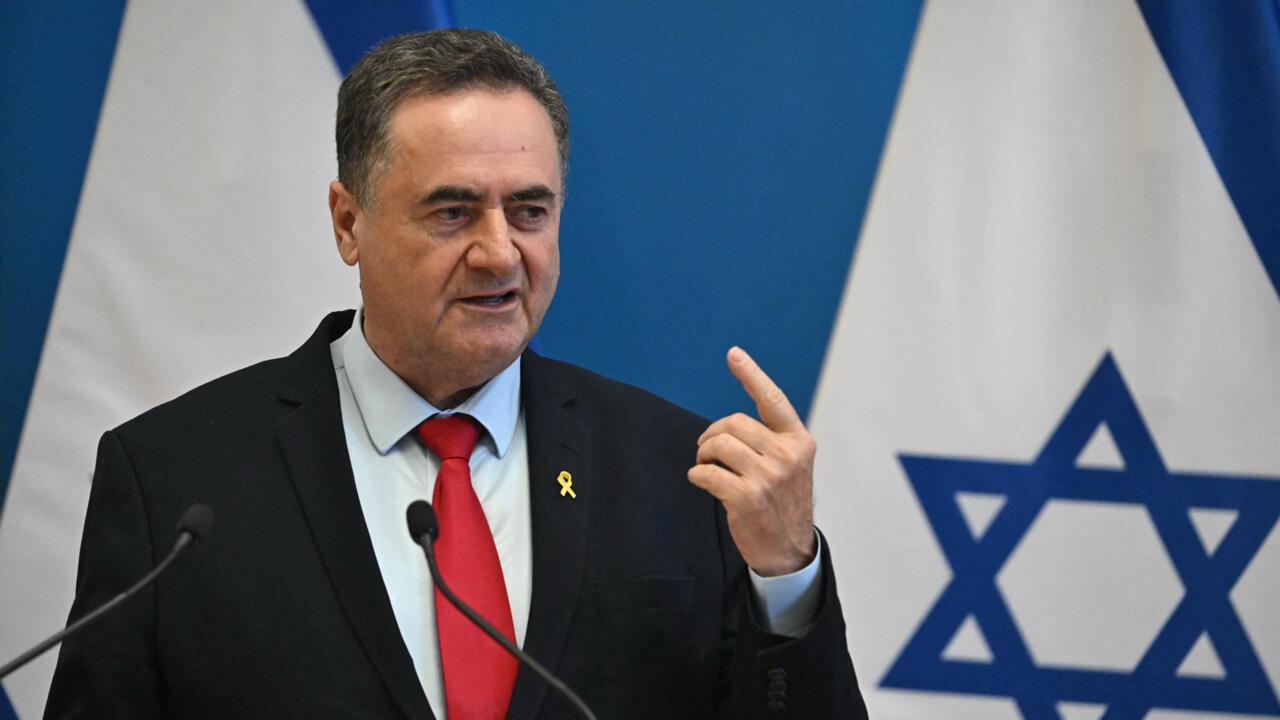
As Israel and Lebanon moved toward US-brokered negotiations, DW reported that Netanyahu said Hezbollah’s increased use of explosive drones threatens the lives of civilians in Israel’s north and "requires of us now to increase the blows, to increase the intensity. We will smite them hip and thigh."
DW also quoted David Wood, a Beirut-based senior analyst for Lebanon at the International Crisis Group, saying, "If the situation continues along this path, it could have disastrous consequences for Lebanon."
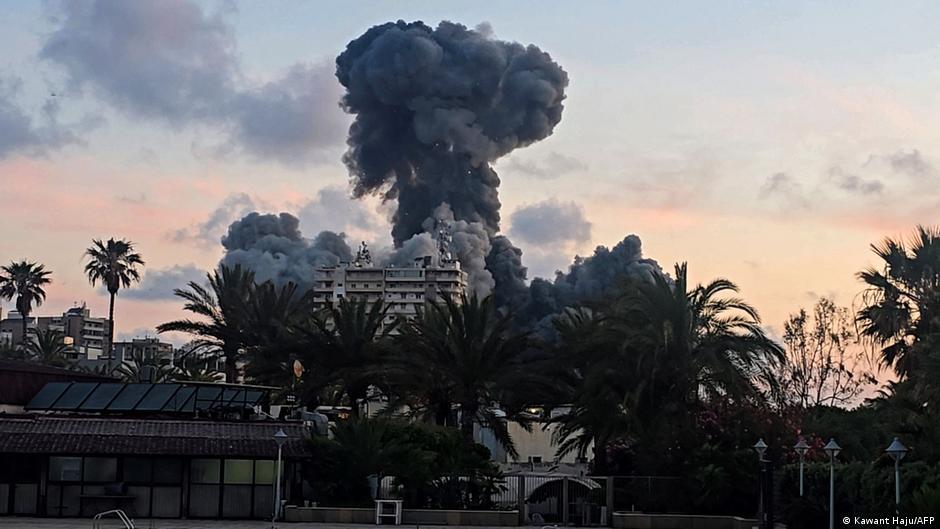
DW framed the escalation as worsening Lebanon’s humanitarian situation, citing Lebanon’s Health Ministry figures of more than 3,213 people killed and more than 1 million people remain displaced following nearly three months of Israeli strikes.
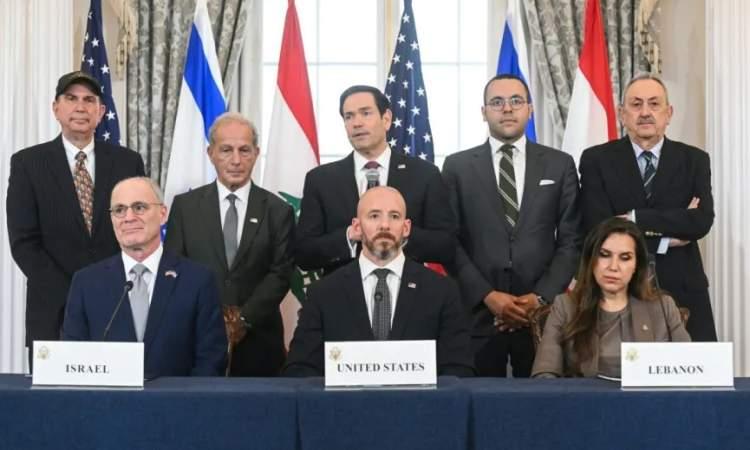
The Middle East Eye account said the upcoming talks will be the fourth round since 14 April and that they were due to begin early next week after security talks at the Pentagon.
Middle East Eye added that Israel refused a Lebanese demand to withdraw and insisted on the "dissolution of Hezbollah" during military-level talks at the Pentagon, citing an unnamed Lebanese official.
What’s at risk next
DW said the Lebanese government under President Joseph Aoun already banned all military action by Hezbollah in March 2026 and continues to push for Hezbollah’s disarmament, while also noting that the November 2024 ceasefire stipulated Hezbollah’s disarmament.
“What do you, in your view, think are Israel's war aims in Lebanon”
DW reported that Lebanese President Aoun defended holding the next round of direct talks between Israel and Lebanon, saying that a permanent peace and his demand for a complete Israeli withdrawal from southern Lebanon was non-negotiable, adding, "The liberation of the south is a duty borne by the state with the support of its people."
DW warned that disarmament by force would risk civil strife, quoting Sami Halabi, director of policy at the Lebanese think tank The Alternative Policy Institute, saying, "Disarmament by force would almost certainly lead to civil strife in Lebanon."
The New Yorker described Lebanon’s push to curb Hezbollah’s military operations as a legal and political dilemma, saying Nawaf Salam demanded that Hezbollah hand over its weapons and ordered security forces to take "immediate measures" to enforce the decision and arrest violators.
In the New Yorker’s account of the crackdown, three Hezbollah fighters were released after a hearing that lasted barely five minutes and each paid a fine of nine hundred thousand Lebanese pounds—about ten dollars—according to internal court records obtained by The New Yorker.
More on Lebanon
US Oversees Israel’s Phased Withdrawal From Lebanon Pilot Zone Ahead of Rome Talks
15 sources compared
Hezbollah Rejects Israel-Lebanon Framework Agreement After Washington Talks With Marco Rubio
11 sources compared

Sheikh Naim Qassem Says Lebanon Framework Agreement Transfers Sovereignty From Zionist Regime
33 sources compared

Israeli Forces Withdraw From Dibin as Lebanese Army Opens Roads With UNIFIL
18 sources compared