
Israel Kills At Least Three in Beirut Dahiyeh Strikes as Trump Seeks Iran Peace Deal
Key Takeaways
- Beirut's southern suburb strike kills at least three and wounds others.
- Trump condemns the attack, arguing it jeopardizes a US-Iran deal.
- Iran warns of imminent retaliation and risks derailing negotiations.
Beirut strike and fallout
Israel attacked Lebanon’s capital, Beirut, striking the Dahiyeh area, as the day Trump said a deal to end the US-Israel war with Iran could be signed.
United States President Donald Trump wrote on Truth Social that the Israeli attack on Beirut “should not have happened, particularly on a special day when we are so close to a Peace Deal with Iran”.

Iran’s Foreign Ministry said “the responsibility for the dangerous consequences” of Israel’s actions “will lie” with the US and Israel, and Iran’s top negotiator and parliament speaker Mohammad Bagher Ghalibaf said Israel’s attacks had drawn US trust into question.
Authorities said at least three people were killed in the Israeli strikes on the Dahiyeh area of Beirut, after Israeli Prime Minister Benjamin Netanyahu said the military launched the strikes in response to Hezbollah firing projectiles towards northern Israel around the same period.
In a separate report, Lebanese Civil Defense said it retrieved three bodies and six wounded people from the rubble after the strikes in Beirut’s southern suburbs.
Threats, stand-down, and timing
Trump urged “all sides should stand down,” saying “There should be no more attacks by Israel anywhere in Lebanon, but there should also be no more attacks by any other party, including Hezbollah, against Israel,” as Iran warned of consequences.
Iran’s parliament speaker Mohammad Bagher Ghalibaf threatened that Israel’s attacks had again drawn US trust into question, writing on X that the US “either lacks the will to fulfil its commitments or the ability to do so”.

Axios reported that the escalation landed hours before the U.S. and Iran were supposed to sign a deal to end their war, and it described Trump’s criticism of the Beirut strike as “very small and meaningless” while urging stand-down.
The IDF said it targeted a Hezbollah command center in Beirut, and NBC News reported that Israel said its military attacked Hezbollah targets in Beirut’s southern suburbs after Hezbollah fired into Israeli territory.
Euronews reported that Iran’s Supreme National Security Council warned a response was “imminent,” adding “Lebanon is our life and violation of the red lines of the Islamic Republic will not be tolerated.”
What’s at stake next
The Beirut strikes threatened to derail efforts to finalize a U.S.-Iran agreement, with Al Jazeera describing both sides as indicating that a signing of a memorandum of understanding to end fighting on all fronts, including in Lebanon, was closer than ever.
Dawn’s live updates described that Iran’s top negotiator and parliament speaker Mohammad Bagher Ghalibaf said Iran had not made a final decision on the deal that Trump hoped could be signed soon, while other updates said the Strait of Hormuz would be opened and the naval blockade removed after the deal was “complete”.
Time Magazine said Pakistan’s Prime Minister Shehbaz Sharif announced a signing ceremony on Friday, June 19, in Switzerland, and it quoted Trump authorizing “the immediate removal of the United States Naval blockade” alongside the Strait of Hormuz reopening.
NBC News reported that Iran had long made the cessation of fighting in Lebanon a condition for any wider agreement with the United States, and it said Hezbollah rejected negotiations and said any ceasefire with Israel should secure an end to all hostilities, including in southern Lebanon.
Euronews added that the continuing escalation between Israel and Hezbollah also threatens to derail a potential deal between Washington and Tehran, while it described the stakes as a 60-day framework for technical discussions that could lay the groundwork for de-escalation in Lebanon.
More on Lebanon
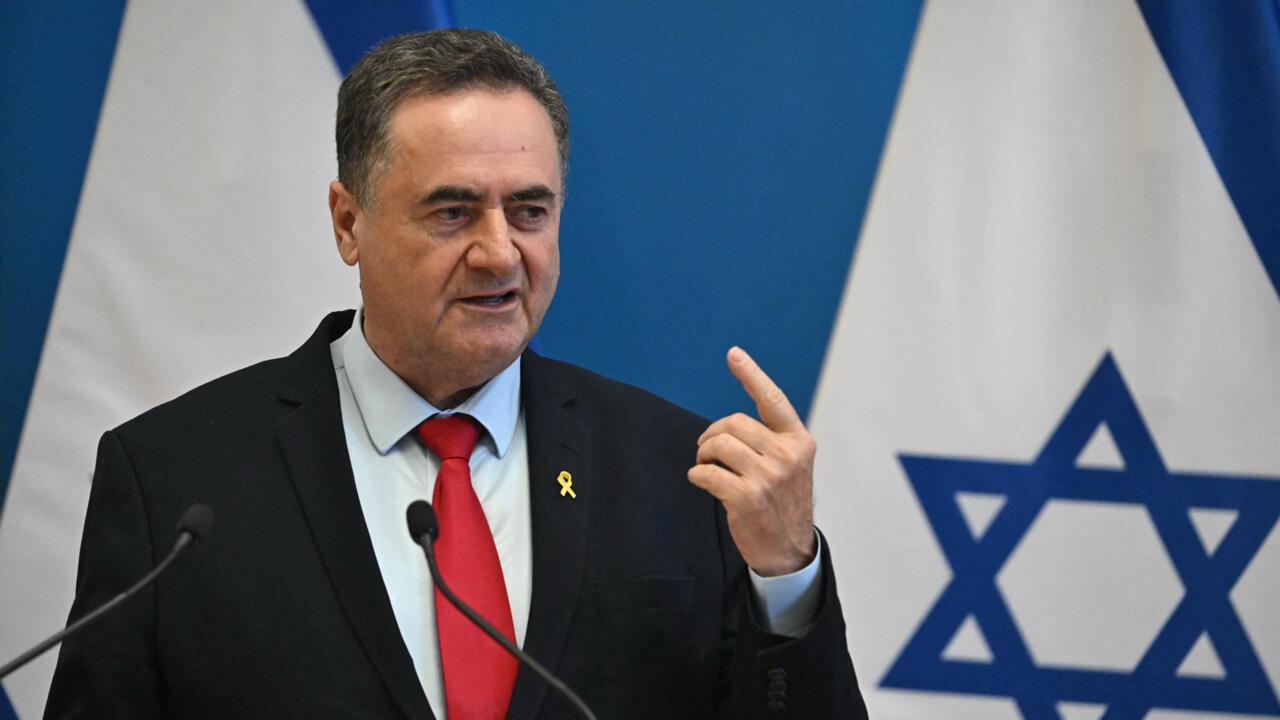
US Oversees Israel’s Phased Withdrawal From Lebanon Pilot Zone Ahead of Rome Talks
15 sources compared
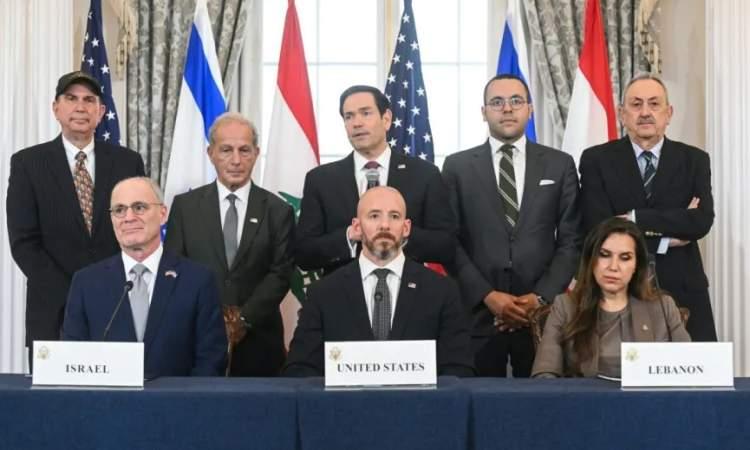
Hezbollah Rejects Israel-Lebanon Framework Agreement After Washington Talks With Marco Rubio
11 sources compared

Sheikh Naim Qassem Says Lebanon Framework Agreement Transfers Sovereignty From Zionist Regime
33 sources compared

Israeli Forces Withdraw From Dibin as Lebanese Army Opens Roads With UNIFIL
18 sources compared