Gaza Genocide28 May, 20263 min read
Israel Kills Hamas Military-Wing Leaders Mohammed Odeh And Izz Al-Din Al-Haddad In Gaza
Israel killed Hamas armed-wing leader Mohammed Odeh in Gaza by airstrike. Israel killed Izz al-Din al-Haddad, the replacement Hamas armed-wing commander.

The Times of Israel was read line by line by the Watchdog: 6.3. See the score →
Two Hamas commanders killed
Israel’s targeted killings in Gaza have continued with the killing of Hamas military-wing leaders, including the identification of Mohammed Odeh and Izz al-Din al-Haddad as architects of the October 7, 2023, attack on Israel, and the claim that Israel’s campaign aims to pursue those behind the onslaught that triggered the war in Gaza. The Times of Israel described Israel’s assassination of two Hamas military chiefs, Izz-al-Din al-Hadad and his successor Mohammed Ouda, within 11 days of each other, and framed the killings as part of a broader pattern that followed earlier assassinations of figures including Yahya Sinwar and Ismail Haniyeh.
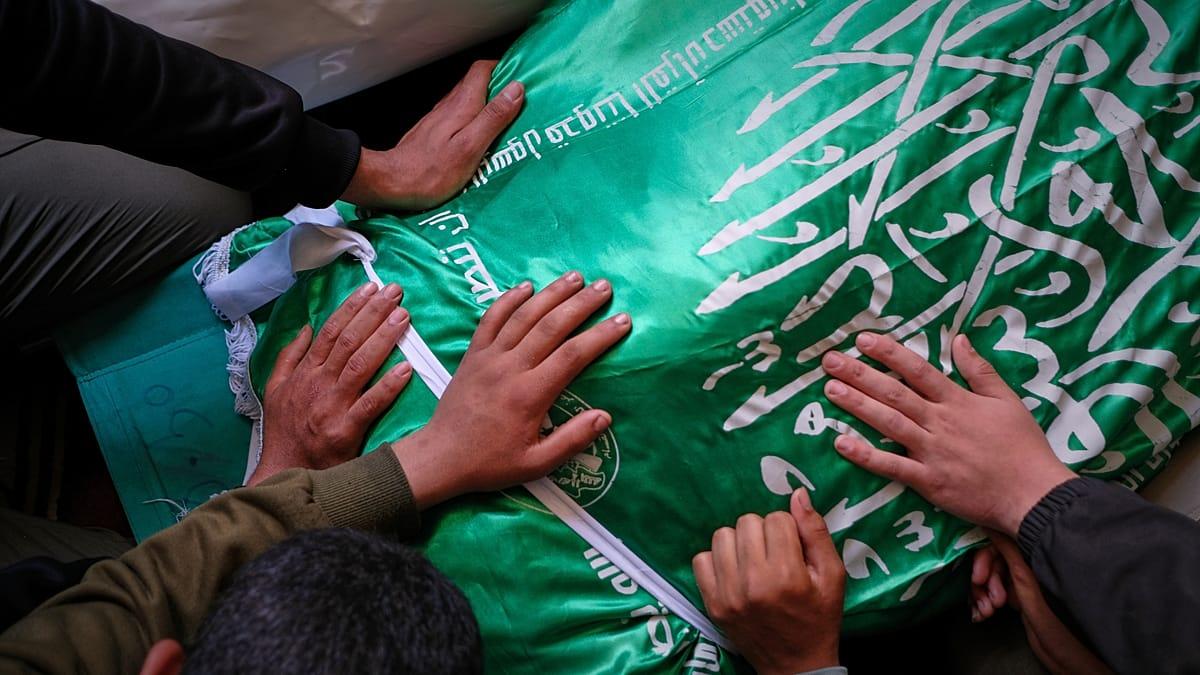
In Gaza, the Helsinki Times reported that Israel said it killed the new head of Hamas’s armed wing in Gaza, Mohammed Odeh, in an air strike that struck a residential building in one of the city’s busiest districts ahead of Eid al-Adha celebrations, and that the strike killed civilians. The same report said Israeli officials described Odeh as one of the remaining senior Hamas commanders linked to the 7 October 2023 attacks on southern Israel, and it added that Hamas had not issued an official statement by Wednesday afternoon though a Hamas source and relatives told the BBC that Odeh, his wife and their adult son were killed in the strike.

Debate over impact
Nasser Khdour of ACLED, cited by The Times of Israel, said the killing of military chiefs such as Odeh and Haddad points to Israel’s operational ability to reach Hamas’s military leadership, but he added that “the killing of senior commanders is unlikely, on its own, to push Hamas toward disarmament.” Khdour’s caution was echoed by the same report’s broader argument that targeted killings rarely address the underlying grievances that propel conflicts, and it contrasted Israel’s history of targeted killings with cases where Palestinian and Lebanese terror groups endured and grew more powerful after the loss of top leaders.
The Times of Israel also quoted Yossi Kuperwasser, the former head of Israel’s military intelligence research division, saying targeted killings can be an effective tool but are not a “cure for all problems,” while acknowledging that “it’s important for Israel to weaken its enemies.” In a different framing, the Jerusalem Post asserted that Israel’s achievement of assassinating two Hamas military chiefs in 11 days showed “Israel demonstrates operational superiority,” and it argued that Israel has its enemies’ leaders covered “practically on demand” across multiple theaters including Hamas in Gaza and the West Bank.
Ceasefire violations and stakes
The Gaza ceasefire context in the sources was described alongside the latest assassination claims, with the Helsinki Times saying the strike killed civilians and added to “continuous Gaza ceasefire violations by Israel, since the truce took effect in October.” That same report said the Gaza Government Media Office stated that Israel had committed more than 3,000 truce violations, including bombings, attacks on civilians and incursions into residential areas, and it cited Gaza health authorities saying more than 910 Palestinians have been killed and 2,700 wounded since the ceasefire began.
In parallel, the Al Jazeera-linked reporting in the Helsinki Times account said Israel’s operations continued despite the ceasefire, and it quoted Netanyahu saying, “Sooner or later, Israel will reach them all,” as Israeli officials said operations against Hamas leadership would continue. Outside Gaza, the NurNews account described explosions in Doha, Qatar and said Tel Aviv took responsibility for an attack on Hamas offices there, while also quoting Israel’s Channel 12 claim that “Americans control the airspace of Qatar” and that Israel would need coordination with them to carry out any military operation in the country.