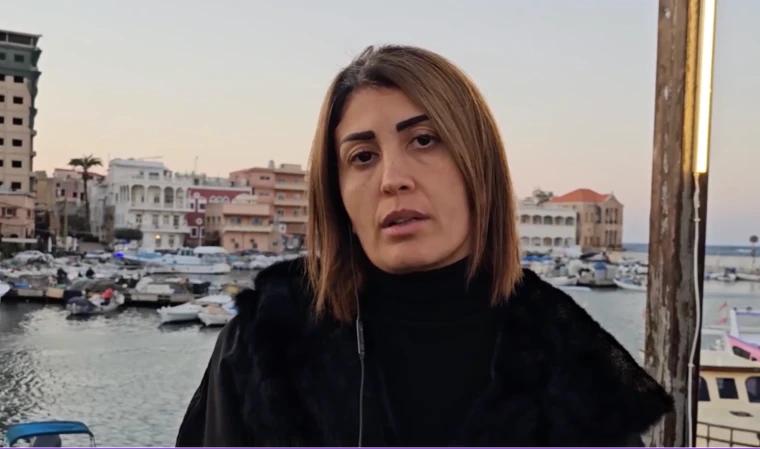
Israel Kills Lebanese Journalist Amal Khalil in Airstrike on House in al-Tayri
Key Takeaways
- Lebanese journalist Amal Khalil was killed in an Israeli airstrike on a house in al-Tayri.
- Photographer Zeinab Faraj was wounded in the same strike.
- Lebanon's leaders condemned the attack as war crimes and demanded accountability.
Khalil killed in al-Tayri
Lebanese journalist Amal Khalil was killed in an Israeli airstrike on a house in southern Lebanon’s village of al-Tayri (also spelled al-Tiri/Tayri), where she had taken cover while reporting on the Israel-Hezbollah war.
Al Jazeera reported that Khalil and her colleague Zeinab Faraj were reporting on an earlier Israeli attack on a vehicle on Wednesday, when they were targeted while fleeing towards a building to take shelter.

The BBC said the strike killed Khalil, who worked for Lebanese newspaper Al-Akhbar, and injured freelance photographer Zeinab Faraj, after officials said they were deliberately targeted as they sought shelter in a home after an initial air strike hit the vehicle in front of them.
AP reported that Khalil’s body was retrieved from the rubble hours later, with rescue workers saying she was killed in an Israeli airstrike on a house where she had taken cover while reporting on the Israel-Hezbollah war.
Multiple outlets described a sequence in which an initial strike hit near the car, killing two people, followed by a second strike hitting the house where the journalists had sought refuge.
Al Jazeera said Khalil was killed in what Lebanese officials described as a “double-tap” strike in al-Tayri, and that her body was recovered shortly before midnight, more than seven hours after the attack.
The BBC and AP both described delays in rescue access, with the BBC saying the IDF denied preventing rescue teams and AP saying Israeli forces fired on rescuers so they were forced to halt attempts to reach Khalil.
Ceasefire, escalation, and “double-tap”
The killing unfolded during a fragile ceasefire between Israel and Lebanon, with multiple reports tying the incident to ongoing escalation along the border.
CNN said the airstrikes occurred during a fragile ceasefire between Israel and Lebanon, aimed at pausing fighting with Iran-backed Hezbollah, that has been in place since last Friday, and it added that a second round of direct talks between Israeli and Lebanese officials was scheduled for Thursday in Washington.

RFI described the strike as occurring “a week into a ten-day ceasefire between Israel and Hezbollah,” and said the strike on a house in southern Lebanon near the town of al-Tayri killed journalist Amal Khalil, who had taken cover there while on assignment.
The BBC and AP both linked the incident to the renewed Israel-Hezbollah conflict that resumed in early March, and AP said Khalil’s death came on the eve of the second round of direct talks between Israeli and Lebanese officials in Washington on extending the ceasefire that went into effect last Friday.
Al Jazeera said Khalil had been covering a renewed escalation of hostilities between Israel and the Lebanese group Hezbollah, which resumed in early March amid wider regional tensions linked to the US-Israel war on Iran.
Several outlets also described the incident as part of a pattern of attacks on media workers, with Al Jazeera noting that Khalil was the ninth journalist killed in Lebanon this year and that she was the ninth journalist killed in Lebanon this year.
The BBC said Lebanon accuses the Israel Defense Forces (IDF) of intentionally targeting a marked ambulance as it tried to reach the journalists in the village of Tayri, while the IDF denied it was preventing rescue teams from reaching the area.
Salam, Morcos, and CPJ reactions
Lebanon’s political leadership and press-freedom groups condemned the strike as a war crime, while Israel denied targeting journalists and said it was reviewing the incident.
BBC quoted Lebanese Prime Minister Nawaf Salam saying: "Targeting journalists, obstructing access to them by relief teams, and even targeting their locations again after these teams arrive constitutes described war crimes."
CNN reported Salam posted on X that the attacks on media workers were no longer “isolated incidents” but “an established method which we condemn.”
AP quoted Lebanon’s Information Minister Paul Morcos saying: “Killing of journalists is a crime and a flagrant violation of international and humanitarian law,” and the BBC also described Morcos condemning the incident as a flagrant violation of international humanitarian law.
The Committee to Protect Journalists (CPJ) said it was “outraged” and described the obstruction of medical and humanitarian access as a grave breach, with CPJ Regional Director Sara Qudah saying: "The repeated strikes on the same location, the targeting of an area where journalists were sheltering, and the obstruction of medical and humanitarian access constitute a grave breach of international humanitarian law."
Al Jazeera quoted CPJ’s Sara Qudah saying: "The Israeli military’s obstruction of medical crews from rescuing wounded civilians is a brutal and recurring crime we have already witnessed in Gaza and now again in Lebanon."
In contrast, the IDF denied it targets journalists and said it does not target journalists and acts to mitigate harm to them while maintaining the safety and security of its troops, according to the BBC.
Rescue blocked by gunfire and stun grenade
Accounts of what prevented rescuers from reaching Khalil diverged between Lebanese officials and the IDF, but both sides centered on whether emergency access was obstructed.
The BBC said Lebanon’s health ministry accused the IDF of intentionally targeting a marked ambulance as it tried to reach the journalists, and it quoted the ministry saying: "This constitutes a blatant double violation: obstructing the rescue efforts of a citizen known for her civic media activism, and targeting an ambulance clearly marked with the Red Cross emblem."

The Guardian similarly reported that rescuers were blocked from accessing the building where Khalil was buried under rubble because of further Israeli fire, and it said the health ministry stated Israel’s military “prevented the completion of the humanitarian mission by firing a sound grenade and live ammunition at the ambulance”.
Al Jazeera said rescue workers initially tried to reach the veteran Al Akhbar journalist but came under Israeli fire and were forced to withdraw, and it added that a second strike then hit the house where the two journalists had sought refuge.
AP described that at first rescue workers were able to get to Faraj and retrieve bodies of two killed in the first airstrike, but they were fired on by Israeli forces so they were forced to halt attempts to reach Khalil.
CNN said Red Cross workers took Faraj to a hospital under “hostile gunfire,” according to NNA, and it said Lebanese authorities accused Israeli forces of trying to prevent emergency workers from rescuing them.
The IDF denied preventing rescue teams and said it does not target journalists, with the BBC stating the IDF denied it was preventing rescue teams from reaching the area and that it does not target journalists.
International talks and what comes next
The killing of Amal Khalil came as the U.S.-hosted diplomatic track moved toward another round of talks, with Beirut seeking to extend a ceasefire while attacks continued in southern Lebanon.
“Hezbollah on Thursday denounced in the strongest terms treacherous and brutal attack which killed Lebanese journalist Amal Khalil and injured her colleague Zeinab Faraj a day earlier in the southern town of Al-Tiri”
The Hindu reported that the U.S. will host a second meeting between Lebanese and Israeli envoys on Thursday (April 23, 2026), with Beirut seeking the extension of a ceasefire between Israel and Hezbollah, and it said the U.S.-mediated ceasefire was set to expire on Sunday (April 26, 2026).
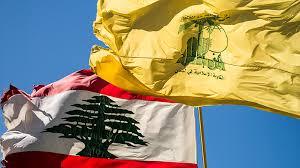
The Guardian said representatives from Israel and Lebanon—who do not have diplomatic relations with each other—were set to hold a second round of talks under US auspices on Thursday, in a bid to end the more than six weeks of fighting between Israel and Hezbollah that began on 2 March.
AP said Khalil’s death came on the eve of the second round of direct talks between Israeli and Lebanese officials in Washington on extending the ceasefire that went into effect last Friday.
CNN said a second round of direct talks between Israeli and Lebanese officials is scheduled for Thursday in Washington, according to an Israeli official and a State Department official.
In parallel, Lebanon said it would pursue accountability, with the BBC reporting that Salam said Lebanon would “pursue the crimes before the competent international forums.”
Al Jazeera said CPJ called for the international community to enforce international law, urgently investigate Israel’s 262 killings of journalists across the region, and hold all those responsible to account.
More on Lebanon
Lebanon Seeks One-Month Ceasefire Extension With Israel in Washington Talks Hosted by Marco Rubio
16 sources compared
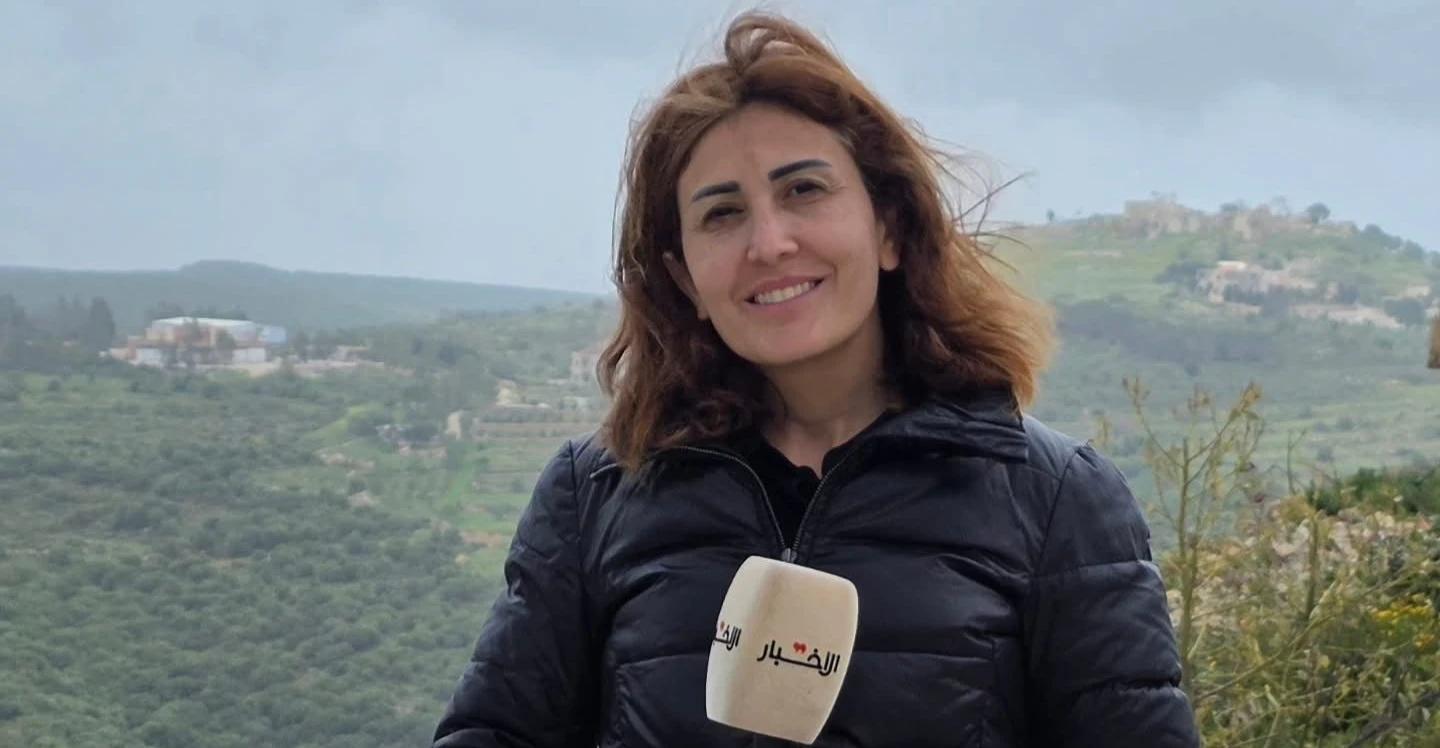
Israeli Strikes Kill At Least Four In At-Tiri, Lebanon, Leaving Journalist Amal Khalil Trapped
17 sources compared
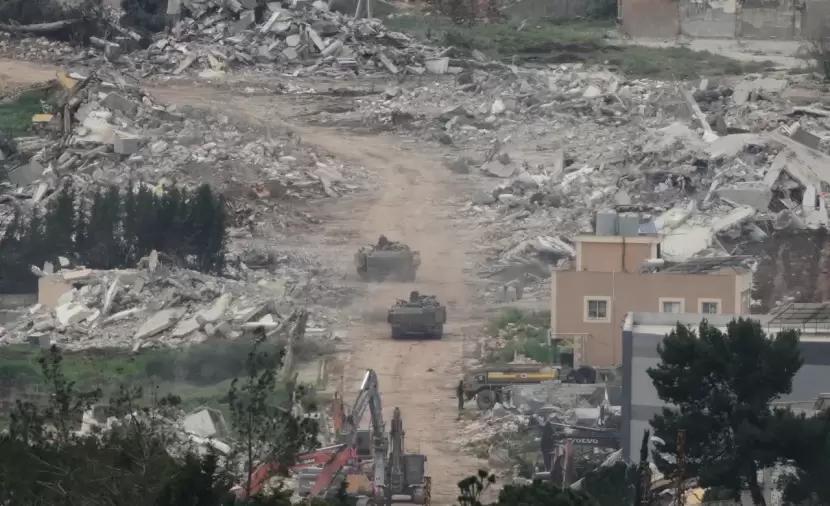
Israeli Forces Launch New Demolition Operations in Shamaa After April 17 Cease-Fire
10 sources compared
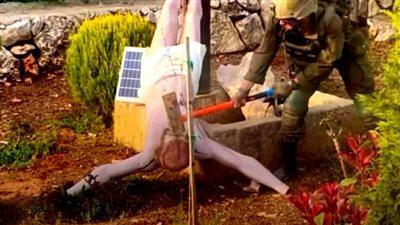
Israel Jails Soldiers After Sledgehammer Vandalism of Jesus Statue in Debl, Lebanon
29 sources compared