Lebanon Seeks One-Month Ceasefire Extension With Israel in Washington Talks Hosted by Marco Rubio
Key Takeaways
- Lebanon seeks a one month ceasefire extension during Washington talks with Israel.
- Ceasefire expires within days, prompting Beirut's request for extension.
- US-mediated discussions in Washington coordinate the extension effort.
Washington talks seek extension
Lebanon and Israel are set to hold a new round of talks in Washington on Thursday, with Beirut planning to request a one-month extension of a ceasefire due to expire within days.
“Ammon News - Israel and Lebanon hold a new round of talks in Washington on Thursday, during which Beirut plans to request a one-month extension of a ceasefire due to expire within days”
Naharnet reports that the meeting comes after Lebanon and Israel held a meeting in Washington on April 14, described as the first of its kind since 1993, in an attempt to end the more than six-week war between Hezbollah and Israel.
The United States announced a 10-day truce shortly after the first meeting, and it is due to expire on Sunday, according to Naharnet.
TRT World similarly frames the Thursday session as the second round of direct talks hosted by the United States, following the April 14 meeting.
TRT World says the 10-day truce was agreed to on April 16 for an initial 10-day period to enable peace negotiations, and that it can be extended by mutual agreement as talks progress.
In the talks, the U.S. Secretary of State Marco Rubio is facilitating, with Israeli ambassador Yechiel Leiter and Lebanese ambassador Nada Hamadeh Moawad leading their sides, TRT World says.
Naharnet adds that the U.S. ambassador to Lebanon, Michel Issa, will be present, and that U.S. ambassador to Israel Mike Huckabee is also expected to join, a State Department official told AFP.
Ahead of the meeting, Israel told the talks it has no “serious disagreements” with Lebanon and urged it to “work together” against the pro-Iran Hezbollah, which is notably absent from and opposed to the negotiations, Naharnet reports.
Violations and battlefield backdrop
Even as diplomats prepare for the next round, the sources describe continued Israeli strikes and damage in Lebanon during the ceasefire period.
Naharnet says Israeli strikes on Lebanon have killed at least 2,454 people and displaced one million since the start of the war, according to Lebanese authorities, and it reports that Israeli strikes killed five people in Lebanon on Wednesday despite the ceasefire.
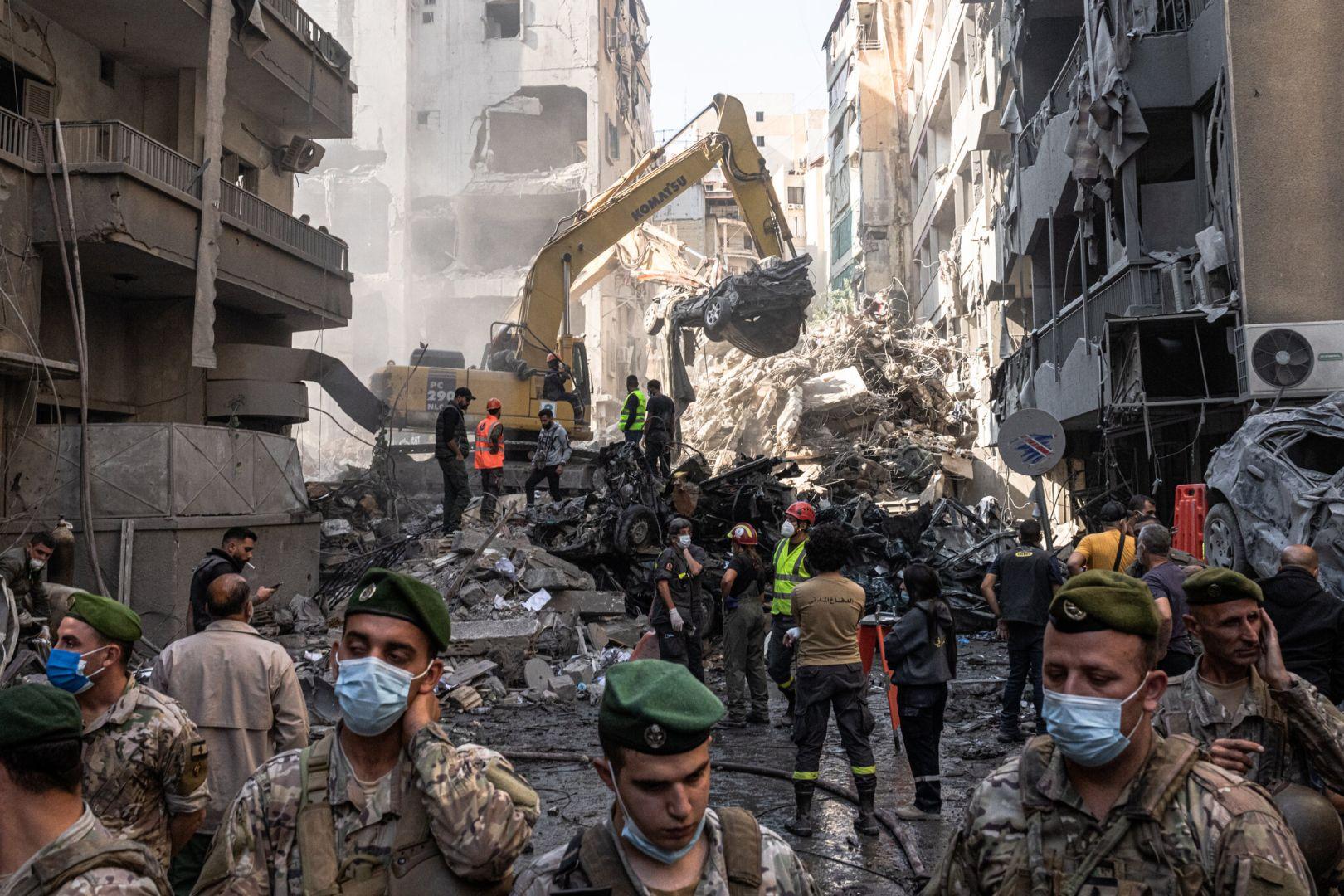
Under the truce terms, Naharnet reports that Israel says it reserves the right to act against “planned, imminent or ongoing attacks.”
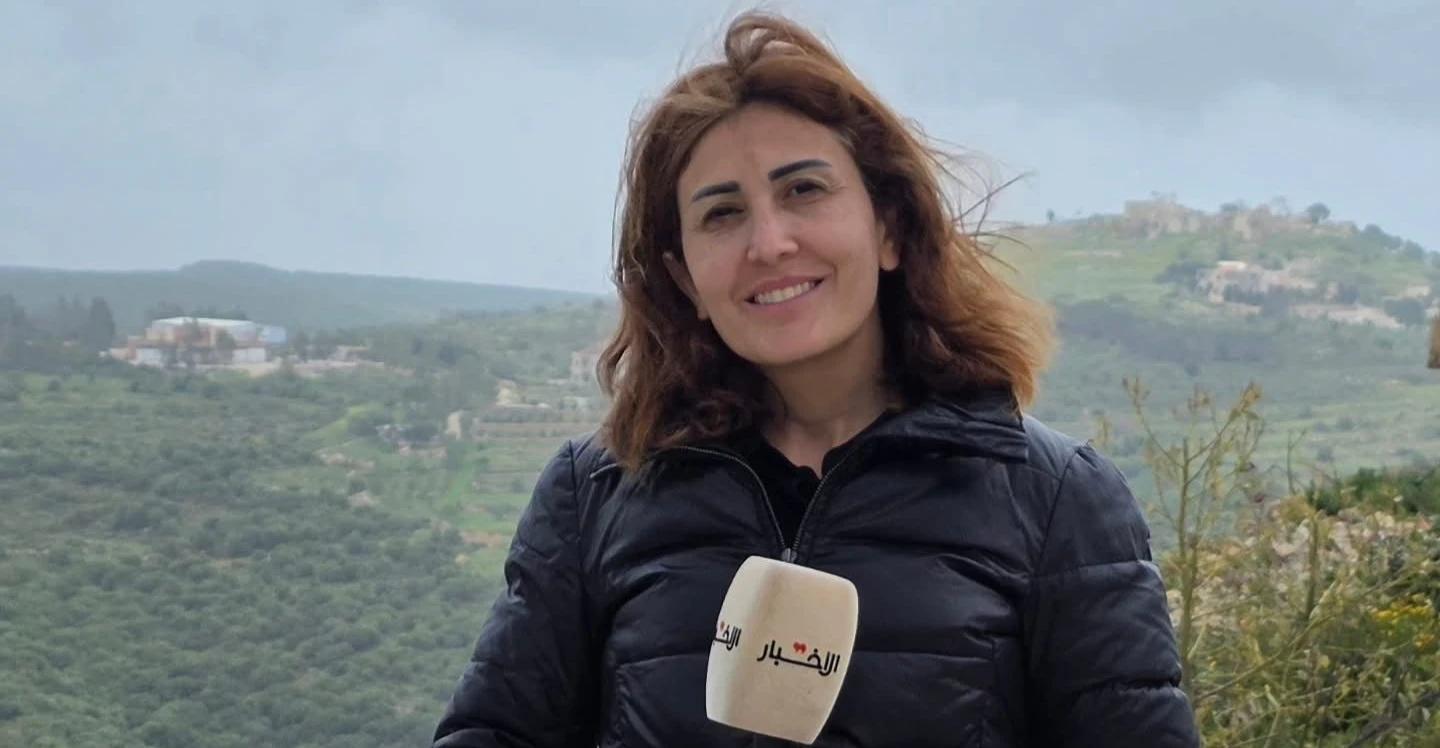
Naharnet also says Lebanon’s civil defense agency said an Israeli strike killed journalist Amal Khalil on Wednesday, while before rescuers had found her body, Lebanon’s state media said Israeli strikes had killed four people in the south and east of the country.
TRT World adds that three separate Israeli strikes have killed at least six people and wounded others in the last 24 hours, according to local authorities, and it also says Israel killed prominent Lebanese journalist Amal Khalil on Wednesday.
TRT World reports that Lebanon’s Prime Minister Nawaf Salam said that Israel’s targeting of journalists constitutes “war crimes,” condemning what he described as a systematic pattern of attacks in southern Lebanon.
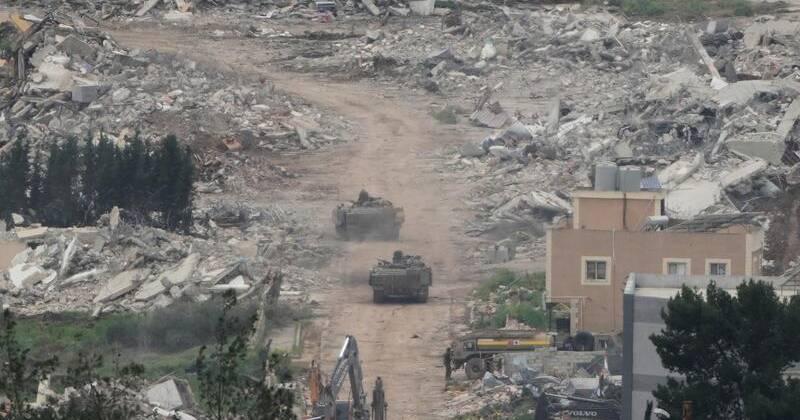
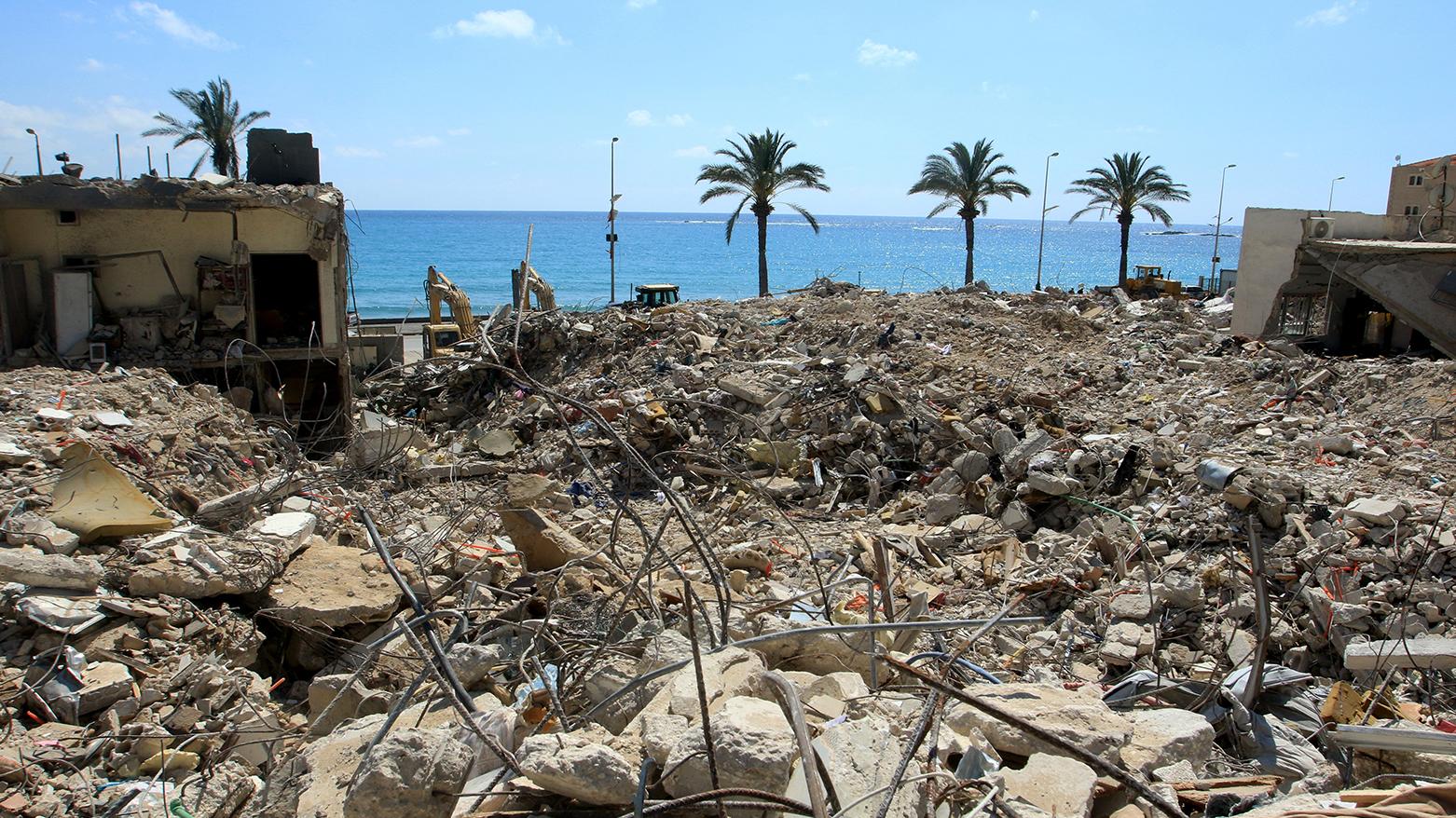
TRT World further says Israeli ceasefire violations have destroyed 428 housing units in southern Lebanon over the past three days, and that during 46 days of Israeli assaults before the recent ceasefire, 17,756 housing units were destroyed while 32,668 were damaged, citing Lebanon’s National Council for Scientific Research.
Inner East Review similarly says Wednesday marked Lebanon’s deadliest day since the ceasefire took effect on April 16, and it reports that the dead included Lebanese journalist Amal Khalil, according to a senior Lebanese military official and her employer, the Al-Akhbar newspaper.
What each side demands
The sources lay out competing priorities for the talks, with Lebanon seeking an extension and changes to Israeli actions, while Israel frames the process around Hezbollah.
“The US has facilitated a second round of diplomatic talks between Lebanon and Israel aimed at extending the current ceasefire”
Naharnet says that in Washington, “Lebanon will request an extension of the truce for one month, an end of Israel's bombing and destruction in the areas where it is present, and a commitment to the ceasefire,” quoting a Lebanese official speaking to AFP on condition of anonymity.
Naharnet also reports that Lebanese President Joseph Aoun said Wednesday that “contacts are underway to extend the ceasefire period,” and it adds that following the first round of talks, Lebanon and Israel agreed to begin direct negotiations with a view to lasting peace at a date and place to be determined later.
TRT World says a Lebanese official said Beirut wants a ceasefire extension as a prerequisite for talks to expand beyond the ambassadorial level to the next phase, in which Lebanon would push for an Israeli withdrawal, the return of Lebanese detainees in Israel and a delineation of the land border.
TRT World also says Lebanon is reportedly seeking a ceasefire extension and a halt to Israeli demolitions in occupied southern villages, and it describes concerns that displaced people will have nowhere to return if the fragile truce holds.
Israel’s position, as described by Naharnet and TRT World, is that it has no “serious disagreements” with Lebanon while insisting that Hezbollah is the obstacle to peace and normalization.
Naharnet quotes Israeli Foreign Minister Gideon Saar saying, “The obstacle to peace and normalization between the countries is one -- Hezbollah,” and it reports that Saar called on Lebanon to “work together” against Hezbollah, which is absent from the negotiations.
Inner East Review adds that Israel says its objectives include securing the dismantlement of Hezbollah and creating conditions for a peace deal, while Hezbollah says it has “the right to resist” occupying forces.
Voices, accusations, and leverage
The sources include direct statements from Lebanese officials and Israeli leaders that highlight how the talks are being shaped by accusations of wrongdoing and by the role of Hezbollah.
Naharnet reports that Labour Minister Tahmina Akhter said the government would launch an immediate investigation and that it would “hold the owners fully accountable,” but in the Lebanon context the more prominent direct accusations come from TRT World’s reporting on Prime Minister Nawaf Salam, who said Israel’s targeting of journalists constitutes “war crimes.”
TRT World says Salam condemned what he described as a systematic pattern of attacks in southern Lebanon, and it places that statement alongside the killing of journalist Amal Khalil.
Naharnet also quotes Israeli Foreign Minister Gideon Saar saying, “The obstacle to peace and normalization between the countries is one -- Hezbollah,” and it adds that Saar called on Lebanon to “work together” against Hezbollah, which is notably absent from and opposed to the negotiations.
In the same Naharnet account, Hezbollah is described as having launched rockets towards Israel on March 2 to avenge the U.S.-Israeli killing of Iran's supreme leader Ali Khamenei, and it says Israel responded with massive air raids and an invasion of southern Lebanon.
Inner East Review says Hezbollah says it has “the right to resist” occupying forces, and it describes Hezbollah’s position that the ceasefire emerged separately from Washington’s efforts to resolve its conflict with Tehran even though Iran had called for Lebanon to be included in any broader truce.
TRT World adds that Hezbollah has condemned Beirut for seeking talks with Israel and that Hezbollah says the Lebanon ceasefire was the result of Iranian pressure.
Against that backdrop, Naharnet reports that the United States announced a 10-day truce shortly after the first meeting and that it is due to expire on Sunday, while Firstpost frames the Lebanon ceasefire as a key condition set by the Iranian side for a longer truce with the US.
What happens next
The reporting ties the Thursday talks to immediate deadlines and to the possibility of a broader negotiation phase, while also emphasizing that violence and territorial control continue on the ground.
“The US will host a second meeting between Lebanese and Israeli envoys, with Beirut seeking the extension of a ceasefire between Israel and Hezbollah, a day after Israeli strikes killed at least five people including a journalist”
Naharnet says the United States announced a 10-day truce shortly after the first meeting and that it is due to expire on Sunday, and it describes Lebanon’s plan to request a one-month extension.
TRT World says Beirut wants the extension as a prerequisite for talks to expand beyond the ambassadorial level to the next phase, where Lebanon would push for an Israeli withdrawal, the return of Lebanese detainees in Israel and a delineation of the land border.
Inner East Review similarly says Lebanese President Joseph Aoun has said Beirut’s envoy Nada Moawad would seek a ceasefire extension and a halt to demolitions being carried out by Israel in villages in the south, and it adds that Israel says its objectives include securing the dismantlement of Hezbollah and creating conditions for a peace deal.
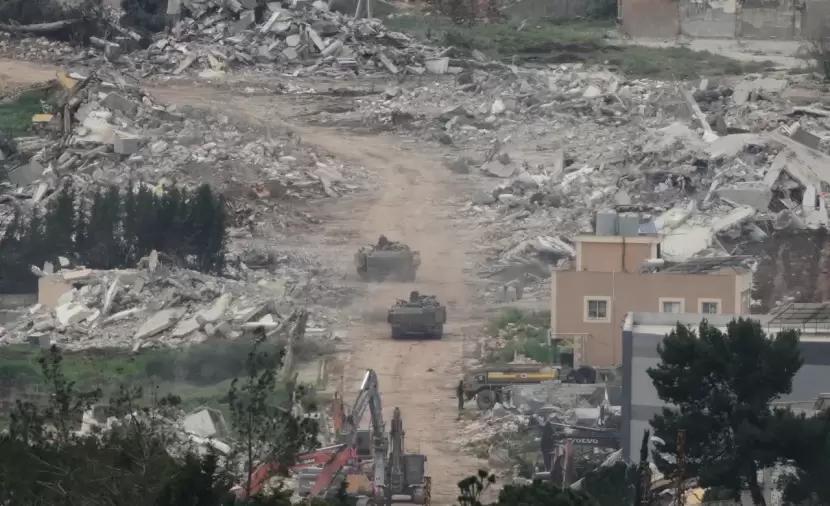
The sources also describe how the ceasefire is being tested by ongoing strikes and by the presence of Israeli forces in southern Lebanon: Naharnet says Israeli forces remain in dozens of southern villages behind what the army has called a “Yellow Line,” described by the Israelis as a 10-kilometre deep “security zone” along the border in southern Lebanon.
TRT World says Israeli ceasefire violations have destroyed 428 housing units in southern Lebanon over the past three days, and it reports that 17,756 housing units were destroyed and 32,668 damaged during 46 days of Israeli assaults before the recent ceasefire.
Inner East Review says Israel is occupying a belt of the south that extends 5km to 10km into Lebanon, and it describes Hezbollah’s rockets as having fired hundreds during the war.
In the diplomatic arena, Naharnet says following the first round of talks, Lebanon and Israel agreed to begin direct negotiations with a view to lasting peace, at a date and place to be determined later, and it notes that Lebanon has appointed Simon Karam, a seasoned diplomat and former ambassador to the U.S., to lead its delegation in these negotiations.
More on Lebanon

Israeli Airstrikes Kill Lebanese Journalist Amal Khalil in Tayri, Lebanon Says
65 sources compared
Israeli Strikes Kill At Least Four In At-Tiri, Lebanon, Leaving Journalist Amal Khalil Trapped
17 sources compared
Israeli Forces Launch New Demolition Operations in Shamaa After April 17 Cease-Fire
10 sources compared
Israel Jails Soldiers After Sledgehammer Vandalism of Jesus Statue in Debl, Lebanon
29 sources compared