
Israeli Airstrikes Kill Lebanese Journalist Amal Khalil in Tayri, Lebanon Says
Key Takeaways
- Lebanese journalist Amal Khalil killed in Israeli airstrike in southern Lebanon.
- Zeinab Faraj, freelance photographer, wounded in the same strike.
- Lebanon's prime minister accuses Israel of war crimes and deliberate targeting.
Journalist killed in Tayri
Israeli airstrikes in southern Lebanon on Wednesday killed Lebanese journalist Amal Khalil and seriously wounded freelance photographer Zeinab Faraj, according to Lebanon’s accounts and officials cited by multiple outlets.
BBC reported that Lebanon accused Israel of targeting the journalists as they sought shelter in a home after an initial air strike hit the vehicle in front of them, killing two men, and that officials also accused the Israel Defense Forces (IDF) of intentionally targeting a marked ambulance as it tried to reach the journalists in the village of Tayri.

CNN similarly said the two journalists had taken shelter during a series of strikes in the town of Tayri, when the building they were in was hit, and that Lebanese authorities accused Israeli forces of trying to prevent emergency workers from rescuing them, with Red Cross workers taking Faraj to a hospital under “hostile gunfire,” according to Lebanon’s National News Agency (NNA).
News Ghana added that the killing occurred in the village of al-Tiri, that Khalil’s body was recovered shortly before midnight more than seven hours after the attack, and that the two journalists had traveled to al-Tiri to cover an earlier Israeli drone strike on a vehicle.
The BBC reported that Khalil, 43, worked for Lebanese newspaper Al-Akhbar, while Faraj was a freelance photographer, and that the two men who died in the initial strike were not named by officials.
The BBC also said Khalil’s body was later recovered by emergency teams, according to Lebanon’s civil defence agency, and that on Thursday morning journalists gathered at Martyrs Square in Beirut to remember her in silence.
In Beirut, Al Akhbar’s front page featured a picture of Khalil, microphone in hand, smiling, and the newspaper said in an article on her death that Khalil “remained steadfast in her humanitarian and professional duty.”
Shelter, ambulance, and obstruction
Across reports, the incident is described as unfolding in stages: an initial strike, then a later strike on a building where journalists had taken refuge, and then alleged interference with rescue and medical access.
BBC said Lebanon’s officials accused the IDF of intentionally targeting a marked ambulance as it tried to reach the journalists in Tayri, and it quoted the Lebanese health ministry describing a “blatant double violation” involving both obstructing rescue efforts and targeting an ambulance marked with the Red Cross emblem.

CNN likewise said Lebanese authorities accused Israeli forces of trying to prevent emergency workers from rescuing them, with Red Cross workers taking Faraj to a hospital under “hostile gunfire,” according to NNA, and it said the strikes also killed several other people, NNA reported.
News Ghana added that for several hours, Red Cross and rescue workers were unable to reach the journalists due to continued Israeli attacks, and it reported that a senior Lebanese army official said an Israeli drone dropped a sound grenade on rescue teams attempting to reach Khalil, temporarily blocking evacuation efforts.
L’Orient-Le Jour described that “The Israeli army blocked rescue workers from reaching the scene for several hours,” and it said a meeting was expected at the State Department in the evening between Lebanese and Israeli ambassadors in Washington as part of direct negotiations.
The BBC also reported that when a Lebanese Red Cross ambulance arrived to treat the wounded, Israeli forces directed a stun grenade and gunfire toward it, preventing it from reaching them, according to the health ministry.
In addition to the obstruction claims, the BBC reported that the IDF denied it was preventing rescue teams from reaching the area and said it did not target journalists, while the IDF said it identified two vehicles that had “departed from a military structure used by Hezbollah.”
Lebanon and Israel trade accusations
Lebanese leaders framed the strikes as deliberate attacks on media workers and said they would pursue accountability through international channels, while the IDF insisted it did not target journalists and said it acted to mitigate harm.
BBC reported that Lebanese Prime Minister Nawaf Salam accused Israel of war crimes, saying: “Targeting journalists, obstructing access to them by relief teams, and even targeting their locations again after these teams arrive constitutes described war crimes.”
CNN quoted Salam posting to X that “Targeting journalists and obstructing the access of rescue teams to them, and then the renewed targeting of those teams after they’d arrived, constitute described war crimes,” and it added that he said Israeli attacks on media workers were no longer “isolated incidents” but “an established method which we condemn.”
On the Israeli side, BBC reported that in a statement the IDF said it “does not target journalists and acts to mitigate harm to them while maintaining the safety and security of its troops,” and it said the IDF acknowledged reports that two journalists were injured but insisted it was not preventing further rescue teams from reaching the area.
CNN similarly said the Israeli military acknowledged that two journalists had been injured but insisted it “does not target journalists and acts to mitigate harm to them while maintaining the safety and security of its troops.”
The IDF’s explanation in BBC included that it identified two vehicles that had “departed from a military structure used by Hezbollah,” and that one vehicle approached Israeli troops in a manner that was an “immediate threat” after crossing a “forward defence line,” violating a ceasefire.
CNN added that the airstrikes occurred during a fragile ceasefire between Israel and Lebanon aimed at pausing fighting with Iran-backed Hezbollah that has been in place since last Friday, and it said a second round of direct talks between Israeli and Lebanese officials is scheduled for Thursday in Washington, according to an Israeli official and a State Department official.
International and media watchdog reaction
The killing of Amal Khalil and the wounding of Zeinab Faraj drew condemnation from international media watchdogs and rights-focused organizations, with criticism focused on repeated strikes and obstruction of medical access.
BBC reported that Clayton Weimer, the executive director of Reporters Without Borders, said the IDF had received messages from the organization as well as journalists asking that it allow ambulances to get to Khalil, and Weimer said: “The Red Cross signalled they were unable to get through because of ongoing Israeli bombardment. So that is callous disregard, on top of what appears to be a deliberate and targeted killing of a journalist.”

BBC also said the US-based Committee to Protect Journalists (CPJ) was “outraged” by Khalil’s death, and it quoted CPJ Regional Director Sara Qudah saying: “The repeated strikes on the same location, the targeting of an area where journalists were sheltering, and the obstruction of medical and humanitarian access constitute a grave breach of international humanitarian law.”
CNN reported that CPJ held Israeli forces responsible for the endangerment of Khalil’s life and the injuries Faraj sustained, quoting Qudah as saying: “CPJ holds Israeli forces responsible for the endangerment of Amal Khalil’s life and the injuries Zeinab Faraj sustained after the targeted strike on their location,” and it added that CPJ said Israel was responsible for two-thirds of all journalist and media worker killings in 2025.
News Ghana also described CPJ’s response, saying Khalil’s killing must be a wake-up call for the international community to enforce international law, and it quoted CPJ regional director Sara Qudah describing Israel’s obstruction of medical crews as a “brutal and recurring crime.”
BBC further noted that in 2024 Khalil said she had been the target of an “Israeli death threat” that warned her to leave southern Lebanon, and it said CPJ said the report raised “serious concerns of deliberate targeting.”
The BBC also included a remembrance in Beirut at Martyrs Square and said the front page of Al Akhbar featured Khalil’s photo, while the Guardian’s William Christou described her on X as a “professional, kind and dedicated journalist, and always a pleasure to run into in the field.”
Ceasefire talks and competing narratives
The incident is reported against a backdrop of ceasefire diplomacy and ongoing conflict, with outlets also reflecting competing narratives about the purpose and meaning of the strikes.
CNN said the airstrikes occurred during a fragile ceasefire between Israel and Lebanon aimed at pausing fighting with Iran-backed Hezbollah that has been in place since last Friday, and it reported that a second round of direct talks between Israeli and Lebanese officials is scheduled for Thursday in Washington, according to an Israeli official and a State Department official.
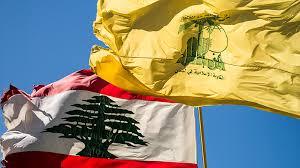
News Ghana described a ten-day cessation of hostilities between Israel and Lebanon that came into effect on April 16, 2026, following US-brokered direct talks in Washington on April 14, the first direct talks between the two countries in three decades, and it said a second session between the Lebanese and Israeli ambassadors to the United States was scheduled for Thursday in Washington to discuss extending the truce and broader border arrangements.
L’Orient-Le Jour said a meeting was expected at the State Department in the evening between Lebanese and Israeli ambassadors in Washington as part of direct negotiations between the two countries, and it also said that “According to the French foreign minister, there would be 'no doubt' that negotiations would not occur without France's intervention.”
At the same time, Hezbollah and allied outlets condemned the killing as a deliberate crime, with Al-Manar TV quoting a Hezbollah media relations statement that said Hezbollah “condemns in the strongest terms the treacherous and brutal crime” committed against Lebanese journalists.
The Arabic-language Saba report said Hezbollah described the killing as “a fully-fledged and heinous crime,” and it asserted that it “confirms the depth of the deep-seated hatred this Zionist entity harbors.”
PressTV similarly reported condemnations from Palestinian resistance movements and Hezbollah, quoting Ali Baraka, head of Hamas' National Relations Abroad, calling the targeted killing a horrendous crime designed to silence voices that expose the atrocities of the Zionist occupiers.
More on Lebanon
Lebanon Seeks One-Month Ceasefire Extension With Israel in Washington Talks Hosted by Marco Rubio
16 sources compared
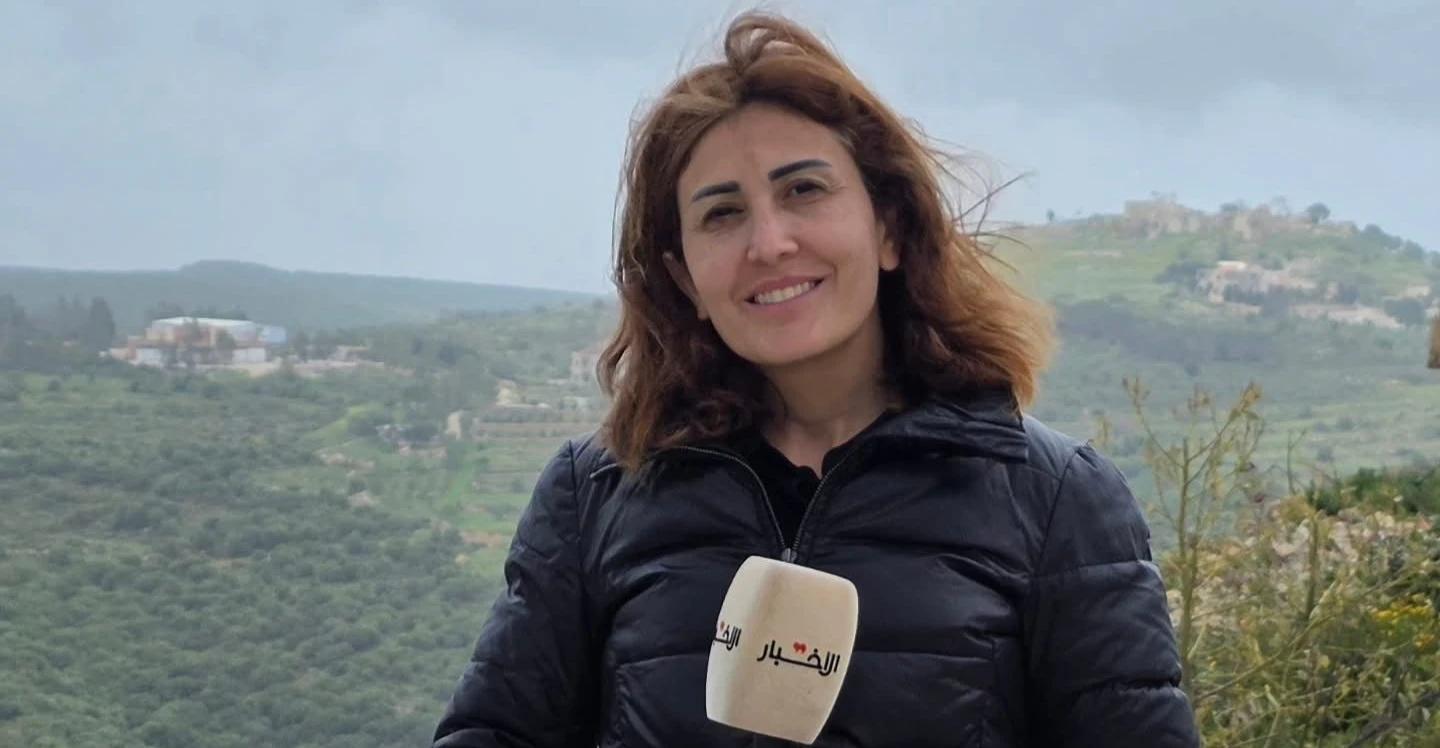
Israeli Strikes Kill At Least Four In At-Tiri, Lebanon, Leaving Journalist Amal Khalil Trapped
17 sources compared
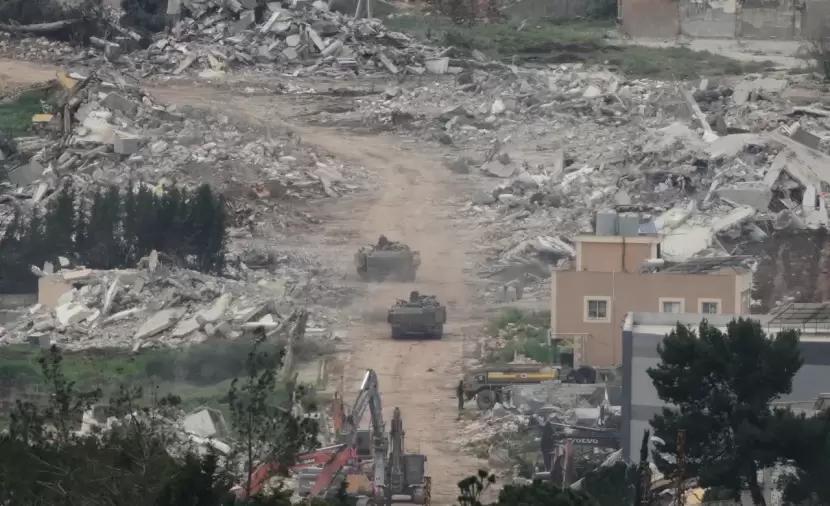
Israeli Forces Launch New Demolition Operations in Shamaa After April 17 Cease-Fire
10 sources compared
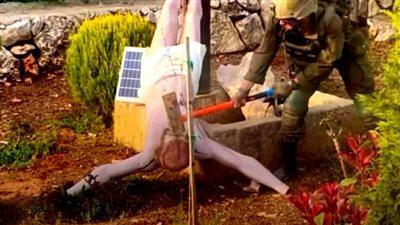
Israel Jails Soldiers After Sledgehammer Vandalism of Jesus Statue in Debl, Lebanon
29 sources compared