Lebanon11 October, 20252 min read
Israel Kills One, Injures Seven in Airstrikes on Southern Lebanon Infrastructure
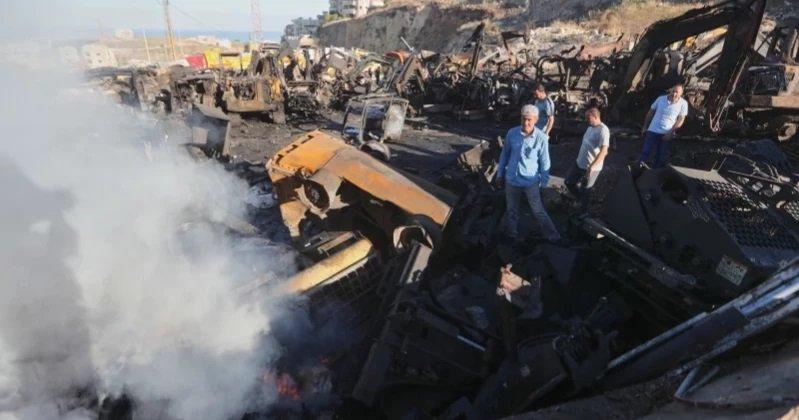
Israeli airstrikes killed one person and injured seven in southern Lebanon. The strikes targeted heavy machinery yards and destroyed over 300 vehicles.

10 outlets told this the same way.
Outlets did split on Lebanon’s Judiciary Prepares To Apply General Amnesty Law No. 70, Judge Ahmed Rami Al-Hajj Says →
Israeli Airstrikes in Lebanon
Israeli airstrikes before dawn hit the southern Lebanese village of Msayleh, killing one person and injuring seven. Multiple outlets reported damage to vehicles and a key road link as a result of the strikes. The target was described as a heavy machinery business and storage site.
“Israel conducted intense pre-dawn airstrikes on the southern Lebanese village of Msayleh, destroying numerous vehicles and killing one person while wounding seven others.”
Debris from the attack temporarily blocked a highway connecting Beirut to southern Lebanon and destroyed numerous vehicles. Several sources identified the location specifically as Msayleh and noted that the victims included both Syrian and Lebanese nationals. Some reports named the deceased as a Syrian citizen.

Israeli Strikes and Reactions
Israel’s stated rationale across reports is that the strikes targeted heavy equipment allegedly used by Hezbollah to rebuild military infrastructure. At least one West Asian outlet highlights Lebanese political condemnation and additional drone activity. Western mainstream and Asian sources emphasize the targeting claim and near-daily operations.
A West Asian source reports Lebanese President Joseph Aoun condemned the strike as “blatant aggression” and warns Israel may be trying to expand the conflict. The same source also notes drone flights over Beirut and a separate drone attack near a school in Qalaouiyeh that killed one person.

Post-Ceasefire Strike Coverage
Coverage situates the strikes within a contested post-ceasefire environment. Several outlets say a US-brokered truce ended a 14-month Israel–Hezbollah war last November and that Israel has carried out nearly daily strikes since.
“Since the 14-month Israel-Hezbollah war ended with a US-brokered ceasefire in late November, Israel has carried out almost daily airstrikes, accusing Hezbollah of trying to restore its military capabilities...”
One West Asian source instead references a Gaza ceasefire, asserts the ceasefire was reached in November 2024 with terms requiring Israel’s withdrawal from southern Lebanon, and claims only a partial pullback. One Asian outlet further notes over 100 civilian deaths since the ceasefire while calling for renewed peace efforts, a detail others do not quantify.
Conflict Origins and Casualties
Accounts differ on how the broader conflict reignited and on casualty framing. Western mainstream and some other sources tie the latest war’s start to October 2023 after an attack on Israel led by Hamas. Asian outlets say the conflict began when Hezbollah fired rockets across the border.
Across outlets, totals cite over 4,000 deaths in Lebanon and 127 in Israel. One Asian source emphasizes that many of the Lebanese dead were civilians.

International Reactions and Context
International reactions and context stress the fragility of the situation and competing narratives over legality and escalation risks. Multiple outlets note UN calls for renewed peace efforts. One West Asian source quotes Lebanese leadership calling the strike “blatant aggression” and warning of attempts to expand the conflict.
“The U.N. has called for renewed efforts to end ongoing hostilities, noting over 100 civilian deaths since the ceasefire.”
Another analysis highlights Lebanon’s economic and political crises, UNIFIL and Resolution 1701 violations. This analysis asserts the strikes were in response to rockets attributed to Hezbollah, framing the action as retaliatory rather than preventive infrastructure targeting.