Iran-Israel19 October, 20253 min read
Israel Launches Air and Artillery Strikes on Southern Gaza After Hamas Attacks IDF Troops Violating Ceasefire
Israel launched air and artillery strikes in southern Gaza targeting Hamas positions. Israeli military stated strikes were retaliation for Hamas attacks on IDF troops in Rafah.

18 outlets told this the same way.
Outlets did split on U.S. Intercepts Iran Message Activating Sleeper Cells After U.S.-Israel Strike Kills Khamenei →
Recent Gaza Conflict Escalation
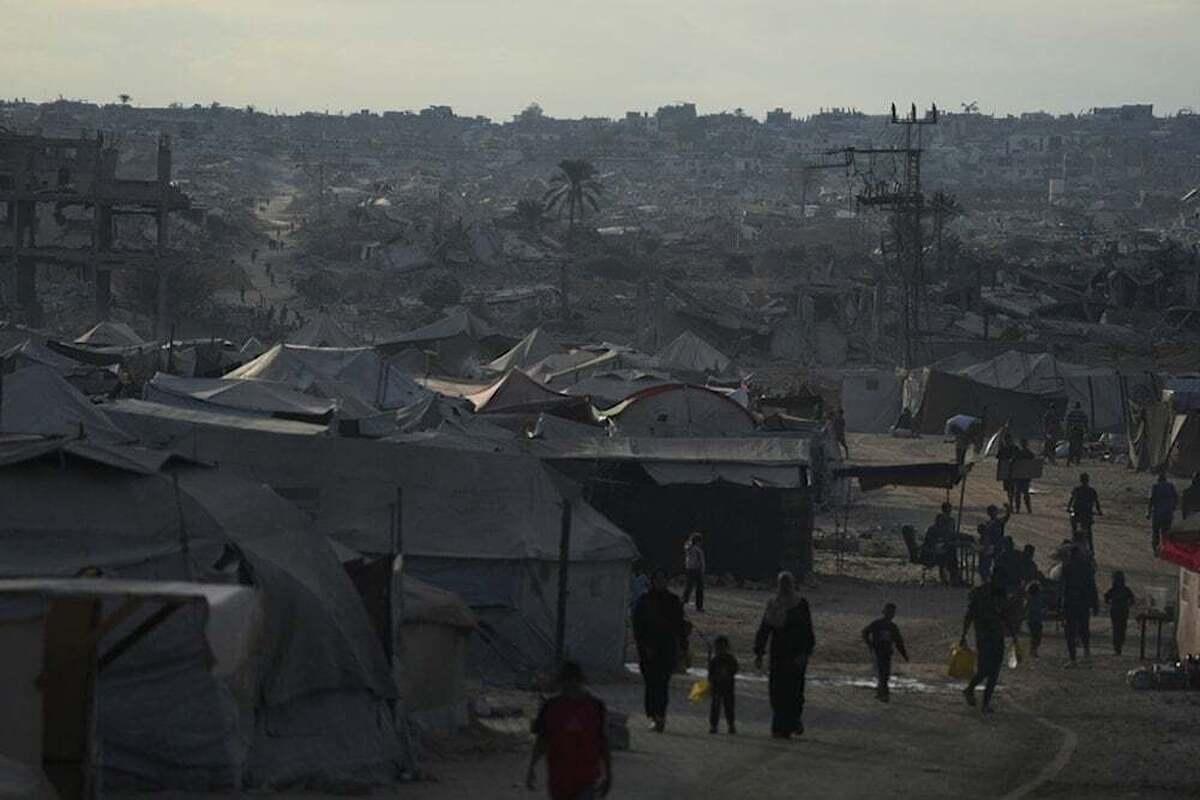
Israel launched air and artillery strikes across southern Gaza after what it described as fire on its troops near Rafah. Each side accused the other of breaching a fragile ceasefire. Israel’s military said it hit tunnel shafts and military structures following anti-tank missile and gunfire near Rafah.
“The IDF confirmed it conducted strikes in southern Gaza after accusing Hamas of violating the fragile ceasefire by firing an anti-tank missile and gunfire near Rafah.”
Prime Minister Benjamin Netanyahu ordered strong responses to any violations but stopped short of threatening renewed war. The group denied involvement in the Rafah clashes and accused Israel of using pretexts to justify strikes. Alternative media reported at least nine Palestinians killed in strikes across Rafah, Jabalia, Deir al-Balah, and Nuseirat.

Israeli media and officials framed the action as a response to a ceasefire breach. Western mainstream outlets noted ongoing violence despite the US-brokered truce and mutual accusations of violations.
Ceasefire and Conflict Updates
The strikes unfolded against the backdrop of a US-brokered truce that has seen prisoner exchanges, partial Israeli withdrawals, and aid deliveries, yet persistent clashes and casualty reports. Gaza’s media office alleges 47 Israeli ceasefire violations causing 38 deaths and 143 injuries, while the BBC reports at least 35 killed and 146 injured in Gaza since the truce began—illustrating differing tallies and timeframes.
Western tabloids emphasize Israel’s ongoing limited operations and threats of severe retaliation, while Asian outlets and local officials highlight reported civilian tolls and calls for international intervention. Israeli strikes were also reported in Nuseirat, where three people were killed and others injured, underscoring the fragility of the ceasefire.
Rafah Crossing and Hostage Remains
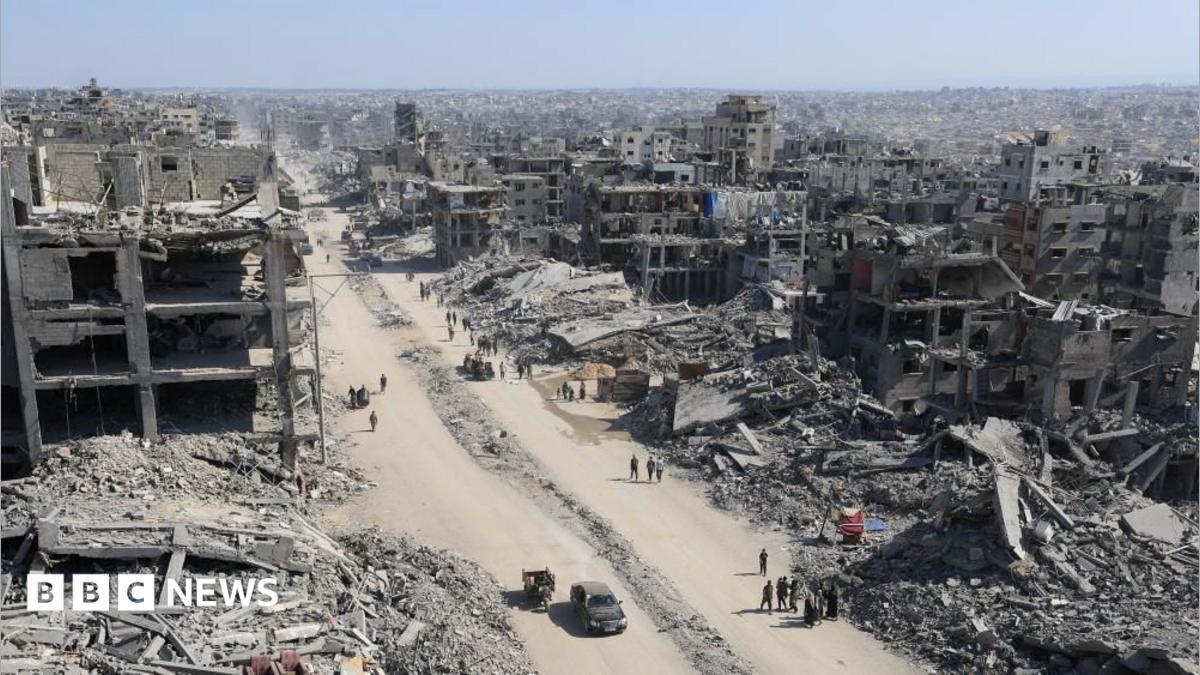
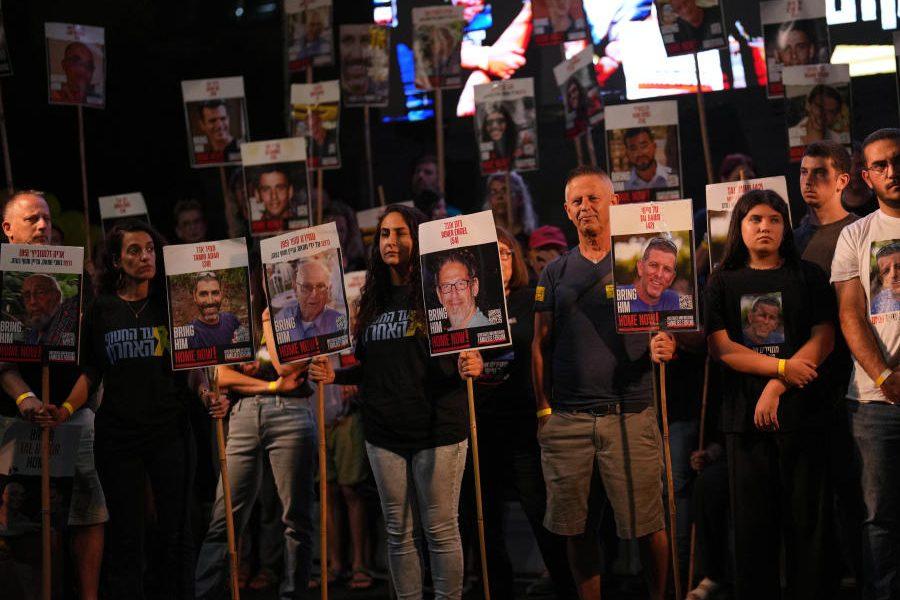
A core flashpoint is the Rafah crossing and the handling of hostages’ remains. Israel has threatened to keep Rafah closed until Hamas returns all 28 deceased hostages’ bodies. Alternative and mainstream Western outlets likewise note the crossing remains shut amid disputes over bodies and aid.
“Israel also threatened to keep the Rafah border crossing with Egypt closed until Hamas fulfills its ceasefire obligation to return the remains of all 28 deceased hostages.”
Counts differ on the remains returned: some report 12 of 28 so far, while others note 13 bodies handed over with 12 identified. The ICRC has facilitated transfers of some remains.
Hamas condemns the closure as a ceasefire breach. Alternative media accuse Israel of violating the truce by restricting humanitarian aid and maintaining the closure.
Rafah Clash and Conflicting Reports
Accounts of the Rafah clash itself diverge. Israel alleges an attack on its troops involving anti-tank fire or an RPG and sniper fire, while Hamas denies involvement. Alternative media reported the incident occurred inside Gaza beyond the “Yellow Line” and linked a preceding explosion in an Israeli military vehicle to a possible Hamas attempt to target an Israeli-backed gang accused of stealing aid.
Western tabloids and Asian outlets also relay US claims of a planned Hamas attack on Gazan civilians, claims Hamas rejects as propaganda. Casualty reporting since the truce varies from at least nine Palestinians killed in Sunday strikes to broader counts of 35 killed since the ceasefire began. Hamas leaders publicly condemn what they call “unfounded pretexts” for Israeli strikes.
Ceasefire Prospects and Challenges
Looking ahead, sources diverge on the ceasefire’s next steps and political horizon. Asian outlets and Western mainstream sources say future phases contemplate Hamas disarmament, Israeli withdrawals, governance arrangements, and possibly an international stabilization force. One tabloid notes a 20-point plan that excludes Hamas from governing Gaza.
“Future ceasefire phases will address disarming Hamas, Israeli withdrawal from Gaza areas, and governance of the territory.”
Netanyahu vowed strong action against terror targets but, according to Asian reporting, stopped short of threatening renewed war. Some Israeli ministers push for renewed military action. Disputes over humanitarian access, reconstruction, and who governs Gaza remain unresolved, keeping the truce highly volatile.