
Israel Launches Airstrikes on Iran After Iranians Fire Missiles at Northern Israel
Key Takeaways
- Iran fired missiles at northern Israel, first bombardment since fragile ceasefire.
- Israel launched airstrikes targeting Iran, including a petrochemical plant in Mahshahr.
- The exchanges risk undermining the fragile ceasefire and triggering wider regional escalation.
Missiles, strikes, and timing
Israel launched airstrikes on Iran after Iranians fired missiles at northern Israel in the first exchange of fire between the two countries since a ceasefire was reached on 8 April, raising fears of a return to a full-scale regional war.
The Israeli strikes included a strike on an Iranian petrochemical complex, and Iranian state television reported the sound of explosions being heard in Isfahan, Karaj, Tabriz and Tehran.

Iran’s Islamic Revolutionary Guard Corps (IRGC) said Israel used air-launched ballistic missiles in its attack on Monday morning, and the IRGC said it had targeted two military bases in Israel as part of Operation Nasr, or “Victory”.
A senior U.S. official told Associated Press that Trump had called Netanyahu to urge him not to retaliate immediately after the Iranian missile attack, saying Trump believed he had convinced Netanyahu to wait.
In a message on his Truth Social platform on Monday, Trump wrote: “Israel and Iran must immediately stop ‘shooting’. President DONALD J. TRUMP.”
De-escalation promises and conditions
After the missile exchange, Iran declared an end to its military operations against Israel, while Israeli Prime Minister Benjamin Netanyahu said in a video that Israel's fire against Iran is "on hold" but warned that if Iran attacks again, “we will respond with force.”
Trump demanded the two countries "immediately stop shooting," and NPR reported that Israel and Iran pledged Monday to stop attacking each other only hours after they exchanged missile fire.

The Guardian reported that Israeli strikes came in apparent defiance of Donald Trump, who told Israel’s prime minister, Benjamin Netanyahu, that he did not think Israel needed to respond further, adding that Netanyahu did not “call the shots”.
NPR said Iran cited Israel's operations against Hezbollah as the reason it unleashed a missile barrage on Israel, first on Sunday night and again on Monday morning, and Iran warned that if Israel kept up attacks in Lebanon, Iran's military would respond with "much harsher and more forceful actions than before."
The BBC also framed the initial escalation as Israel saying Iran launched missiles at it in the first such bombardment since a fragile ceasefire took effect in early April, with sirens sounding in several areas of Israel as people ran for shelter.
Energy threats and negotiation pressure
Euronews reported that an unnamed IRGC source warned that any new attack on Iran's energy infrastructure would be met with strikes on energy assets in the region after Israel bombed the Karun petrochemical complex in Khuzestan and the IRGC replied within an hour by striking facilities in Haifa.
Euronews said the IRGC warned that Israel “launched a dangerous game” by targeting civilian energy infrastructure, and it described Haifa as Israel's main industrial port and the center of its petrochemical sector, home to Bazan Group's oil refinery.
The Guardian reported that Trust between Iran and the US has been at a minimum for a long time, but if Tehran feels there is evidence the White House covertly endorsed the Israeli attack, it said consequences are likely for stalled peace talks that Trump has claimed could end in a deal in days.
The Guardian also reported that Iranian officials rejected any suggestion that Netanyahu had defied an instruction from Trump, with Esmaeil Baqaei saying: “No one believes that the Zionist regime would carry out any action without prior coordination and cooperation with the United States,”.
NPR added that Trump had said on "Meet the Press" that the U.S. and Iran were "very close" to a deal to end the war and reopen the Strait of Hormuz, while also noting that some points were still being negotiated.
More on Iran
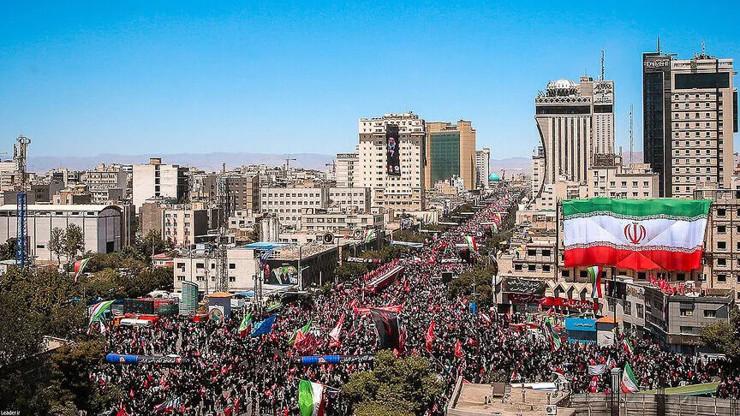
Israeli Strike Kills Ayatollah Ali Khamenei, Buried at Imam Reza Shrine in Mashhad
19 sources compared
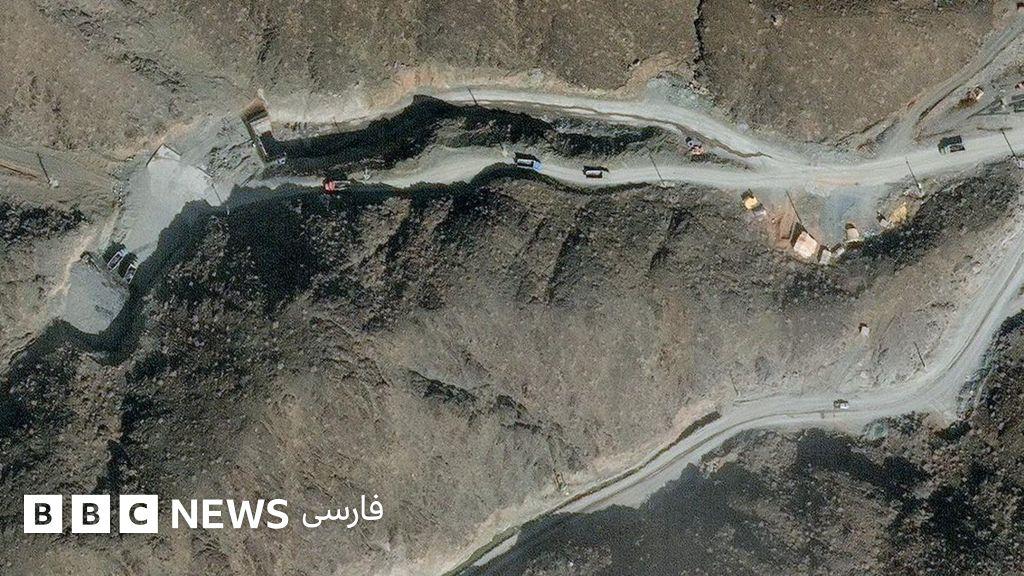
Iran Attempts To Restore Nuclear Sites Damaged In US And Israel Strikes, CNN Satellite Images Show
15 sources compared
Abbas Araghchi and Prince Faisal Bin Farhan Discuss Regional Developments After US Attacks
11 sources compared

Trump Says U.S. Agreed to Continue Iran Talks, Ceasefire Is Over
19 sources compared