Iran-Israel03 March, 20262 min read
Israel Launches Broad Wave Of Strikes On Tehran, Hits Presidential Office Complex
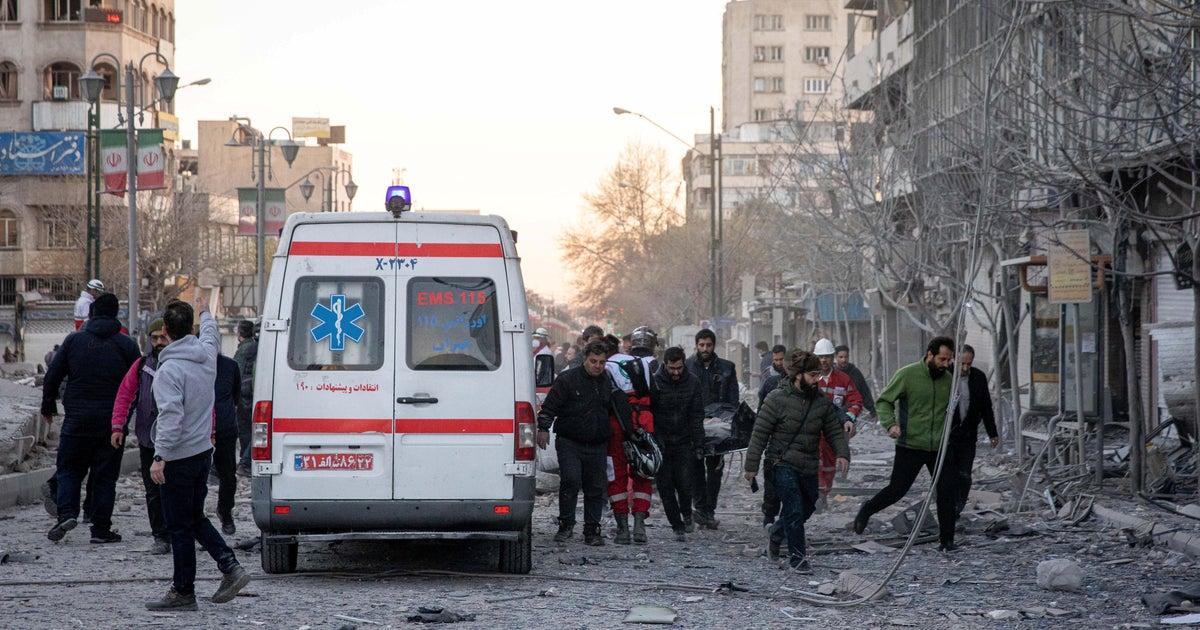
Israel conducted a broad wave of airstrikes across Tehran, striking the presidential office complex Israel’s defense minister warned Khamenei’s successor would be a target for assassination

25 outlets told this the same way.
Outlets did split on U.S. Intercepts Iran Message Activating Sleeper Cells After U.S.-Israel Strike Kills Khamenei →
Air strikes on Iran leadership
Israel and the United States launched a major air campaign described by multiple outlets as a 'broad wave of strikes' against government and regime targets in Tehran. Reports said the presidential office complex and other leadership facilities were hit amid explosions across Iranian cities.
“Israel says it has launched a ‘broad wave of strikes’ inside Iran, with Iranian state media reporting explosions in Tehran and at least one residential building hit.”
Israeli authorities confirmed expanded operations aimed at Iran's political and military leadership. State and regional outlets reported strikes on clerical and command sites in Qom and Tehran as part of the offensive.

Reports on Khamenei strikes
Iranian state media and several international reports said the strikes killed Supreme Leader Ayatollah Ali Khamenei and prompted Tehran to begin three days of official funeral ceremonies. Some outlets also reported Mojtaba Khamenei as a frontrunner to succeed his father, though official Iranian confirmation of succession arrangements was inconsistent across reports. State and opposition-linked outlets gave differing accounts of casualties and the status of leadership bodies amid intense confusion.
U.S. and Israeli strikes
U.S. military officials reported a high-intensity campaign inside Iran. Central Command and other U.S. statements said nearly 2,000 Iranian targets were struck and that Iran's air defenses, missile stockpiles and naval assets suffered heavy damage.
“The US Central Command says its forces have struck nearly 2,000 Iranian targets with over 2,000 munitions, severely degrading air defenses, destroying hundreds of missiles, launchers and drones, and sinking 17 Iranian warships and a submarine.”
Those counts included reports of dozens of missiles, launchers and the sinking or destruction of Iranian warships. U.S. and Israeli officials framed the strikes as degrading Iran’s command-and-control and weapons capabilities while stressing the operation’s scope.
Regional conflict escalation
Israel intensified strikes in Lebanon that Lebanese officials said killed civilians and prompted evacuations. Missiles and drones struck or targeted Gulf facilities and U.S. positions.
Humanitarian actors warned of severe displacement and civilian harm, and reports cited dozens to hundreds of civilian casualties in multiple areas. UN and other sources described large-scale displacement and expressed alarm at strikes on schools and other civilian infrastructure.

Political reactions to strikes
The strikes and retaliatory rhetoric prompted sharp political reactions. Some Western leaders refused support for the campaign and warned of global risk. Spain’s prime minister publicly condemned the strikes and refused U.S. use of Spanish bases.
“Spain’s prime minister, Pedro Sánchez, has been the only major European leader to condemn the strikes, calling them illegal, reckless and a threat to global stability — ‘You cannot play Russian roulette with the destiny of millions.’ He refused US use of Spanish bases for the campaign and said Spain will not support a war even in the face of US trade threats from President Trump.”
Israeli officials warned any successor to Khamenei would be a target. U.S. leaders discussed escorts for shipping and continuing operations as the campaign broadened.