Gaza Genocide11 October, 20253 min read
Israel Refuses To Free Palestinian Leader Marwan Barghouti In Hostage Deal
Israel excludes Marwan Barghouti from the prisoner release list in the Gaza ceasefire deal. Israel will release approximately 250 Palestinian prisoners serving life sentences in exchange for hostages.
32 outlets told this the same way.
Outlets did split on Israel Marks Oct. 7 Anniversary With Strikes on Gaza, Netanyahu Faces Election After Nova Tribute →
Prisoner Exchange and Barghouti
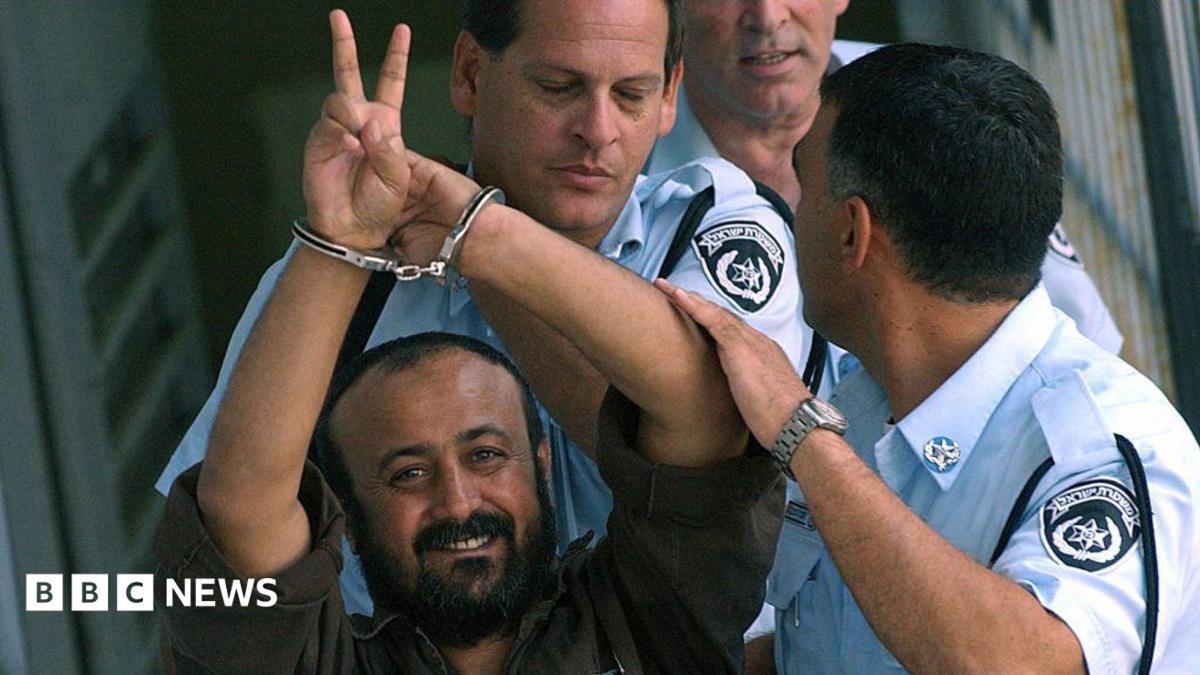
Israel has refused to include Marwan Barghouti in the prisoner list tied to the latest Gaza ceasefire–hostage deal, even as Hamas insists he must be freed. Barghouti is serving multiple life sentences for attacks that killed Israelis; Israel labels him a terrorist, while many Palestinians regard him as a unifying national leader and advocate of a two-state solution, often compared to Nelson Mandela.
“Israel agreeing to release around 250 Palestinian prisoners and about 1,700 detainees held without charge, while Hamas will free approximately 20 Israeli hostages. However, Israel has excluded Marwan Barghouti...”
Multiple outlets report Hamas will release Israeli hostages while Israel frees hundreds of Palestinian prisoners, but Barghouti’s name is absent despite his central political weight. Several reports also note most prisoners under consideration were convicted during the Second Intifada, and many of those who are released will be sent to Gaza or into exile, underscoring Israel’s control over the terms of release and movement.
Hostage and Prisoner Exchange Details
Across sources, the scale and composition of the exchange vary widely. Multiple Asian and local Western reports say Hamas will release about 20 Israeli hostages while Israel frees roughly 250 Palestinian prisoners. Some reports add that Israel will also release about 1,700 detainees held without charge.
Western Alternative and West Asian outlets describe larger or different swaps. Middle East Eye reports Hamas seeks about 2,000 Palestinian prisoners plus the return of 28 bodies in exchange for around 20 living captives. Kurdistan24 says a plan aims to free all 47 hostages in return for 1,950 Palestinian prisoners.

Western mainstream coverage notes Israel published a list of 250 prisoners but excluded figures like Barghouti and, in some accounts, Ahmad Saadat. These exclusions signal disputes that could delay implementation.
Reasons Behind Barghouti's Detention
The reasons why Israel refuses to free Barghouti are framed in various ways. The Associated Press highlights Israel's fear of repeating the 2011 Sinwar release. Israel worries that a freed Barghouti could energize resistance and leadership.
“Israel has excluded Barghouti from the prisoner release list, citing security concerns and fearing his political influence among Palestinians.”
Local Western sources say Israel also fears Barghouti’s political influence among Palestinians. They note his potential to unify Fatah and the broader Palestinian society. Asian analysis adds that even Mahmoud Abbas opposes Barghouti’s release due to rivalry within Palestinian factions.
Several reports mention that Israel plans to exile many released prisoners to Gaza or abroad. This strategy would further limit their ability to organize in the West Bank.
Overview of Gaza Conflict Impact
The broader context is Israel’s devastating war on Gaza. BBC reports that Israel’s military offensive has killed over 67,000 Palestinians. CNN adds that Israeli airstrikes continued even after the ceasefire announcement, killing at least 27 people that day.
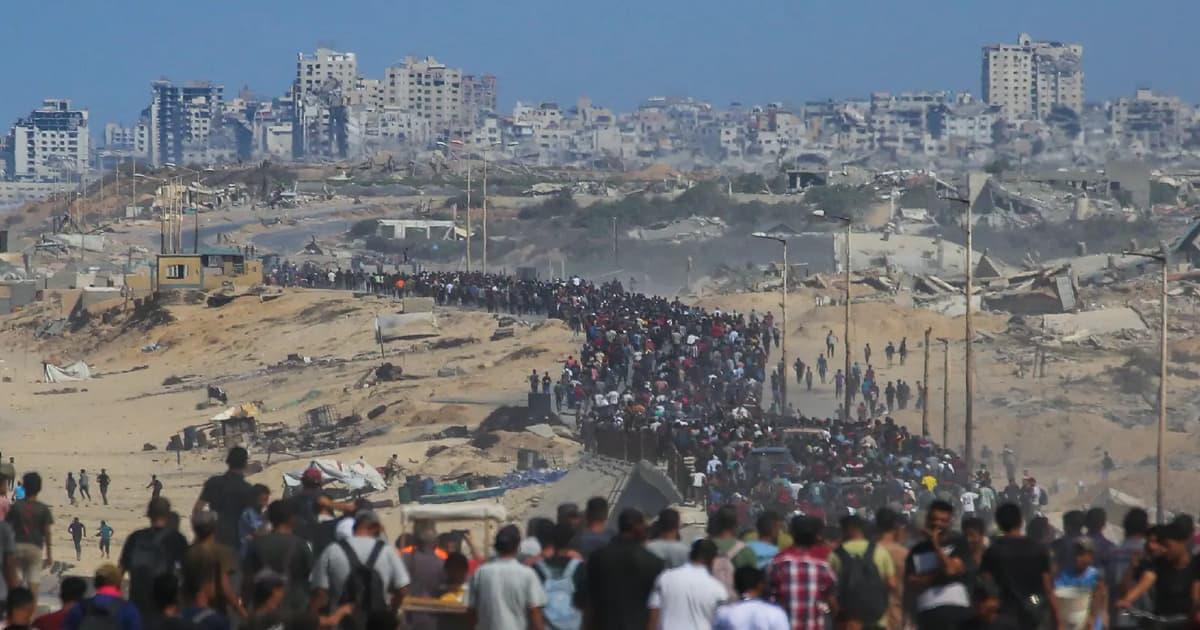
BBC also notes a partial Israeli withdrawal and the daily entry of hundreds of aid trucks. Hundreds of thousands of Palestinians are returning to shattered Gaza City. Western Alternative coverage stresses that negotiations are shaped by demands to free high-profile prisoners.

Israel maintains carceral control over Palestinian leaders. This deal unfolds amid Israel’s sustained killing and displacement. Some outlets say strikes have decreased since the ceasefire began.
Overview of Peace Deal Perspectives
Who is brokering and shaping the deal varies depending on the source. Western mainstream CBC describes a sweeping U.S.-backed plan under President Donald Trump that includes a transitional government excluding Hamas and a "Board of Peace" chaired by Trump. BBC states that the deal was proposed by Trump.
“The article reports on a recent ceasefire agreement between Israel and Hamas, brokered by the U.S. under President Donald Trump... plans for a transitional government... overseen by a ‘Board of Peace’ chaired by Donald Trump.”
CNN reports that U.S. envoys Jared Kushner and Steve Witkoff brokered the deal and that Israel intends to retain control over 53% of Gaza. West Asian and other outlets also emphasize Trump's role in the deal.
Many Asian and local Western reports focus more on prisoner lists and Barghouti’s exclusion rather than governance plans. This difference reflects divergent editorial focuses between big-power diplomacy and the prisoner politics driving the talks on the ground.