Gaza Genocide01 November, 20252 min read
Israel Rejects Hamas Remains as Hostages, Hamas Vows to Recover Bodies from Gaza Zone
Israel confirmed three bodies received from Hamas do not belong to any hostages. Hamas vowed to recover Israeli hostage bodies within Gaza’s 'yellow line' zone.
13 outlets told this the same way.
Outlets did split on Israel Marks Oct. 7 Anniversary With Strikes on Gaza, Netanyahu Faces Election After Nova Tribute →
Hostage Bodies and Conflict Updates
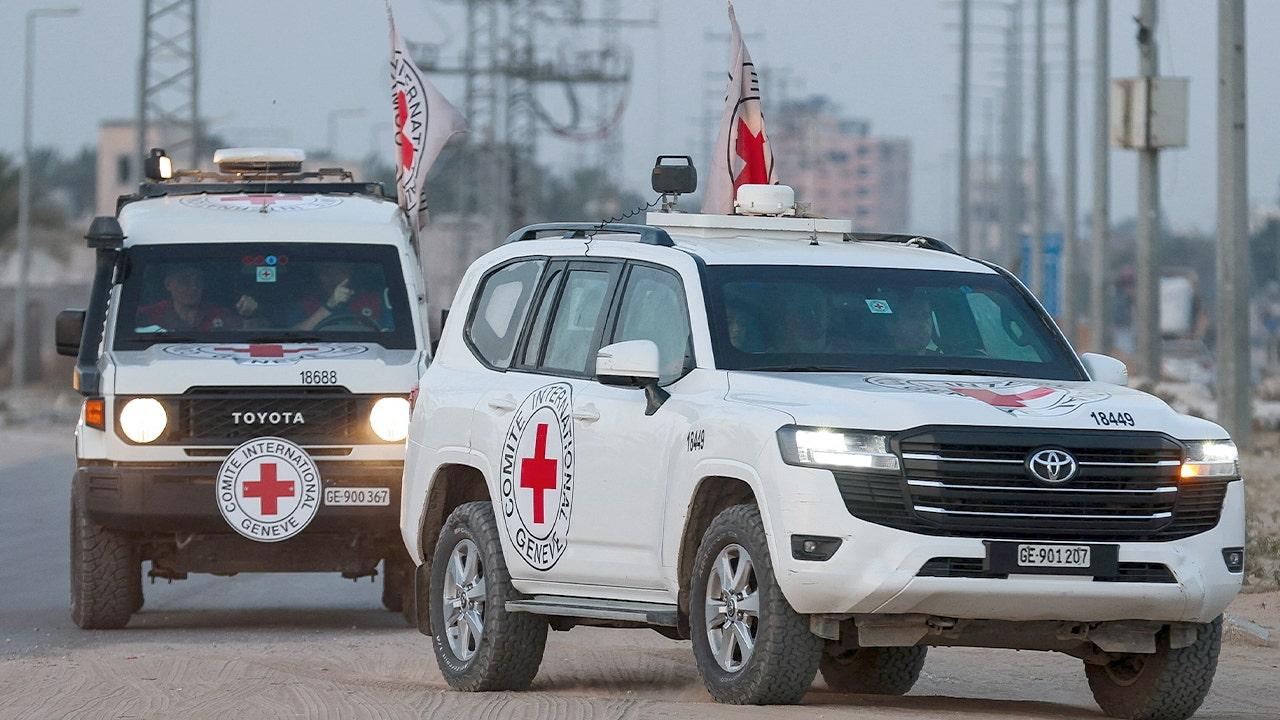
Israel said the three bodies Hamas handed over via the Red Cross are not the remains of Israeli hostages, citing forensic analysis. Hamas said it delivered unidentified bodies to avoid disputes and because Israel refused to accept samples for testing. Western mainstream outlets emphasized Israel’s forensic findings and official confirmations.
“Israel’s military confirmed through forensic analysis that the three bodies handed over via the Red Cross were not among the deceased captives expected under the ceasefire deal.”
Asian outlets highlighted continuing Israeli strikes during the fragile US-brokered truce in place since October 10. Reported counts differ: several sources note Hamas has returned 20 living hostages and at least 17 bodies. Israel accuses Hamas of delays and violations tied to partial remains.

Hamas says Gaza’s devastation has made body recovery difficult. Hamas asked mediators and the Red Cross to help locate and extract remains under rubble.
Ceasefire and Body Recovery Efforts
Hamas vowed to recover more bodies inside Gaza, stating that its Qassam Brigades are ready to enter the “yellow line” zone marked by the ceasefire to retrieve remains. It urged mediators and the Red Cross to provide heavy equipment to dig through multiple sites. Israel is conditioning any move to the ceasefire’s second phase on receiving all bodies first, including before releasing nearly 2,000 Palestinian prisoners and starting reconstruction.
UPI reports that the International Committee of the Red Cross clarified that finding and returning bodies is the responsibility of the parties involved, not the Red Cross. Western and Asian outlets detail disputes over Israel’s rejection of DNA samples and insistence on complete remains before recognition. These sources also outline competing visions for the next stages, ranging from disarming Hamas and establishing a transitional authority to creating a UN-mandated or Arab-led stabilization force.

Ongoing Conflict and Casualties
Despite the truce, Israel has continued to strike Gaza. Asian outlets explicitly report Israeli air and naval attacks in the south and ongoing gunfire. West Asian outlets say those Israeli attacks have produced significant Palestinian casualties, including hundreds killed even after the ceasefire began.
“Both sides reported ceasefire breaches, with recent Israeli air and naval strikes in southern Gaza and ongoing gunfire.”
Some Western mainstream coverage relays reports of strikes without directly attributing them to the Israeli military. These casualty figures are paired with competing counts of returned remains—another point of dispute Israel uses to pressure for more bodies before moving forward.
Conflicting Perspectives on Conflict Resolution
What comes next is contested. Western Mainstream and Asian outlets outline unsettled steps such as disarming Hamas, setting up a transitional authority, and deploying a stabilization force. This stabilization force is sometimes framed as Arab- and Muslim-led, and other times as requiring a UN mandate.
West Asian and Other outlets emphasize Israel’s insistence on receiving all bodies first before prisoner releases and reconstruction. Separate Western Mainstream reporting documents alleged Israeli war crimes and crimes against humanity against Palestinian detainees at the IDF-run Sde Teiman facility.
This abuse narrative is largely absent from the hostage-remains coverage. Meanwhile, some Western Alternative and other outlets publish unrelated content, showing how fragmented coverage can obscure the stakes on the ground.