Full story
Prisoner exchange begins
Israel released five Lebanese detainees from Israeli custody in a deal tied to Lebanon’s cooperation in searching for the remains of Lebanese Jews who disappeared during the civil war, with the first handover involving Malek Ghazi confirmed by the International Committee of the Red Cross (ICRC).
“After their interrogation was completed, it became clear that they are civilians who are not members of any terrorist organization”
The DW report said Ghazi was handed over to the Lebanese army in the city of Tyre, Lebanon, after Netanyahu’s office stated that “After their interrogation was completed, it became clear that they are civilians who are not members of any terrorist organization.”

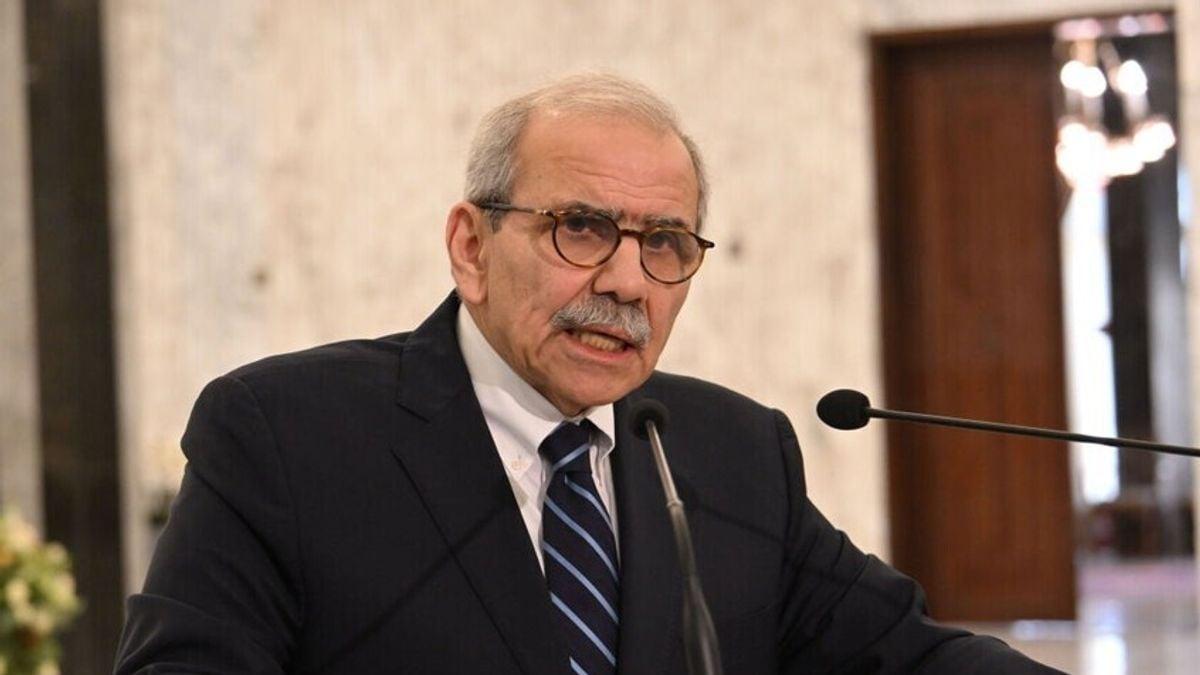
Lebanon’s Prime Minister Nawaf Salam said, “We will continue working until all our prisoners are released, the fate of the missing is revealed, and a complete Israeli withdrawal from Lebanese territory is achieved,” while the US State Department said the releases were the “result of US-led mediation between two legitimate governments.”
The releases were also framed as part of a broader negotiation that remains stalled on Israeli withdrawal and Hezbollah disarmament, with DW noting that Hezbollah insists it will not give up its weapons in any area north of southern Lebanon’s Litani river.
In parallel, the Al Arabiya TV account said the ICRC told it it had received a Lebanese prisoner from Israel at the Rosh Hanikra crossing and handed him over to the Lebanese army, while Reuters-linked sources said Israel had already released Malek Kamal Gazi and that four others were expected to be handed over in the coming hours.
Families, missing, and access
At the Naqoura border crossing and the Tyre checkpoint, Associated Press journalists saw an ICRC convoy heading toward Naqoura and later returning, after which the convoy entered a Lebanese army barracks in Tyre to receive released prisoners.
AP quoted Mahmoud Ayash, the brother of prisoner Hussein Ayash from the village of Harouf, saying, “I hope all our prisoners in Israeli prisons will be released and for all Lebanese citizens to be liberated,” as Hussein Ayash returned home and villagers threw rose petals on his head.

The ICRC said in a statement that it had transferred the remaining prisoners to it on Friday, and called for its teams to be granted access to detainees held in Israel, noting it has not had access since October 2023.
The AP report also described missing detainees from Halta, where Issa Abdel-Al said Israeli forces raided the area early Thursday, interrogated residents, and seized a member of the municipal council and two other local men, while the Israeli military said the soldiers “apprehended three military operatives of the Lebanese Resistance Brigades organization, which operates on behalf of Hezbollah.”
In a separate account, Anadolu said Lebanese authorities received four prisoners released by Israel—Ali Shour and Hussein Ayash for Lebanon, and Asaad Al-Husayka and Wissam Ibrahim Al-Samaoui for Syria—after a Red Cross convoy headed to the Ras al-Naqoura border area and then transported them to the Al-Mansouri area south of Sidon.
Negotiations hinge on remains
The releases were repeatedly linked to the search for remains of Jewish community leaders abducted and murdered in the mid-1980s, with The Jerusalem Post saying Israel asked Lebanon to provide “concrete information” and take specific steps to help locate the bodies of the “12 Royal Martyrs.”
“concrete information”
The Jerusalem Post also reported that Israel’s requests were made in coordination with US Ambassador to Lebanon Michel Issa, and that Israel’s delegation to talks in Rome included Ambassador to the US Yechiel Leiter, National Security Council Adviser Shmuel Ben-Ezra, and Coordinator for Prisoners and Missing Persons Brig.-Gen. (res.) Gal Hirsch.
In Washington, the US State Department said the releases were intended to serve as “a basis for expanded discussions on other civilian issues,” while the DW account described the broader framework as a US-mediated deal in June under which Israeli forces were to withdraw from southern Lebanon in exchange for the disarmament of Hezbollah.
The Al Arabiya TV report said the framework agreement included commitments to work toward releasing detainees, locating remains, and returning them, and that it also provides for Israel’s eventual withdrawal from southern Lebanon with the Lebanese army taking control and the disarmament of Hezbollah—conditions rejected by the group.
Meanwhile, the Al Arabiya TV account said Netanyahu’s office tied the decision to release the five detainees to Israeli and Lebanese efforts to locate and return the bodies of Jewish community leaders in Lebanon who were kidnapped and killed in the mid-1980s during the Lebanese Civil War.