Lebanon31 August, 20263 min read
Nabih Berri Rejects Israeli Buffer Zone After Bombings in Khiam and Zawtar Al-Sharqieh
This article is an automated aggregation of coverage from news outlets. Our editorials offer in-depth analysis curated by the NewsCord team.
Nabih Berri rejects buffer zones in southern Lebanon and refuses negotiations with Israel under fire. He affirms Lebanon’s right to pursue Israel legally and rejects experimental zones expanding occupation.
13 outlets told this the same way.
Al Jazeera was read line by line by the Watchdog: 1.6. See the score →
Berri rejects buffer zones
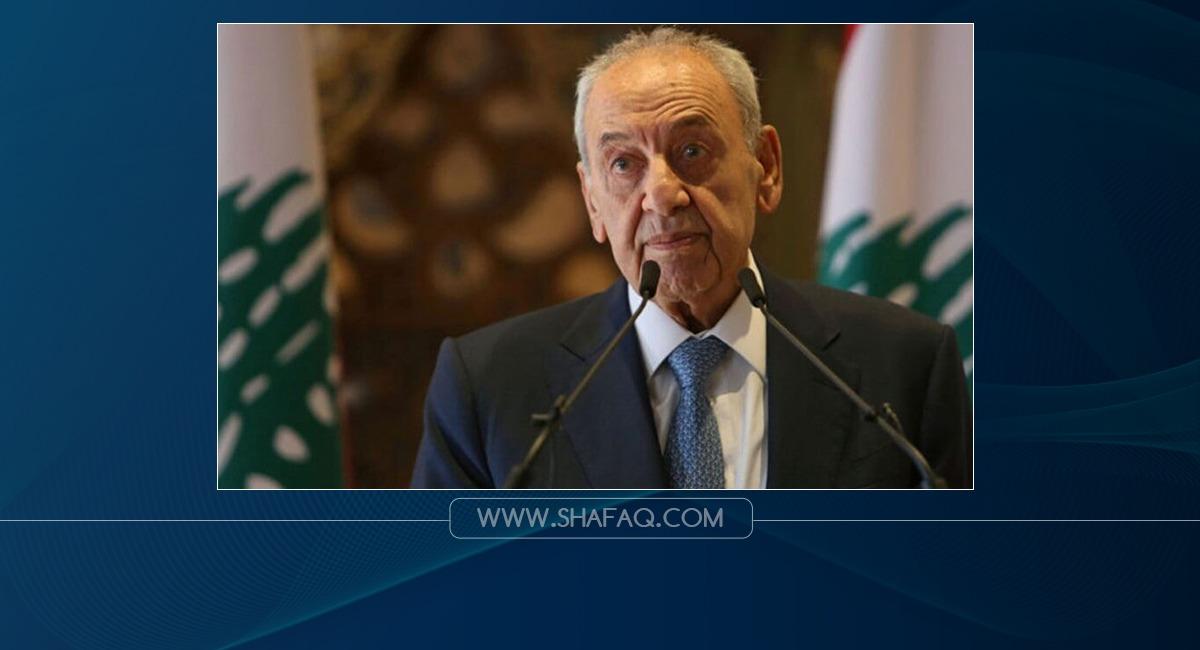
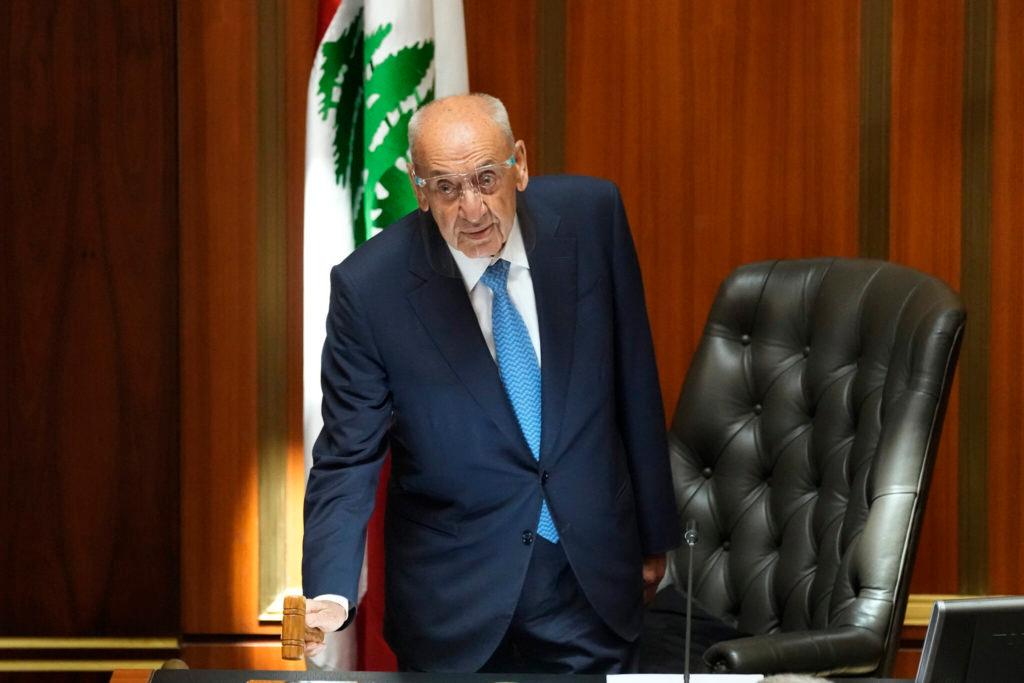
Lebanese Parliament Speaker Nabih Berri, speaking on the 48th anniversary of Imam Sayyed Moussa Al-Sadr’s disappearance, said “Israel” seeks sedition more than eradicating the resistance while Israeli bombings were carried out in Khiam and Zawtar Al-Sharqieh in South Lebanon. In a televised speech, Berri affirmed that “We will not accept the South becoming a buffer zone or a security zone,” and he said the responsibility for preserving the south and rebuilding what has been destroyed lies with the state and its military, security, and constitutional institutions. Berri also rejected direct negotiations with Israel “under fire,” saying that after seven rounds of negotiations the enemy expanded the occupied territory and continued its war.
The Daily Beirut described Berri’s position that civil peace and national unity are “red lines,” and it said he insisted on the central role of the Lebanese army in the face of attempts at instability. In parallel, Shafaq News said the seventh round of US-brokered Lebanon-Israel talks concluded in Rome on August 6 after three days of negotiations, with Lebanese media reporting no tangible progress on key issues.

Negotiations under fire
Berri told audiences that the war with Israel requires a national approach “far from any regional, partial, confessional, or sectarian consideration,” and he said the current stage does not give anyone the right to dispose of sovereign titles under any pretext. The Ash-Sharq al-Awsat report said Berri refused direct negotiations with Israel under fire, noting that “7 rounds of negotiations” had not yielded a result but rather “increased the areas of occupation, intensified destruction, and raised the number of martyrs.” Shafaq News reported that the talks were conducted under a US-brokered framework agreed on June 26 that provides for Lebanese Army deployment, Hezbollah’s disarmament, and a phased Israeli withdrawal, while Israel said it remains in a security zone until the threat from Hezbollah is removed.
Shinkhwa, citing Xinhua, said Berri warned against direct negotiations with Israel “under fire” and reiterated his rejection of the “framework agreement,” adding that after seven rounds the result was an expansion of occupation and destruction. Al-Arabiya Al-Jadeed also framed Berri’s stance as a rejection of experimental zones and the demilitarized zone, while warning against direct negotiations with Israel in the absence of national consensus.
UNIFIL mandate and risks
Beyond the negotiating dispute, Al-Yawm as-Sābi‘ reported that the United Nations Security Council rejected extending the mandate of the UNIFIL forces on Friday, August 28, based on a prior commitment to Resolution 2790. The same report said the development moves the region from “conflict management” under UN auspices to “redefining the battlefield rules by force,” and it warned that the absence of immediate linkage mechanisms and communication channels previously provided by UNIFIL increases the likelihood of sliding into a full-scale war. Al-Yawm as-Sābi‘ further described a substitute “tripartite framework” involving America, Israel, and Lebanon, aiming to strip the southern Litani River of any armed presence other than the Lebanese Army.
In its framing of stakes, the report said the danger could be a “security zone by force” north of the Blue Line, met with a comprehensive rocket response from Hezbollah, drawing the region into a substantive regional war or turning the border into a “hot and permanent military front.” Against that backdrop, Daily Beirut said Berri insisted that UN decisions protect Lebanon’s sovereign rights on all its territory in the south “under the protection of the Lebanese army and with the support of the UN forces, UNIFIL, as well as Resolution 1701.”