Full story
Ali Taher operational control
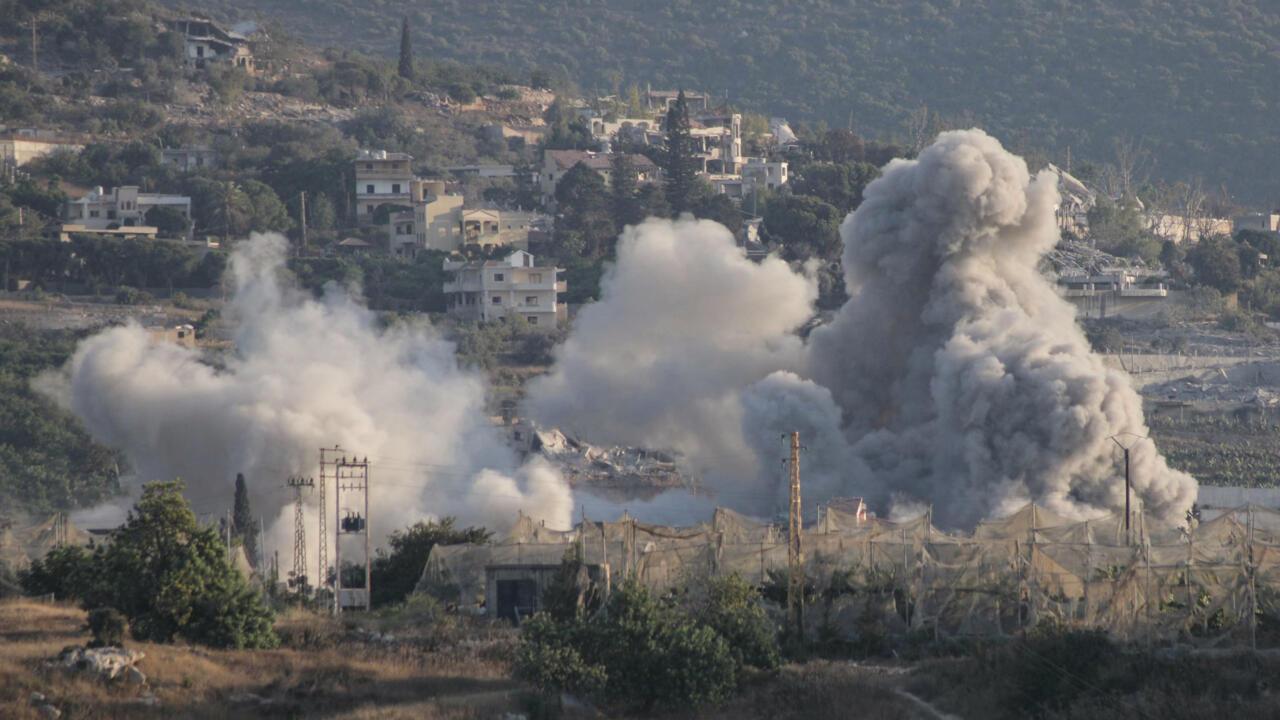
Israel’s military said it took “operational control” of the Ali Taher hill in southern Lebanon and a network of tunnels beneath it on Thursday night, as daily shelling and airstrikes continued in the area and Hezbollah repeatedly attacked Israeli forces there with drones.
“On Thursday night, Israel’s military announced it had taken “operational control” of Ali Taher”
The U.S. was mediating talks between Lebanon and Israel and had wanted Hezbollah to hand over the hill to the Lebanese army, but Hezbollah refused, with Lebanon and Israel reaching a framework agreement in June under which Israel would withdraw as Hezbollah is disarmed.
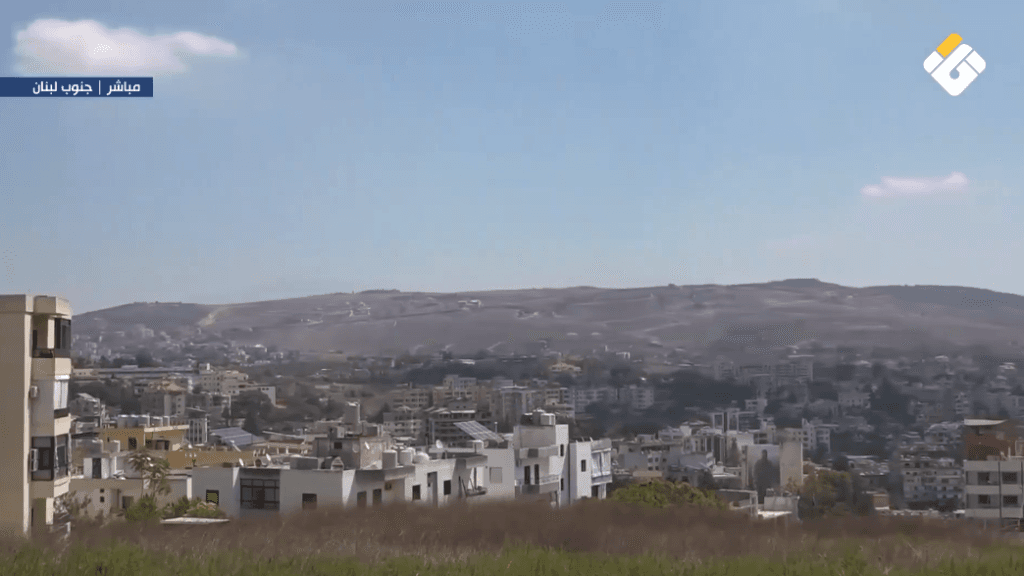
The hill overlooks villages and main roads leading to Nabatiyeh and sits north of the Litani river, which has become the de facto boundary of the area captured by Israel since its latest war with Hezbollah began in early March.
Israel said the hill housed underground command centers, weapons storage rooms, generators, living quarters, showers and a kitchen, and that it cleared Ali Taher of Hezbollah fighters while working to “neutralise underground infrastructure sites.”
A Lebanese podcaster interview in late August featured Hezbollah official Mahmoud Qamati saying, “Ali Taher is important, but if it is lost it does not mean the end of Hezbollah,” as the dispute threatened to escalate fighting across Lebanon.
Casualties and competing claims
In late Friday strikes, Lebanon’s health ministry said at least three people were killed and 23 wounded in Israeli airstrikes that hit five locations in the southern Tyre and Nabatieh regions and the eastern Beqaa Valley, after a Hezbollah drone attack on troops in Israeli-held territory in the country’s south.
The Times of Israel reported that Lebanon’s state-run National News Agency said two young men were killed while riding a motorcycle in the Nabatieh-area Ali Taher Ridge, and that another Israeli strike on the Tyre-area village of Rmadiyeh killed a third person and wounded 15 others, including two children, three women and six rescuers.

Mehr News Agency said Lebanon’s health ministry reported “three people were martyred and 23 wounded” in Israeli air raids on the south and east early on Saturday, while the Israeli military said it intercepted a Hezbollah drone fired toward its forces.
The Israeli military said its strikes targeted Hezbollah members and infrastructure and described the drone launch as a “clear violation” of the June Lebanon ceasefire deal, while the Hezbollah drone was shot down and no soldiers were hurt, according to The Times of Israel.
In a separate account of the same period, L’Orient-Le Jour said the Israeli army carried out bombardments in retaliation for a Hezbollah drone attack and reported that the toll from these strikes included “one dead and more than 20 injured” in an initial Health Ministry report.
Negotiations, detainees, and risk
The dispute over Ali Taher is tied to disarmament and withdrawal plans, with the U.S.-mediated framework agreement in June and U.S. ambassador to Lebanon Michel Issa saying Washington was ready to speak with Hezbollah if it agreed to disarm, while Hezbollah is unlikely to move without approval from Iran, its main backer.
“A full-on battle over this hill near the city of Nabatiyeh could escalate fighting across the country”
Lebanon’s Deputy Prime Minister Tarek Mitri told an Arab TV station in late August that the Lebanese army was ready to take over Ali Taher and accused Israel of blocking that move for its own political considerations ahead of Israeli national elections on Oct. 27, saying, “The problem is not in the Lebanese army’s readiness but in Israel’s stance.”
In parallel, Israeli statements about Ali Taher control came alongside a “surprising” statement from Netanyahu’s office that it would release five Lebanese citizens detained in southern Lebanon after it became clear they had no ties to armed groups, and the International Committee of the Red Cross announced the completion of moving the five released Lebanese to Lebanon.
L’Orient-Le Jour also reported that UNIFIL briefly blocked at Ghobeiry and that the municipality contacted the Lebanese army, which intervened and escorted the patrol, as combat aircraft continued to fly in the region’s airspace.
The stakes extend beyond the hill itself, with the U.S. News & World Report describing Ali Taher as a potential escalation point that could “escalate fighting across the country,” while the Times of Israel tied the strikes to Hezbollah drone attacks and the June ceasefire deal.