Gaza Genocide30 September, 20252 min read
Israel Undermines US Gaza Peace Plan by Imposing Conditions to Maintain Occupation and Control Over Gaza
This article is an automated aggregation of coverage from news outlets. Our editorials offer in-depth analysis curated by the NewsCord team.
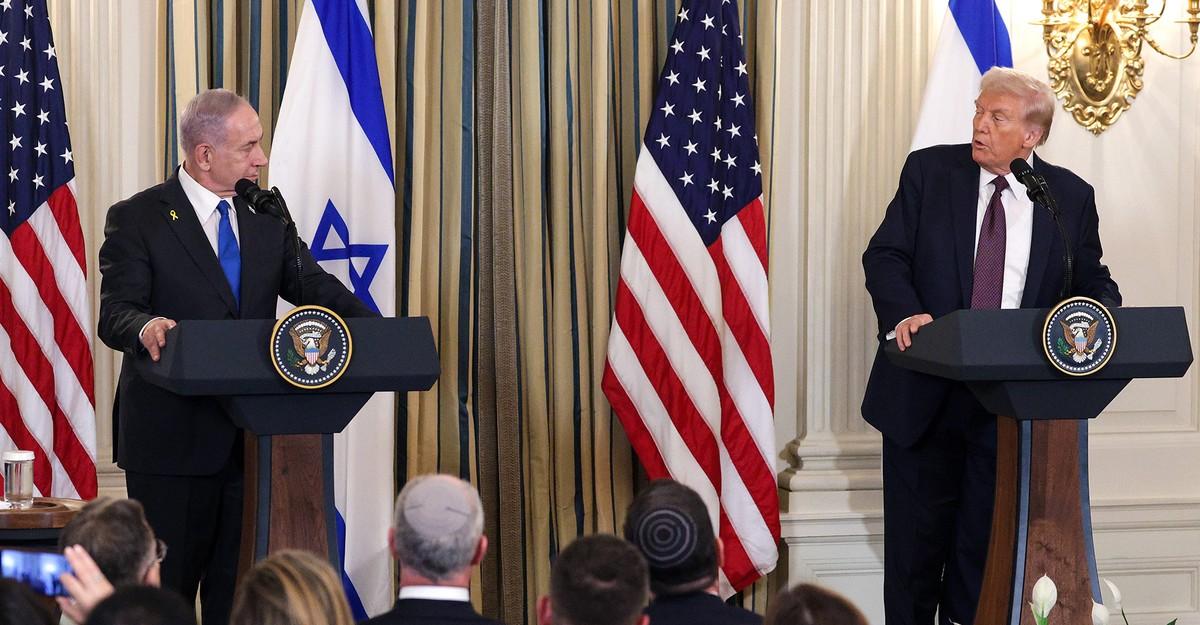
Netanyahu accepted Trump’s Gaza peace plan but imposed conditions to retain Israeli military presence. The plan demands Hamas disarmament and hostage release but excludes Hamas from negotiations.

31 outlets told this the same way.
Challenges to Gaza Peace Plan
The US-brokered peace plan for Gaza, led by former President Donald Trump, has faced significant challenges due to Israeli Prime Minister Benjamin Netanyahu's imposition of conditions that effectively maintain Israeli control over Gaza. The plan calls for a ceasefire and the release of hostages but has been undermined by Netanyahu's insistence on maintaining a military presence in Gaza and imposing additional conditions that prevent a full Israeli withdrawal.
“Miller revealed that Israelis repeatedly added difficult conditions to peace terms, hindering a deal that could have secured the release of hostages and potentially ended the war.”
TRT World reports that Netanyahu orchestrated the assassination of Hamas leader Ismail Haniyeh as a move that disrupted peace negotiations. The plan's credibility is further questioned by Drop Site News, which reports that Israel repeatedly violated the ceasefire, undermining the agreement from the outset.

Criticism of Gaza Peace Plan
The peace plan, which includes a 20-point proposal, has been criticized for heavily favoring Israeli interests, as reported by PBS and The Conversation. The plan requires Hamas to disarm and relinquish control of Gaza to a transitional authority led by Trump and Tony Blair, while Israel maintains a military presence along the Gaza border.
This arrangement has been seen as a way to isolate Hamas and reshape Gaza's governance without addressing the core issues of Palestinian statehood and self-determination. The Conversation highlights the vagueness of the plan, particularly regarding the composition of the international stabilization force and the future governance of Gaza.

Netanyahu's Role in Gaza Crisis
Netanyahu's political maneuvering has been a significant factor in the plan's challenges, as reported by Al Jazeera and The Independent. Al Jazeera describes Netanyahu's alignment with far-right cabinet members who reject peace plans and advocate for full Israeli control over Gaza.
“Netanyahu has aligned with far-right figures like Itamar Ben-Gvir and Bezalel Smotrich, who reject peace plans and advocate for full Israeli control over Gaza.”
This political pressure has led Netanyahu to impose conditions that undermine the peace plan, despite public and parliamentary calls for a ceasefire. The Independent reports on the humanitarian crisis in Gaza, with hundreds of deaths from malnutrition and famine, highlighting the urgent need for a resolution.
International Reactions to Peace Plan
The international response to the peace plan has been mixed, with some Arab and Muslim countries expressing tentative support, as reported by Newsweek and CNN. Newsweek notes that several countries, including Qatar, Jordan, and Saudi Arabia, have expressed confidence in Trump's ability to secure peace. CNN highlights the pressure on Hamas to disarm and accept the plan.
However, the plan's perceived bias towards Israeli interests and the lack of guarantees for Palestinian statehood have led to skepticism about its success. CNN reports that Hamas officials have rejected disarmament, insisting on their right to armed resistance.