
Gaza Genocide · 30 May, 2026 · 2 min read
Thousands Missing in Gaza as Families Search Amid Rubble and Complex Red Cross Documentation
Estimates of missing persons in Gaza range between 4,000 and 11,000. Families search amid rubble, facing uncertainty about loved ones' fates.
Missing persons—cause and evidentiary basis.
4 of 5 outlets skipped it: aisha and Huda recognized via a bound-and-blindfold photo..
15outlets compared
Same story, two versions
tap a side to read it in full
One emphasizes informational opacity; another highlights a purported new visual lead.
Missing as War Continues
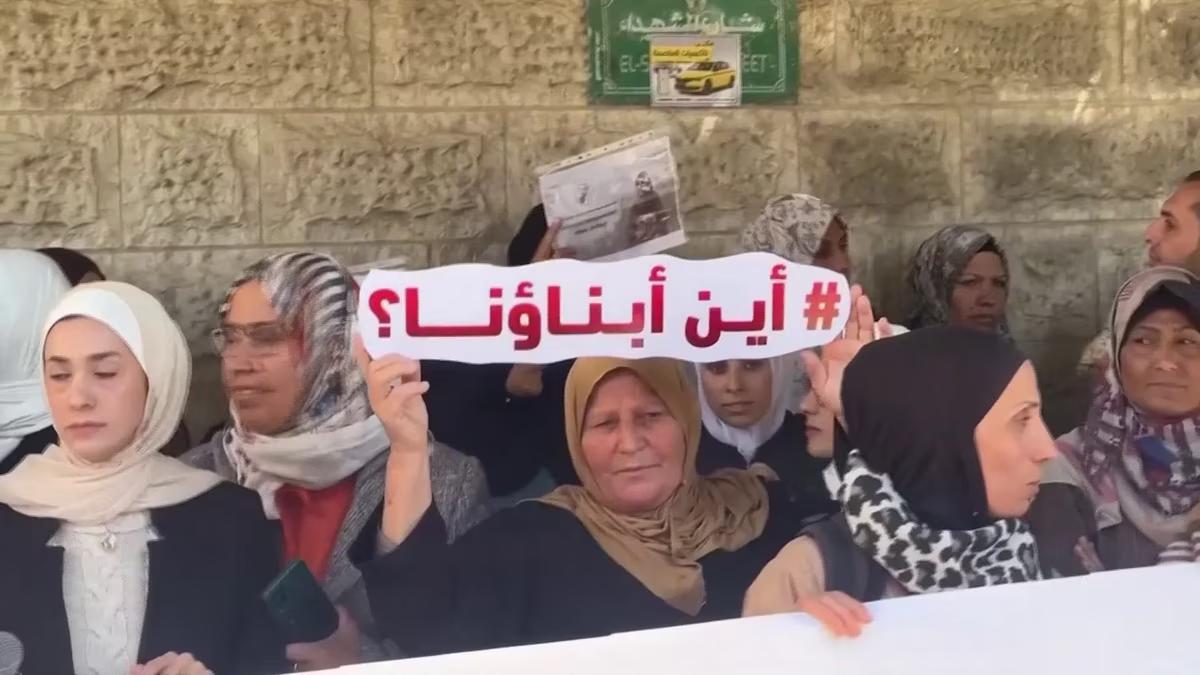
Amid the rubble of homes in the Gaza Strip, the file of missing persons continues to widen as “Hundreds of families have lost trace of their sons,” with estimates indicating “thousands of missing persons in the Gaza Strip.” The account describes a search that does not end, with Umm Ahmed al-Najjar telling Al-Hadaf that she lives in a “permanent waiting” where “we are not living, we are waiting.”
The International Committee of the Red Cross is cited as saying the missing file is among the most complex in conflicts, noting that “the lack of reliable information and the dispersion of authorities responsible for documentation worsen families' suffering.” The same source adds that documenting missing cases requires “precise databases and effective coordination mechanisms between local and international institutions,” while dense shelling, overlapping target sites, and victims under rubble complicate access to destroyed areas.
Health Ministry on Data
In an interview with Al-Hadaf, Dr. Muneer al-Barsh, Director General of the Ministry of Health in Gaza, said the ministry faces “major challenges in documenting the numbers of the missing accurately” due to widespread destruction and an inability to reach many areas.
He added that the ministry receives reports from families who have lost contact with their children “with no confirmed information about their fate,” alongside “a sharp data shortage” and “incomplete names or conflicting information.”

The article also describes how the process of linking lists of martyrs and missing persons is complicated by pressure on hospitals and overcrowding, with some cases registered as missing later turning out to be on victims lists, and vice versa.
In the same account, Dr. al-Barsh said technical capabilities remain limited in such conditions, including “identification of cadavers, especially those recovered after long periods” amid the war’s constraints.
UNRWA, Ceasefire, and Risk
UN News reports that Philippe Lazzarini, head of UNRWA, warned that limiting operations would “jeopardize the ceasefire” ahead of Israel’s deadline for expulsion of UNRWA from East Jerusalem. The same report says the Security Council meeting followed on January 24 with a letter ordering UNRWA to evacuate its offices in East Jerusalem and cease all activity in that sector by January 30.
UN News also states that the agency, “with about 13,000 people spread across 300 premises,” constitutes the UN’s largest presence in Gaza, and that Lazzarini judged that limiting operations would undermine rebuilding and political transition in Gaza. Lazzarini is quoted estimating that cessation of UNRWA activities and closure of its East Jerusalem offices would affect “about 70,000 patients and more than a thousand students,” while the report adds that UNRWA accounts for “half of the emergency response” in Gaza.