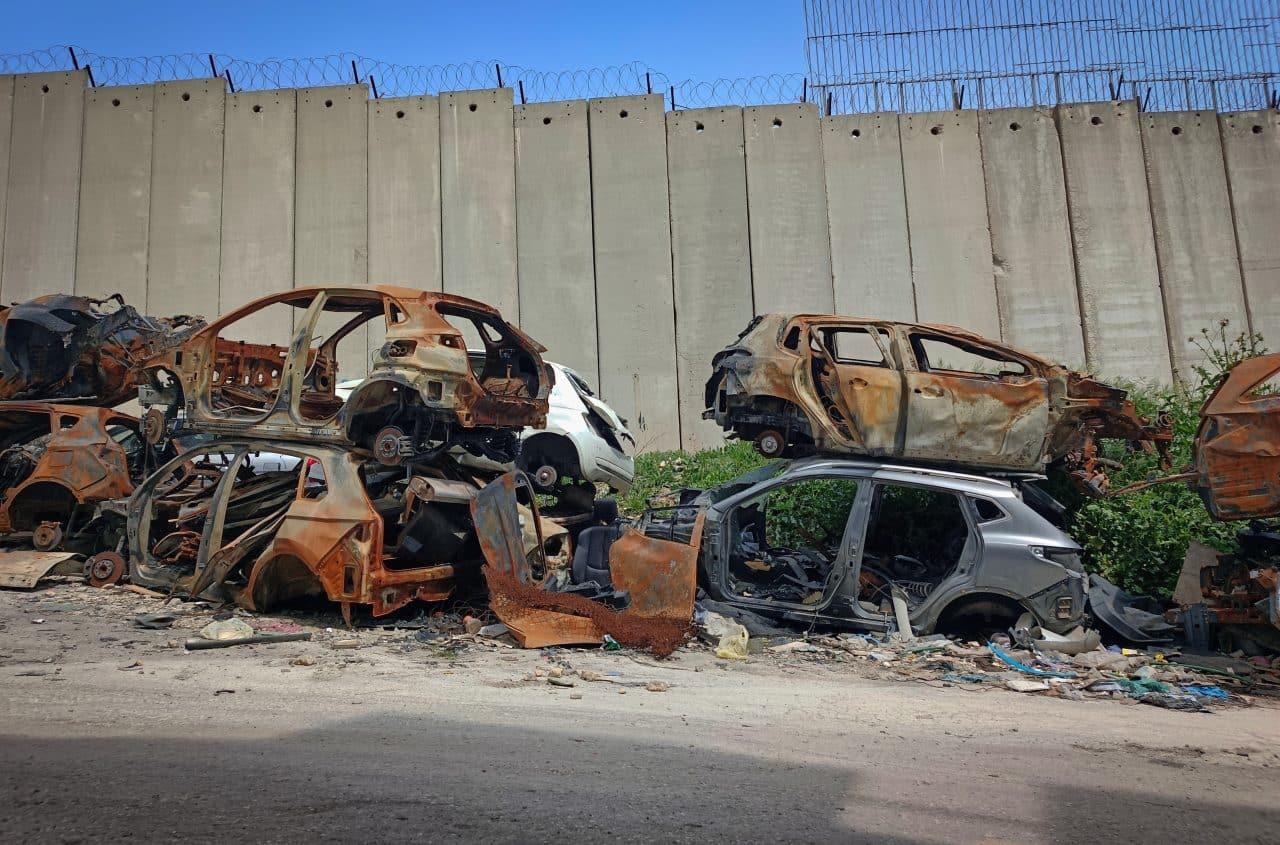
Israeli Airstrike Destroys Rafi’ Nia Synagogue During Passover In Tehran
Key Takeaways
- Rafi’ Nia synagogue in central Tehran was shelled during the US-Israeli war.
- The attack targeted Tehran's central synagogue serving the city's Jewish community.
- The site is a Tehran Jewish synagogue situated in the central area.
Bombing of Rafi’ Nia
On the evening of 6 April, Asef, 65, and other members of Tehran’s Jewish community braved the US-Israeli bombing campaign to celebrate an evening Passover service at the Rafi’ Nia synagogue in the centre of the Iranian capital.
“There was a lot of news this week”
The Guardian described the scene inside the “dim hall” with “Persian carpets and mint green curtains,” where Torah verses were recited and prayers murmured under the breath.
Asef said, “We didn’t let the conflict stop us from celebrating,” and he added that the community made an effort to hold on to their Passover traditions “even amid the difficulties of war.”
It was already dark when he headed home that night, and the streets were quiet with only a few people out, the same report said.
By the time he got up the next morning to get ready for work, an Israeli airstrike had “completely destroyed the synagogue,” according to The Guardian.
The Israeli army described the destruction as “collateral damage” from a strike targeting a commander, while members of the Jewish community expressed anger and outrage.
The Guardian reported that nobody was injured, although a staff member had been in the synagogue’s office at the time, and that synagogue members later sifted through rubble and debris to recover “a handful of religious books and three Torah scrolls.”
Context and historical backdrop
The Guardian placed the bombing of the synagogue within a longer arc of Tehran–Tel Aviv confrontation, describing how Iran and Israel have been “locked in confrontation ever since” the Islamic revolution.
It said that until 1979, Iran under the pro-western monarch Shah Mohammad Reza Pahlavi was Israel’s closest ally in the region, and that after the revolution, the country’s new supreme leader Ayatollah Ruhollah Khomeini severed diplomatic ties.

The report also described how Iranian officials have used antisemitic language to express hostility to Israel, noting that former president Mahmoud Ahmadinejad once described the slaughter of 6 million Jews by the Nazis as “myth.”
At the same time, The Guardian said the government maintains its stance is directed at Israel as a state, not Jews as people.
The article framed the Jewish community’s position as a “unique dual identity,” describing how the US-Israeli war on Iran has made the community “collateral damage.”
It also described how, after the revolution, emigration reduced the Jewish population from about 100,000 to 10,000-15,000, with most focused in Tehran, Isfahan and Shiraz.
The Guardian added that in the early years after the revolution, “society was in turmoil,” and that many people confused Jews with Zionists, while Jewish properties were confiscated and many Jews sought refuge in Israel.
The report further said that Judaism is constitutionally recognised and protected in Iran, while Jews are barred from holding certain high government or military positions, and it described the community as maintaining about 30 synagogues, along with schools, kosher restaurants and supermarkets.
Voices inside the community
The Guardian anchored its account in direct statements from Jewish community figures and an outside observer.
“The Al Arabiya TV camera captured the signs of destruction after the bombing of an ancient Jewish synagogue in Tehran during the US–Israeli war”
Homayoun Sameh, described as “a member of parliament and the head of the Jewish Association of Iran,” visited the site and said, “We condemn this attack. It disrespects our faith.”
Sameh also told the Guardian, “Iran’s Jewish community doesn’t have good relations with the Zionist Israeli government,” and he said that “It’s all under the rubble, including some of our historical volumes,” as he described what remained buried.
The report also quoted Antony Loewenstein, an independent journalist and author of The Palestine Laboratory, who said, “Some speak of a so-called golden era before the 1979 revolution, when Tehran and Tel Aviv were close friends, but this was also a period when Israel backed, armed and trained the brutal shah regime.”
Loewenstein described the community’s internal diversity, saying, “Many in the Jewish community are understandably cautious of outsiders, self-censorship is common, some are what I’d call quiet Zionists while others are fiercely critical of Israeli crimes against Palestinians and opposed to Zionism.”
He added that “Many are deeply opposed to the Trump administration and Israeli destruction of Iranian infrastructure during the recent war,” and he argued that the synagogue bombing “confirmed the fears of many Iranian Jews that Israel and Netanyahu don’t really care about their fate.”
The Guardian also included the perspective of the community’s chief rabbi’s family, describing Younes Hamami Lalehzar, 61, an internal medicine doctor who has long worked at Tehran’s Jewish hospital, and noting that his family were “merchants originally from the city of Yazd in central Iran.”
Finally, it described how about two decades ago, Israel encouraged Iranian Jews to emigrate with cash incentives, and it quoted the Society of Iranian Jews dismissing the offer as “immature political enticements” and saying their national identity was not for sale.
Different outlets, different framing
While The Guardian focused on the lived experience of Tehran’s Jewish community and the immediate aftermath of the Rafi’ Nia synagogue destruction, Mondoweiss framed the same broader moment through a political lens of “impunity” and shifting U.S. politics.
Mondoweiss said, “Israel is accelerating its colonial project, from the West Bank and Gaza to Lebanon and Iran,” and it asserted that “The impunity Israel has enjoyed for decades is visibly crumbling.”
It pointed to U.S. Senate voting, stating that “more than three-quarters of Democrats voted to block arms sales to Israel,” and it called that “a historic sea change in the decades-long bipartisan consensus.”
In its weekly briefing, Mondoweiss also argued that “The Iran war has produced no strategic victory for Israel or the United States,” and it described Trump as “desperate for an exit.”
Mondoweiss included a specific claim about the synagogue bombing, saying, “How Zionism’s anti-Jewish logic led Israel to bomb an Iranian synagogue,” and it tied that to Passover timing by stating, “On April 7, during Passover, Israel bombed the Rafi-Nia synagogue in Tehran.”
The Guardian, by contrast, described the Israeli army’s characterization of the destruction as “collateral damage” from a strike targeting a commander, while the community expressed anger and outrage.
The Guardian also reported that “Nobody was injured,” whereas Mondoweiss’s briefing did not provide injury details in the excerpt provided.
The Guardian’s account emphasized the community’s effort to celebrate Passover “even amid the difficulties of war,” while Mondoweiss emphasized U.S. political shifts and Israel’s broader regional actions.
Aftermath and what comes next
The Guardian’s account of the synagogue bombing ended with the community sifting through debris and recovering what they could, but it also connected the destruction to fears about how Israel and Benjamin Netanyahu view Iranian Jews.
“On the evening of 6 April, Asef, 65, and other members of Tehran’s Jewish community braved the US-Israeli bombing campaign to celebrate an evening Passover service at the Rafi’ Nia synagogue in the centre of the Iranian capital”
It reported that synagogue members pulled “a handful of religious books and three Torah scrolls” from “the shatter brick and rebar,” while Homayoun Sameh said, “It’s all under the rubble, including some of our historical volumes.”
The report also described how the Israeli army’s “collateral damage” framing contrasted with the community’s anger and outrage, and it quoted Sameh condemning the attack for disrespecting faith.
Antony Loewenstein told The Guardian that the airstrike “confirmed the fears of many Iranian Jews that Israel and Netanyahu don’t really care about their fate.”
In parallel, Mondoweiss’s briefing suggested that U.S. political dynamics could shape the trajectory of the broader conflict, pointing to “more than three-quarters of Democrats” voting to block arms sales to Israel and describing “the ground beneath U.S. military aid to Israel” as shifting.
Mondoweiss also asserted that “The Iran war has produced no strategic victory for Israel or the United States,” and it said “Trump is now desperate for an exit,” while also stating that “the conditions for an end to the violence remain out of reach as long as Israel continues to benefit from keeping the war going.”
The excerpt from Al Arabiya TV added a visual and locational layer, saying its camera captured “the signs of destruction after the bombing of an ancient Jewish synagogue in Tehran during the US–Israeli war,” and it specified that the synagogue “dates back to the 1950s during the Second Pahlavi era.”
Al Arabiya TV placed the synagogue “near Palestine Street” and said it was “a short distance from the site that previously housed an Israeli diplomatic mission,” which later became a Palestinian diplomatic mission “in the late 1970s after the Iranian Revolution's victory.”
More on Iran
Trump Extends Ceasefire as US-Iran Peace Talks Stall and Strait of Hormuz Tensions Rise
22 sources compared
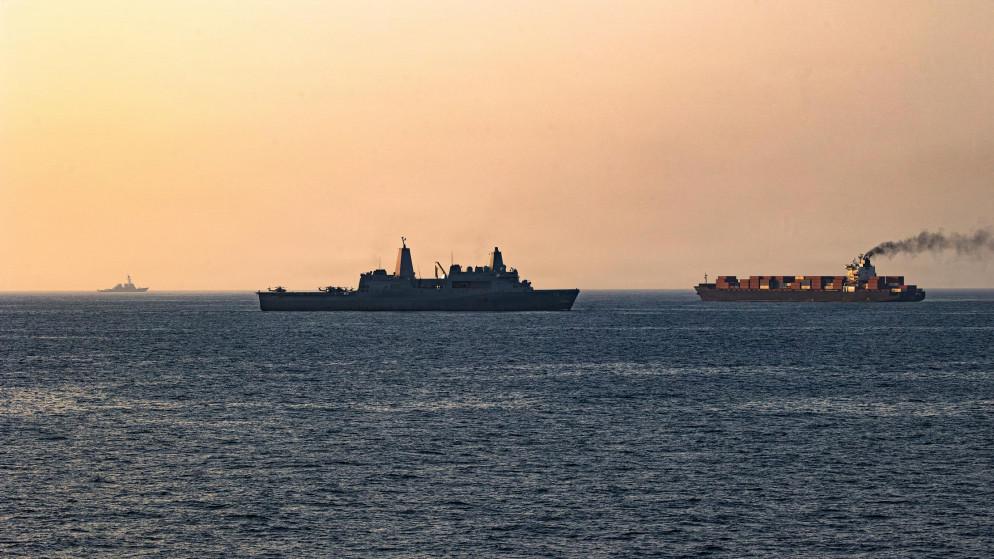
Iran Fires on Three Ships and Seizes Two in Strait of Hormuz, Trump Extends Ceasefire
28 sources compared

Trump Extends Iran Ceasefire While US Keeps Naval Blockade in Strait of Hormuz
18 sources compared
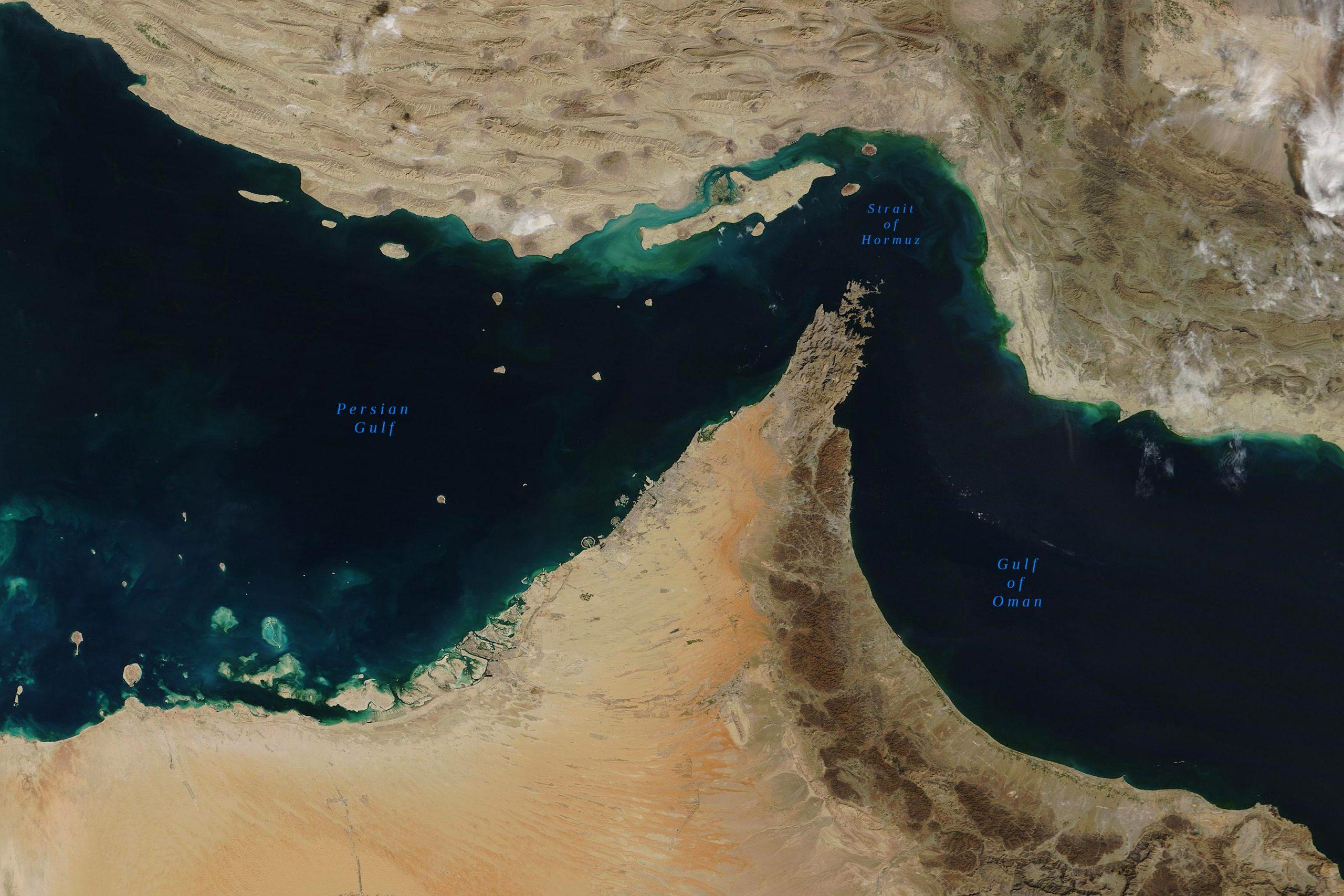
Iran’s Islamic Revolutionary Guard Corps Seizes Two Ships in Strait of Hormuz After Trump Ceasefire Extension
20 sources compared