Full story
Framework Deal, Displacement Returns
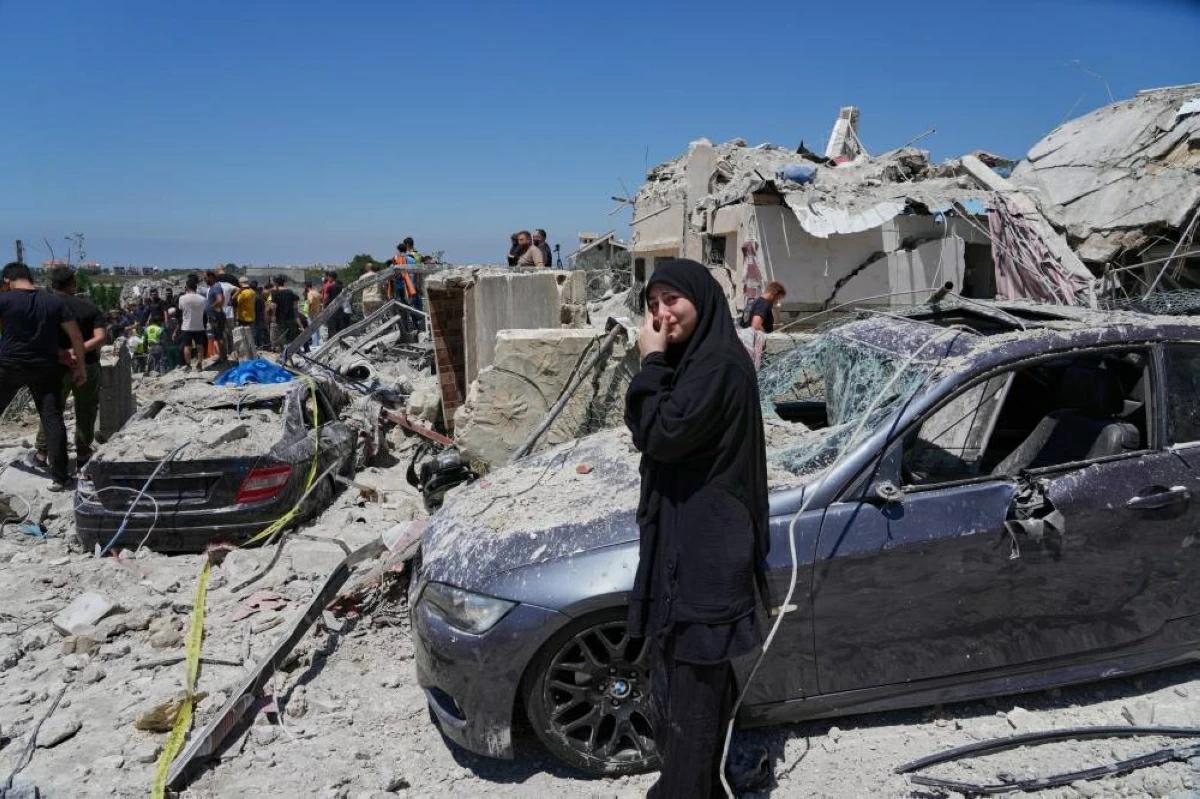
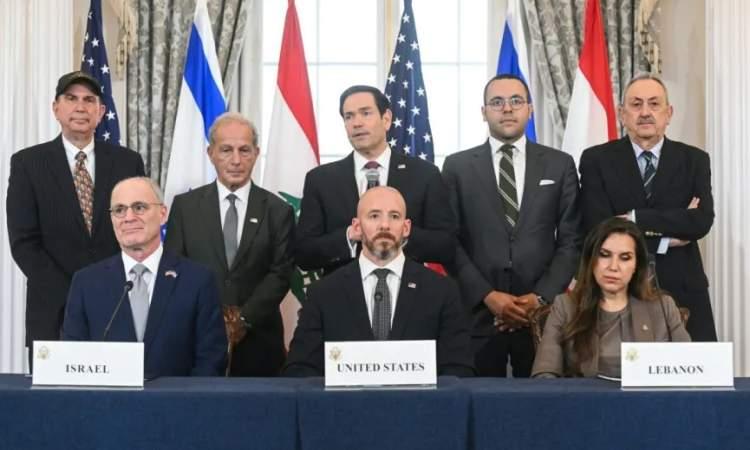
Hundreds of thousands of Lebanese displaced by months of conflict have begun returning to their homes in the country’s south after Israel and Lebanon signed a framework agreement in Washington on June 26 that brought hostilities between Israel and Hezbollah to a halt.
“Israeli army demolishes, burns homes in southern Lebanon despite framework deal Israeli forces continue operations in southern Lebanon despite ceasefire and US-sponsored withdrawal framework, according to Lebanese state news agency Mohammad Sio 13 July 2026•Update: 13 July 2026 Archive ISTANBUL The Israeli army demolished and burned homes in southern Lebanon, as part of its daily violations of the framework agreement signed between Tel Aviv and Beirut, Lebanon's state-run National News Agency (NNA) reported Monday”
Lebanese authorities estimate that some 1.2 million people were displaced during the conflict, and Haneen Sayed, Lebanon’s social affairs minister, said around 400,000 people returned to southern Lebanon within 24 hours of the framework agreement.

The International Organization for Migration said 646,107 had returned, while around half a million people remain displaced and tents that once lined Beirut’s sidewalks, public squares and parks have disappeared.
Ali Al-Amine, editor-in-chief of the independent Lebanese news website Janoubia, said he had seen people returning to their homes in his southern town of Shaqra on the edge of the Yellow Line, but that many fear being displaced yet again.
Al-Amine told Arab News: “Israeli airstrikes caused extensive damage to villages, and many homeowners and shop owners are reluctant to begin repairs or even replace shattered windows.”
Hezbollah, Aoun, and the Divide
Hezbollah did not commit to the ceasefire until the Lebanese-Israeli framework agreement was announced, dismissing it as “null and entirely in Israel’s interest,” and Naim Qassem, Hezbollah’s secretary-general, affirmed the group’s commitment to the US-Iran negotiations.
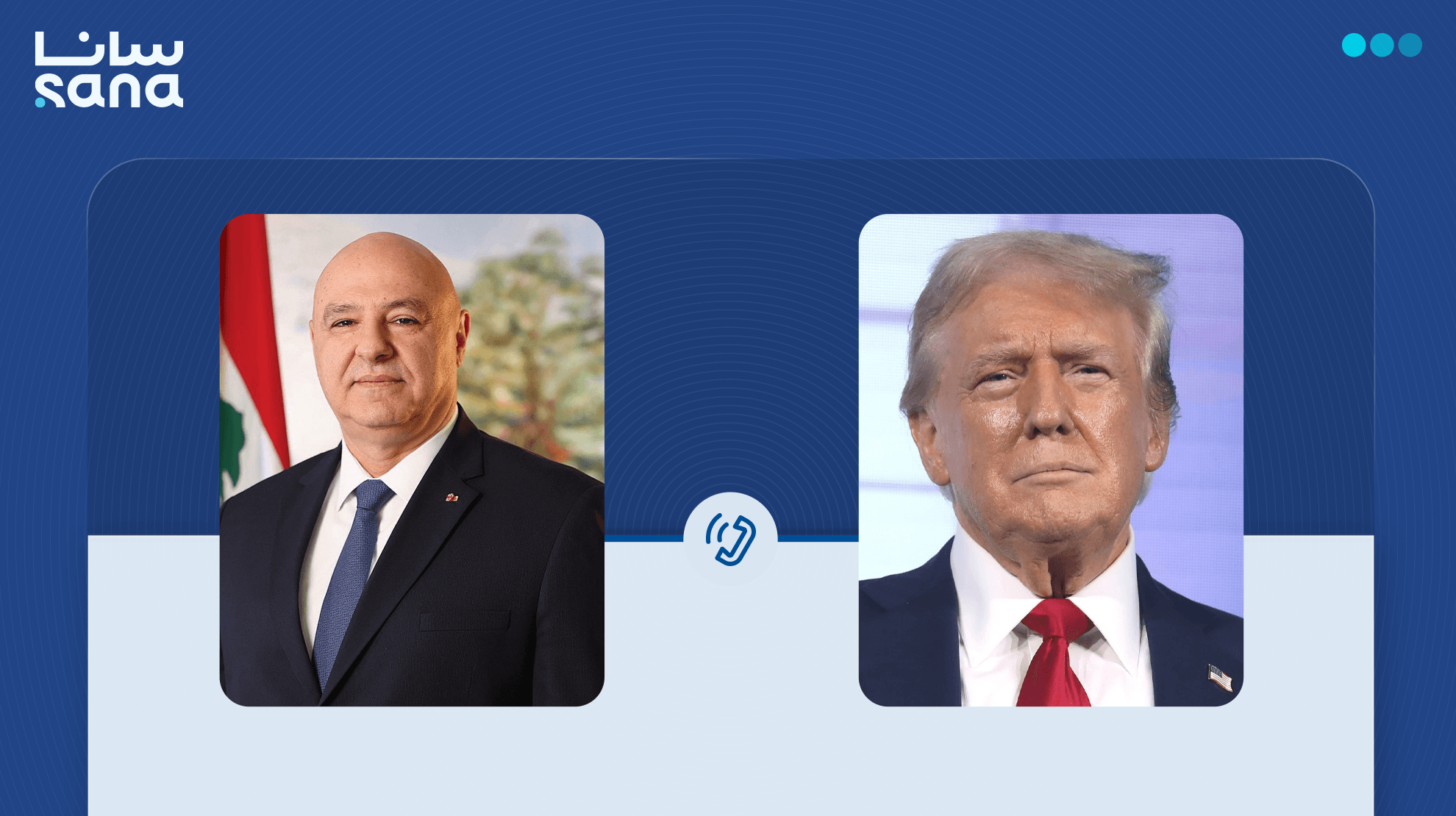
In response to the uncertainty around returns, Lebanese President Joseph Aoun announced he will request that U.S. President Donald Trump pressure Israel to implement a framework agreement and satisfy Lebanon's demands during his upcoming visit to the United States on July 21.

Aoun said the shared goals of the Lebanese people are Israel’s withdrawal from all occupied Lebanese territories, the return of displaced people to their homes, the return of prisoners and bodies, and reconstruction.
Aoun said: “I will ask U.S. President Donald Trump to exert the necessary pressure on Israel for the implementation of the points agreed in the framework agreement and Lebanon’s demands,” as the framework’s pilot-zone withdrawal has not yet occurred from any of the pilot zones.
The Long War Journal described Hezbollah rejecting the deal outright and vowed continued “resistance,” while the Amal Movement denounced it as unbalanced and promised to obstruct the deal “in its current form.”
Pilot Zones, Ongoing Strikes, Stakes
Even as displaced civilians return, the return does not extend to villages located within the “Yellow Line” security zone established by Israel, which encompasses 64 towns and villages that remain under its control, according to Lebanese figures.
“Gift this articleShare to FacebookPrint article Article printing is available to subscribers only Print in a simple, ad-free format Subscribe Comments: SaveZen Reading Zen reading is available to subscribers only Ad-free and in a comfortable reading format Subscribe”
Arab News reported that a Lebanese military source said the Israeli military wants the Lebanese army to deploy in areas that are not occupied and refuses to withdraw from any of the areas it occupies, adding: “Israel cannot force the Lebanese army to enter a geographical area that is not under occupation while continuing to kill civilians, carry out incursions, and blow up villages.”
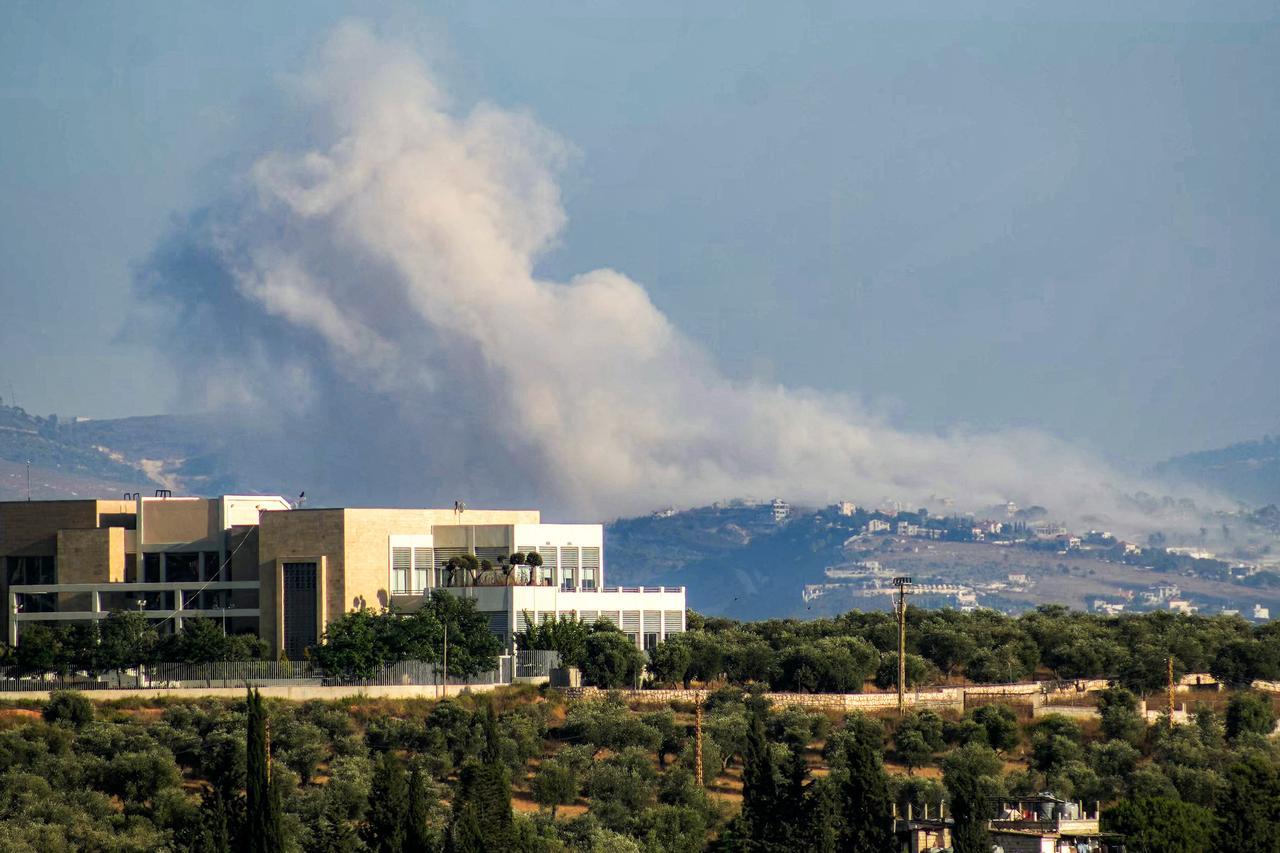
Meanwhile, Anadolu Ajansı said the Israeli army demolished and burned homes in southern Lebanon in the southern neighborhoods of the town of Hadatha, and it reported a large explosion in the southern city of Bint Jbeil on Sunday.
The Long War Journal laid out that the framework’s core security bargain requires Israel and Lebanon to commit to a reciprocal, conditions-based phased withdrawal by the Israel Defense Forces synchronized with the Lebanese Armed Forces’ gradual control of all Lebanese territory and verified disarmament of non-state armed groups.
For civilians, the stakes are immediate and practical: Fatima, 55, told the Norwegian Refugee Council that “There is no sense of safety in our village even though it is not under occupation,” and Afaf, 44, said: “Honestly, we don’t feel like there’s a ceasefire.”