
Israeli Airstrikes Kill At Least 12 Civilians in Nabatieh Governorate, Lebanon
Key Takeaways
- Israeli airstrikes killed at least 12 civilians in southern Lebanon's Nabatieh district.
- Attacks hit Habboush and Louaizeh in Nabatieh district, triggering civilian casualties.
- The strikes continued despite the ceasefire extension.
Airstrikes, deaths, and evacuations
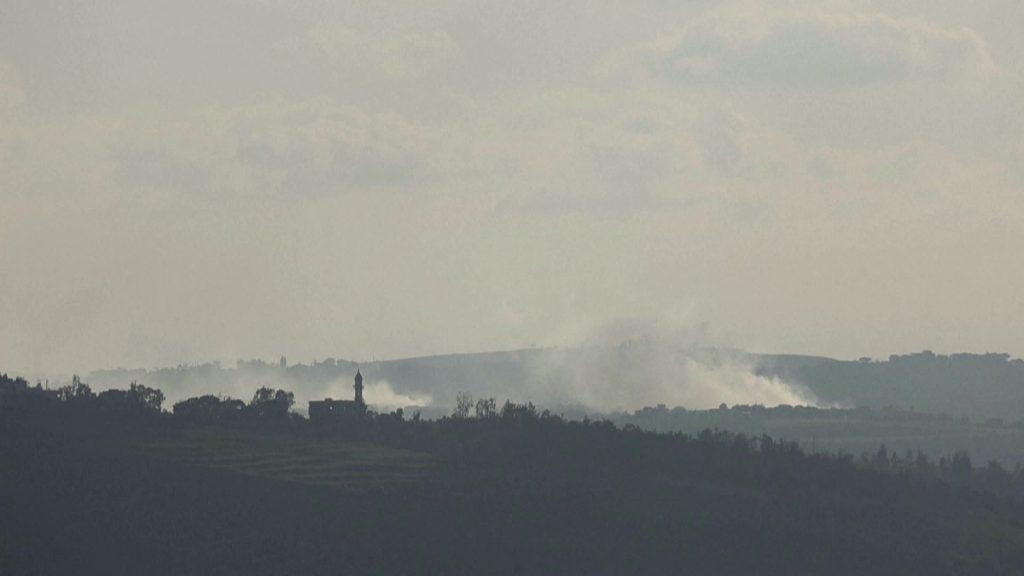
Israeli airstrikes in southern Lebanon killed at least 12 civilians in the Nabatieh governorate amid continued ceasefire violations, PressTV reported, saying the strikes targeted multiple areas including Harouf and Choukine and the heights of Iqlim al-Tuffah.
PressTV also said the Lebanese Ministry of Public Health revised casualty figures from an Israeli attack on Haboush in the Nabatieh district, confirming that "eight people were killed, including one child and two women, and 21 others wounded, among them two children and a woman."

In the same account, PressTV reported that a separate attack on Zrariyeh in the Sidon district killed four people, including two women, while four others were injured, including a child and a woman.
Al Jazeera reported a similar death toll for the same general period, stating "At least 12 people have been killed, including a child, in southern Lebanon" and adding that Israeli forces killed at least eight people in Habboush in the Nabatieh district on Friday.
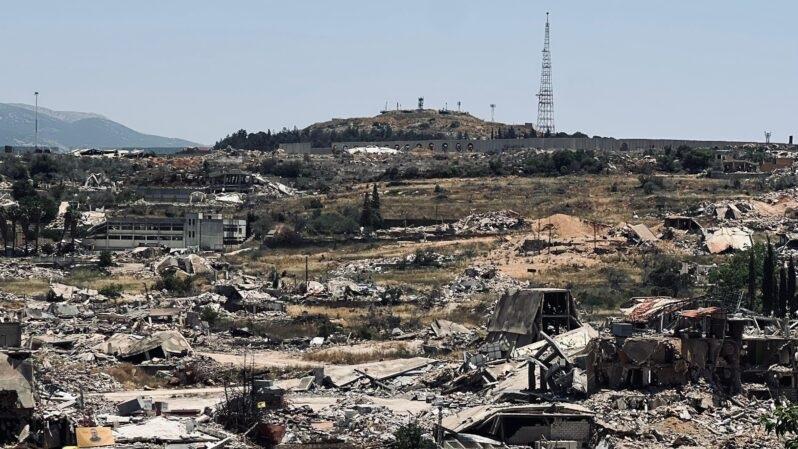
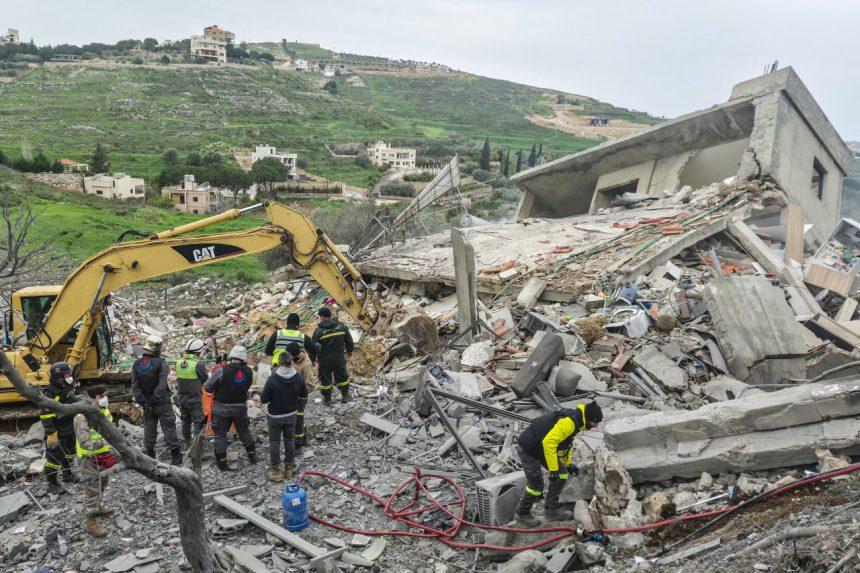
Al Jazeera also described the Lebanese Civilian Defence searching through rubble in Tyre, quoting Obaida Hitto saying, "The footage coming out of there is really dramatic, with buildings completely flattened."
The Israeli military’s evacuation messaging also featured prominently: Al Jazeera said Israel issued a forced evacuation order to residents in Habboush and that its Arabic-language spokesperson, Avichay Adraee, told people to move "at least 1,000 metres away" before strikes struck the village.
Ceasefire strain and shifting fronts
Multiple outlets tied the latest strikes to a ceasefire framework that began on April 17 and was extended, while also describing continued Israeli assaults along Lebanon’s southern border.
PressTV said the airstrikes marked "continued violations of a ceasefire agreement that has been in place since April 17" and described ongoing Israeli military assaults including "repeated incursions, demolitions in border villages, and a continued military presence inside Lebanese territory."

Al Jazeera similarly said Israel continued its strikes "despite a ceasefire" and reported that the US-brokered ceasefire announced on April 17 had been extended to May 17.
TRT عربي described the ceasefire timeline in operational terms, saying the ceasefire "began on April 17 and was extended until May 17" while "daily escalation" continued.
The Anadolu Ajansı account added a longer view of the conflict’s intensity, describing the Nabatieh assault as the "largest assault" since the start of the latest war on March 2 and reporting that the death toll of State Security Service personnel rose to 13.
Anadolu Ajansı also quoted Lebanese President Joseph Aoun saying the Israeli bombing of the State Security Building in Nabatieh "will not deter Lebanon from clinging to its right to protect its land and preserve its sovereignty" and said Aoun urged the international community to "bear its responsibilities to stop the recurring Israeli attacks."
Voices from the ground
Witness accounts and official statements described both the immediate violence and the political messaging around it.
Al Jazeera quoted Obaida Hitto from Tyre describing the destruction, saying, "The footage coming out of there is really dramatic, with buildings completely flattened," and added that the same strategy was seen across the country with strikes that "killed and injured many other people in at least six other locations in southern Lebanon today, including women and children."
In Al Jazeera’s account of Habboush, Avichay Adraee’s evacuation order was presented as a direct instruction, with the spokesperson telling residents to move "at least 1,000 metres away" before strikes.
PressTV described the Lebanese Ministry of Public Health’s revised figures for Haboush, including the deaths of "one child and two women" and the injuries of "two children and a woman," while also reporting additional fatalities in Zrariyeh.
Anadolu Ajansı brought in Lebanese political voices: it reported that Speaker of Parliament Nabih Berri spoke to State Security Service leadership, offering condolences for "the martyrs who fell due to the Israeli airstrikes that hit Nabatieh" and wishing recovery to the wounded.
It also quoted Prime Minister Nawaf Salam saying, "My sincerest condolences to the people of Nabatieh for their civilians and State Security personnel who fell as a result of the Israeli attacks" and that the blow "increases our determination to swiftly reach a ceasefire that protects Lebanon and our people in the south."
Competing tallies and narratives
The sources diverged not only on casualty totals but also on how they characterized the broader pattern of attacks and the scale of the conflict.
Al Jazeera reported "At least 12" killed in the latest Israeli attacks and said the Lebanese Ministry of Public Health’s Emergency Operations Center reported that "2,618 people have been killed and 8,094 wounded since hostilities began on March 2," while also stating the ceasefire announced on April 17 had been extended to May 17.
PressTV, by contrast, focused on a dozen civilians killed in Nabatieh governorate and provided a revised Haboush breakdown of "eight people were killed" and "21 others wounded," while also reporting four killed in Zrariyeh.
Mehr News Agency gave a different set of numbers for Nabatieh al-Fawqa, saying Israeli airstrikes killed two people and wounded 10, and it also reported separate strikes on Toul, Jebchit, and Zibdin with casualties of "at least four" killed and "13" injured, "four dead and nine wounded," and "six" killed.
Palestine Chronicle described a wider set of locations and claimed that Israeli airstrikes "continued across southern Lebanon" with strikes targeting al-Luwaiza in the Jezzine district, Harouf, Shoukin, and the heights of the Tuffah region, while also asserting that Israel was "blowing up entire civilian homes and residential blocks in Bint Jbeil, South Lebanon" and sharing footage.
TRT عربي offered another framing with a tally of "54" Israeli attacks resulting in "20" killed and "28" wounded, and it said the death toll in the last 24 hours rose to "10 dead and 58 injured" bringing totals to "2,586 dead and 8,020 wounded."
What comes next
Several reports described immediate operational steps and longer-term political stakes, including evacuation plans, buffer-zone ambitions, and diplomatic efforts.
PressTV said Israeli authorities were seeking to establish a so-called “yellow zone” along the border that would encompass more than 50 southern Lebanese villages, describing it as a move that would "further erode Lebanese sovereignty" and "constitute continued breaches of the ceasefire."
PressTV also said Israeli forces issued evacuation threats for several areas even after the initial ten-day truce between Tel Aviv and Beirut was extended for an additional three weeks, linking the timeline to the broader ceasefire negotiations.
The Al Jazeera report said Israel continues to occupy parts of southern Lebanon, which it calls a buffer zone, and it described Hezbollah continuing attacks on Israeli forces and vehicles inside Lebanon, including a Merkava tank and other vehicles, as well as soldiers in Sour.
Anadolu Ajansı said Lebanese President Joseph Aoun urged the international community to "bear its responsibilities to stop the recurring Israeli attacks" and said Prime Minister Nawaf Salam called for a ceasefire that protects Lebanon and its people in the south.
In parallel, TRT عربي said Hezbollah’s operations come "in response to Israeli violations of the ceasefire agreement" and described the party shooting down an Israeli Hermes 450 drone in the skies over Nabatieh.
More on Lebanon

Hezbollah Drone Kills Israeli Contractor Near Aitaroun, Wounds His Son
11 sources compared
RFI Traces Gaza War History From UN Partition Vote on November 29, 1947
10 sources compared
Israeli Strikes Kill At Least 12 In Southern Lebanon Despite Ceasefire
19 sources compared
Israel Strikes Last Bridge Linking Southern Lebanon, Cutting Tyre From Sidon
36 sources compared