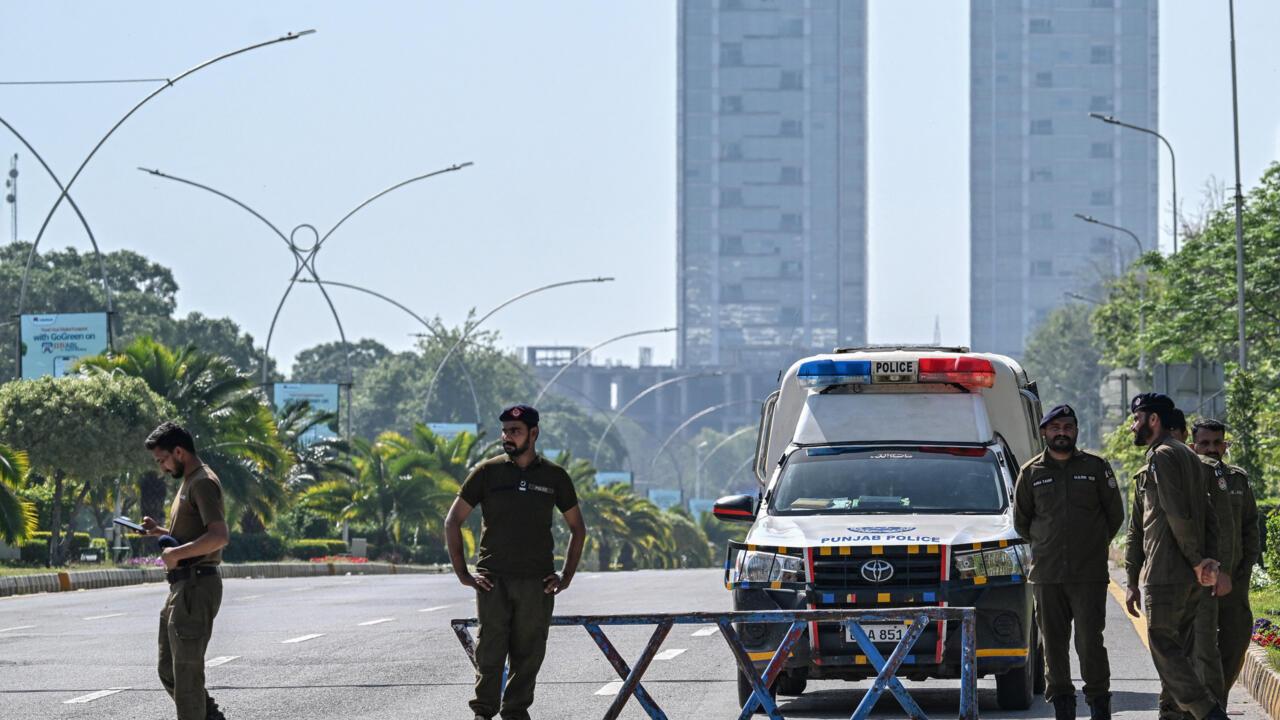
Israeli Airstrikes Kill Hundreds in Lebanon as Washington and Tehran Prepare Negotiations
Key Takeaways
- Casualties reported in southern Lebanon range from six to nine dead.
- Israel issues evacuation warnings and displacement orders in southern Lebanon.
- Escalation in southern Lebanon jeopardizes Washington-hosted Lebanon-Israel negotiations.
Ceasefire talks, Lebanon in focus
Israeli military operations continued in Lebanon as Washington and Tehran prepared for negotiations, with Euronews describing how the Lebanese file remained a major challenge because of continuing Israeli airstrikes and hundreds of casualties even during the truce period.
Euronews reported that on the first day of the truce, Lebanese Civil Defense data recorded 254 people killed and 1,165 injured.

In parallel, Al Jazeera reported that tensions in Lebanon were rising as Israeli military operations continued, with Brigadier General Hassan Jouni saying Israel was seeking to detach the Lebanon theater from the other fronts.
Al Jazeera also said that Jouni did not rule out intensified air strikes preceding a ground move, especially toward the city of Bint Jbeil, and that Israel carried out 100 airstrikes in 10 minutes on wide areas of Lebanon, killing 303 people and wounding 1,150 others, just hours after Washington and Tehran announced their agreement to a ceasefire for two weeks.
Officials warn, experts frame
A Lebanese official warned that continued Israeli escalation would jeopardize negotiations, telling Al-Jazeera that "The continued violations will either lead to us not participating in the negotiations or to our participation with the sole condition of a ceasefire," and adding that Lebanon had informed Washington that "a ceasefire is key to everything."
The same Lebanese official urged Washington to assume responsibility, saying "Washington is determined to achieve a breakthrough in the Lebanese track, but (Israeli Prime Minister Benjamin) Netanyahu does not want a ceasefire."

Al Jazeera’s account of the negotiation dynamics quoted Washington Center for International Policy senior researcher Nigar Mortazavi saying Iran would not accept any ceasefire agreement that does not include Lebanon and its allies.
Al Jazeera also quoted WikiStrat think tank security and military strategy expert Richard Waitz saying that the United States still treats the Lebanese file as a separate issue, with de-escalation conditioned on disarming Hezbollah and strengthening the capabilities of the Lebanese state, including the army.
What’s at stake in Lebanon
Lebanon’s official position, as described by Naharnet, was that a draft declaration of intent with Israel sponsored by the U.S. was being studied, and the Lebanese Army would not create a unit dedicated to disarming Hezbollah.
Naharnet reported that the official said Lebanon wanted to form a joint Lebanese-American committee to monitor the army's implementation of its commitments and to activate the work of the U.N. Truce Supervision Organization (UNTSO) to monitor Israeli violations.
In Foreign Policy’s framing as relayed by the BBC, Sam Heller argued that Washington was pushing Lebanon toward negotiations that weaken its leaders and threaten to worsen internal divisions, and the BBC quoted Heller’s line that "Washington is pushing Lebanon toward negotiations that weaken its leaders and deepen its crisis."
The BBC also reported that the Lebanese ambassador to Washington, Nada Hamade Ma’oud, thanked Trump effusively, saying Lebanon could "become great again" with American support, even as the roundup described Israeli airstrikes killing and wounding people in Lebanon despite a ceasefire brokered by the United States.
More on Lebanon

Joseph Aoun Tells Rodolphe Haykal Lebanon Army Role After U.S.-Israel Framework Agreement
10 sources compared
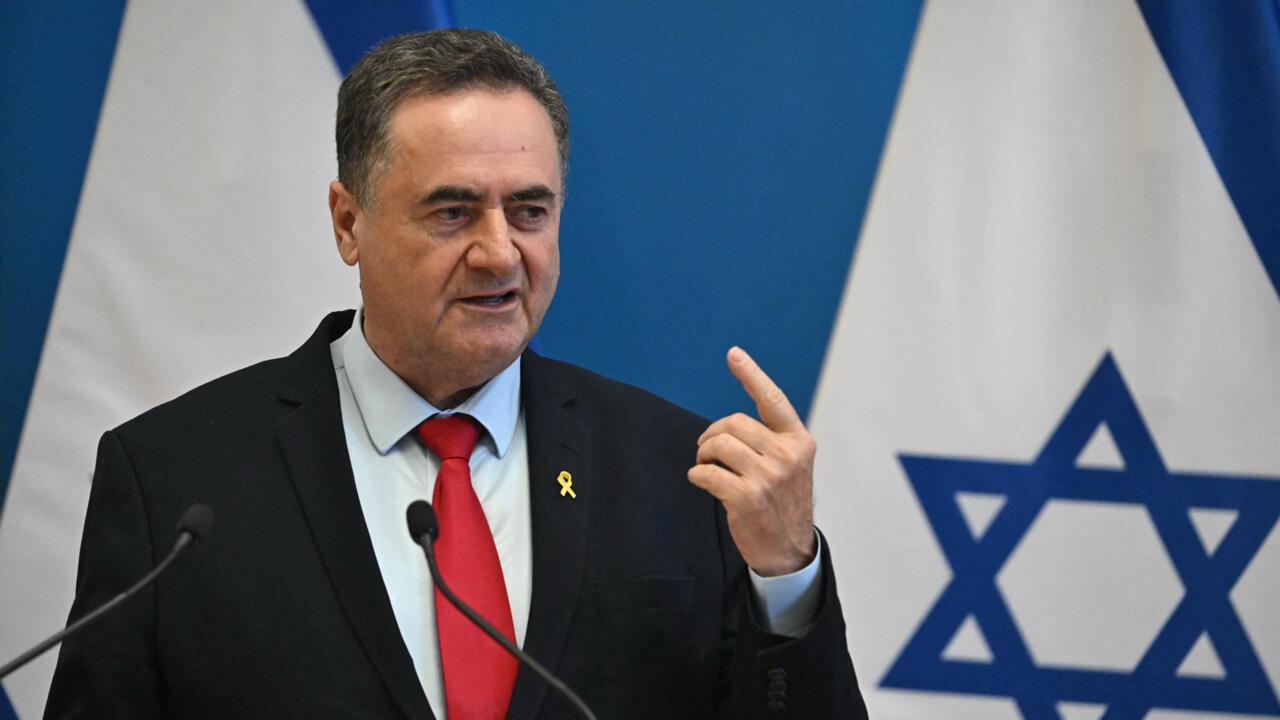
US Oversees Israel’s Phased Withdrawal From Lebanon Pilot Zone Ahead of Rome Talks
15 sources compared
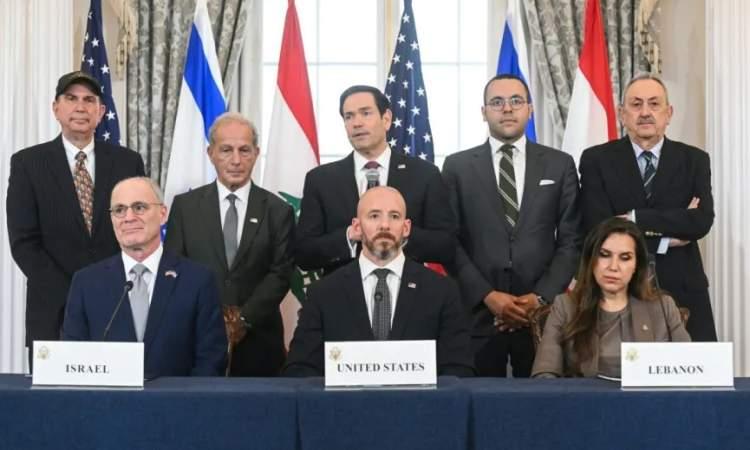
Hezbollah Rejects Israel-Lebanon Framework Agreement After Washington Talks With Marco Rubio
11 sources compared

Sheikh Naim Qassem Says Lebanon Framework Agreement Transfers Sovereignty From Zionist Regime
33 sources compared