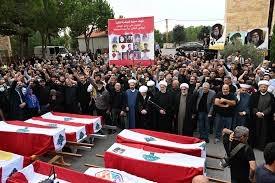
Israeli Army Orders Evacuation of Sarafand, Teffahata and Mazraat Sinai as Raids Continue
Key Takeaways
- Israeli drones and missiles strike Nabatieh area, including Nabatieh Al-Fawqa and Baraachit.
- Ceasefire framework negotiations persist; Amal-Hezbollah MPs voice reservations about the deal.
- Reported casualties and destruction across southern Lebanon, including deaths and homes damaged.
Evacuation and strikes
In Lebanon-Sud, fighting continued on Friday despite diplomatic efforts for a durable ceasefire, while the Israeli army issued a new evacuation order for Sarafand, Teffahata and Mazraat Sinai.
In a message relayed by its Arabic-speaking spokesperson Avichay Adraee, the Israeli army urged residents to leave immediately and head north of the Zahrani River, saying it was acting in response to ceasefire violations attributed to Hezbollah.

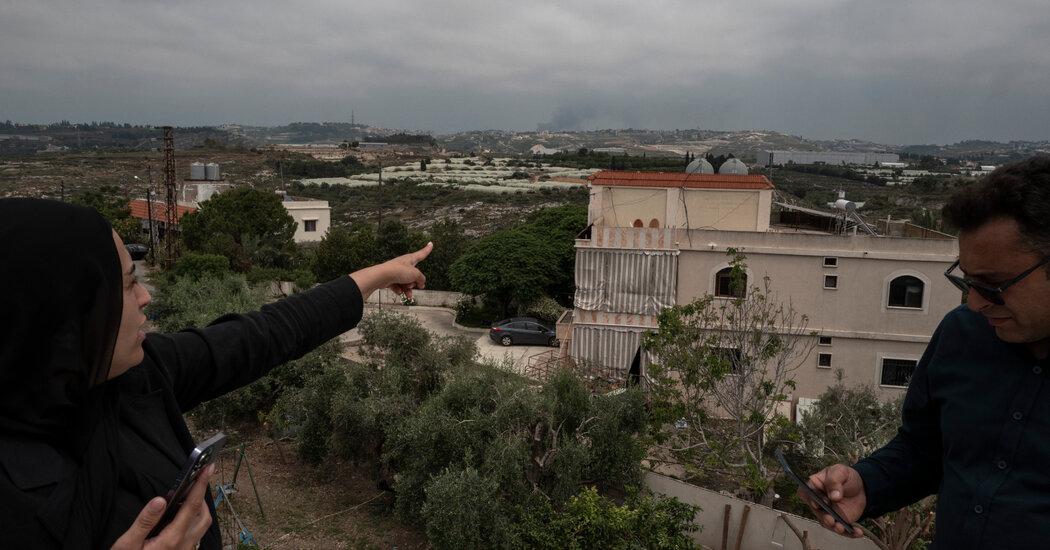
Israeli aviation carried out raids across multiple southern localities including Blat, Debbine, Jebchit, Yater, Kfartebnit, Nabatiyé, Qlaouiyé, Bayad, Mansouri, Habbouch, Froun, Touline, Majdel Zoun, Kafra, Deir Intar, Chehabiyé, Khardali and Teffahata, while Israeli artillery also bombarded Mansouri.
The article also described injuries from several strikes, including at Chehabiyé where people were hit during two raids near a post recently established by the Islamic health authority, and at Selaa where rescuers were injured in a strike on a Civil Defense center.
In the same account, the Israeli army said it had struck “near 310” Hezbollah-attributed targets with aviation support and that about “80” fighters were killed in southern Lebanon.
Hezbollah claims and ministers
The Hezbollah movement claimed it targeted gatherings of soldiers and vehicles at Chamaa with rockets and artillery shells, and it also said it carried out explosive drone attacks against a military vehicle in Teirr Harfa and a force deployed in a building in Chamaa.
According to the same report, Hezbollah said it repelled an attempted Israeli advance toward the outskirts of Majdel Zoun, claiming a column of twelve armored vehicles was targeted repeatedly and that two Merkava tanks were destroyed.
In parallel, L’Orient-Le Jour reported that discussions around the framework agreement between Lebanon and Israel lasted more than an hour at the Council of Ministers, with Prime Minister Nawaf Salam saying the text was only a framework and that nothing had been finalized.
The Shiite tandem ministers Rakan Nassereddine, Mohammad Haidar and Tamara Zein expressed “reservations” about the framework agreement, and Labor Minister Mohammad Haidar (Hezbollah) said, “That everyone knows we are against direct negotiations, and that is what we said in the Council of Ministers.”
The same L’Orient-Le Jour account also said the Israeli Ministry of Defense expects to treat 90,000 soldiers by the end of the year amid a sharp rise in PTSD cases, citing that 26,200 IDF soldiers had sought help since the start of the war.
Casualties, hospitals, and ceasefire
In southern Lebanon, L’Orient-Le Jour described drone strikes near Ghandour Hospital in Nabatie el-Faouka, where ambulances from the Al-Rissala scouts affiliated with the Amal movement were dispatched but no casualties had been reported at the time.
The same outlet reported that more than 10,000 displaced people left the Akkar region for Beirut and southern Lebanon in the last ten days, and it cited a Disaster Management Cell report led by Akkar governor Imad Labaki showing 7,362 displaced registered in Akkar and 1,945 families.
In a separate account, Al Jazeera reported that Lebanese President Joseph Aoun said the framework agreement does not legalize the Israeli occupation in Lebanon, but provides for empowering the Lebanese army to extend its control over the entire Lebanese territory, especially in the south after Israeli forces withdrew.
Al Jazeera also said the Israeli army continued operations inside what it described as the security zone in Lebanon aimed at removing threats, and it added that Israeli warplanes carried out airstrikes on towns including al-Biyad, Majdal Zoun, and al-Mansouri in the Tyre District.
Meanwhile, the Jerusalem-based report said Israel’s attacks on Lebanon violated a ceasefire agreement announced on April 17 and extended until early July, and it stated that the toll from the Israeli aggression against Lebanon since March 2 rose to 3,711 dead and 11,483 wounded.
More on Lebanon
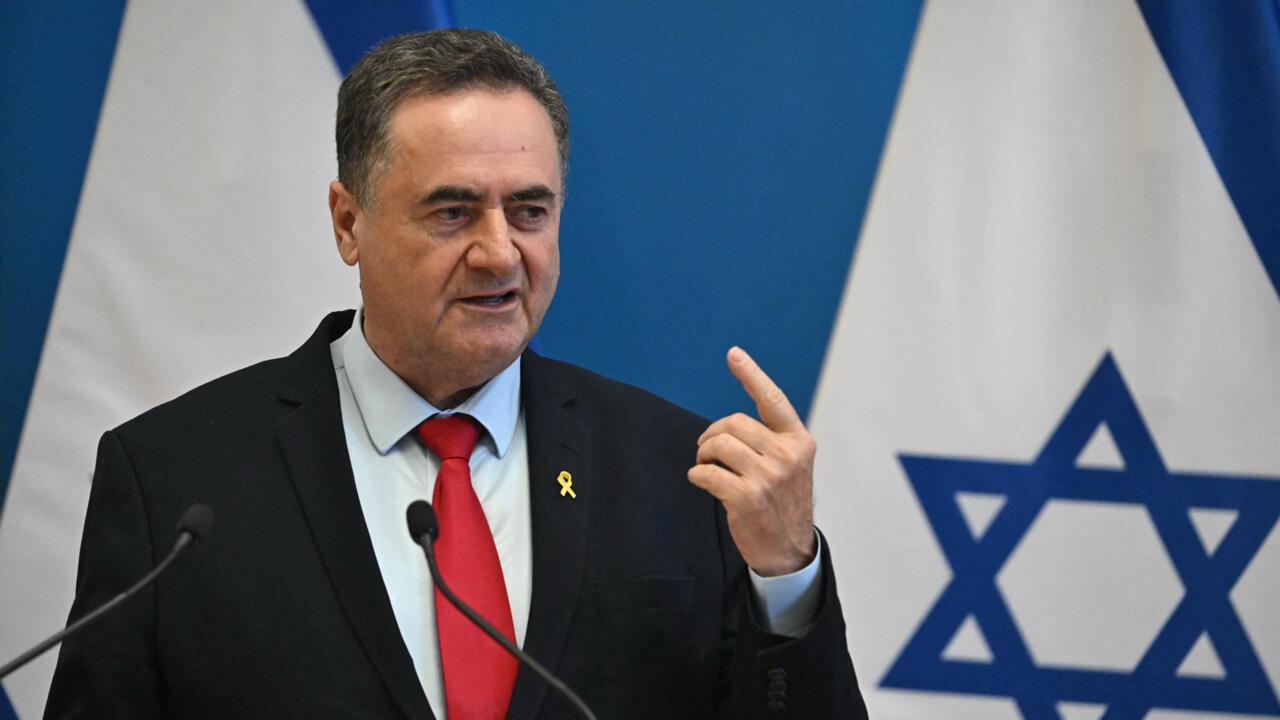
US Oversees Israel’s Phased Withdrawal From Lebanon Pilot Zone Ahead of Rome Talks
15 sources compared
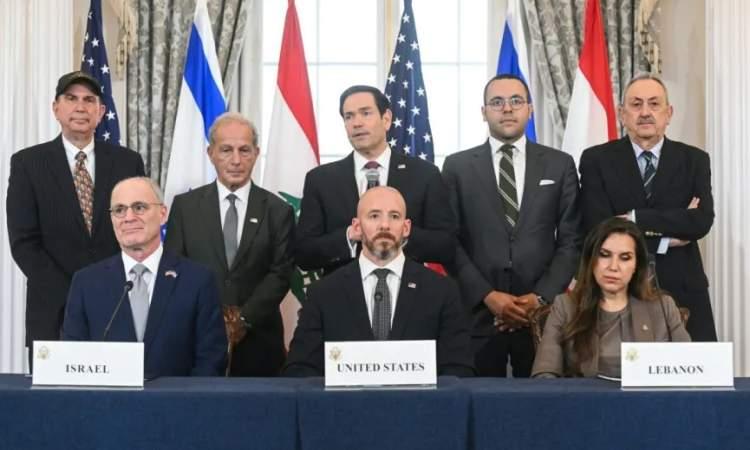
Hezbollah Rejects Israel-Lebanon Framework Agreement After Washington Talks With Marco Rubio
11 sources compared

Sheikh Naim Qassem Says Lebanon Framework Agreement Transfers Sovereignty From Zionist Regime
33 sources compared

Israeli Forces Withdraw From Dibin as Lebanese Army Opens Roads With UNIFIL
18 sources compared