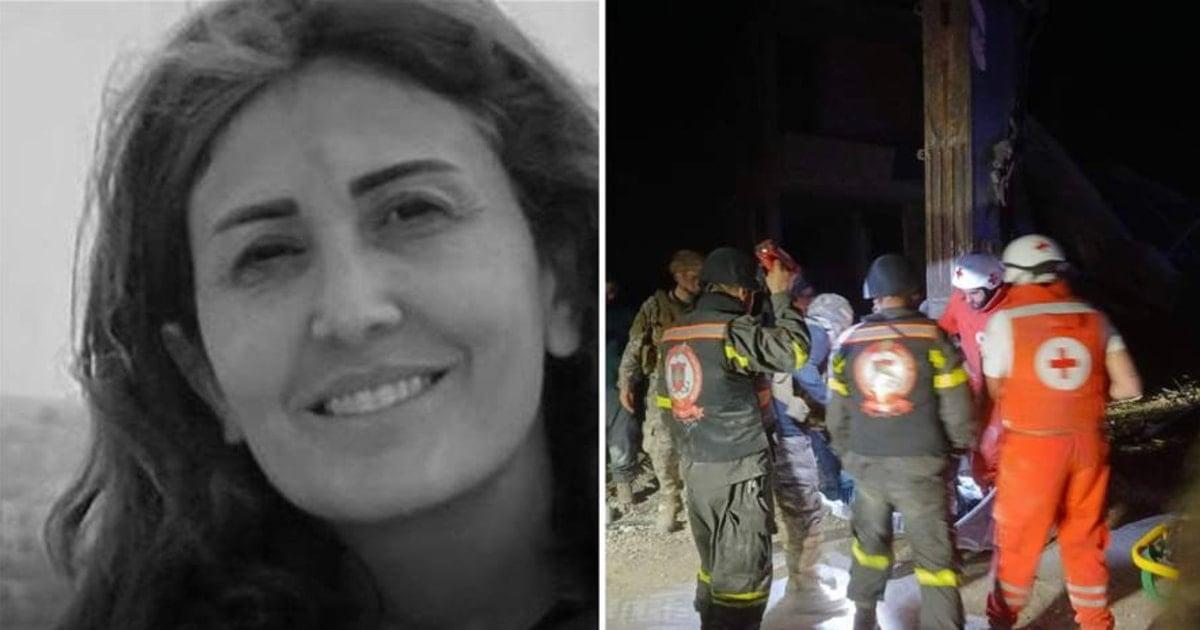
Israeli Attacks Kill Amal Khalil and Four Others in Southern Lebanon, Lebanon Says
Key Takeaways
- Amal Khalil, Lebanese journalist for Al-Akhbar, killed in Israeli airstrike near al-Tiri.
- At least five people killed in southern Lebanon strikes, per Lebanon's NNA.
- Zeinab Faraj wounded; Amal Khalil's body recovered hours after attack.
Car strike, journalist killed
Israeli attacks on Lebanon killed at least five people in southern Lebanon on Wednesday, including journalist Amal Khalil, Lebanon’s National News Agency (NNA) reported, further straining a fragile ceasefire.
“Israeli attacks have killed five people in southern Lebanon, including a journalist, Lebanon’s National News Agency (NNA) reported, further straining a fragile ceasefire”
The NNA said an initial Israeli strike hit a car in at-Tiri, a village in south Lebanon, killing two people inside.

The Israeli military said it struck two vehicles in southern Lebanon that departed from a military structure used by the Lebanese armed group Hezbollah, and later carried out an air strike on a building in the same village that wounded a journalist trapped under rubble.
Al Jazeera reported that Amal Khalil and Zeinab Faraj had gone to the site of an earlier Israeli drone strike on a car in at-Tiri, and that for several hours “the Red Cross and rescue workers [tried] to reach those two journalists” but were unable to do so “due to continued Israeli attacks in the area.”
Lebanon’s Ministry of Health said Israel “pursued” the journalists by “targeting” the building where they took shelter, while NNA reported that an Israeli strike targeted the main road linking the town with Haddatha “to prevent ambulance teams from reaching the two journalists.”
Amal Khalil was later found dead at the scene, her employer confirmed, and CBC reported that her body was later found under the rubble by a senior military official.
The same day, NNA and Lebanon’s Health Ministry said an Israeli airstrike in the southern town of Yohmor killed another two people, and CBC added that in a separate strike earlier on Jabbour in the West Bekaa region, one person was killed and another two injured, while Israel denied it had struck there.
Ceasefire strain and accusations
The Wednesday strikes came as Hezbollah and Israel exchanged attacks that strained a fragile ceasefire, with the conflict reigniting on March 2.
Al Jazeera reported that Hezbollah attacked an Israeli artillery position in southern Lebanon with a drone “in response to what it said was an Israeli violation of the ceasefire,” while the Israeli military said it intercepted “a hostile aircraft” launched by Hezbollah toward Israeli soldiers in southern Lebanon.

CBC likewise said Hezbollah launched an attack drone at Israeli forces in the south, straining the ceasefire, and added that hostilities reignited on March 2 when the Lebanese group opened fire in support of Iran.
The ceasefire in Lebanon emerged separately from Washington’s efforts to resolve its conflict with Tehran, and CBC said Iran had called for Lebanon to be included in any broader truce.
On the eve of scheduled talks in Washington between Lebanese and Israeli ambassadors, Lebanese President Joseph Aoun said Beirut would seek an extension of the 10-day, U.S.-mediated ceasefire, set to expire on Sunday.
CNN described the ceasefire as “aimed at pausing fighting with Iran-backed Hezbollah” and said it had been in place since last Friday, while The Guardian reported that representatives from Israel and Lebanon were set to hold a second round of talks under US auspices on Thursday.
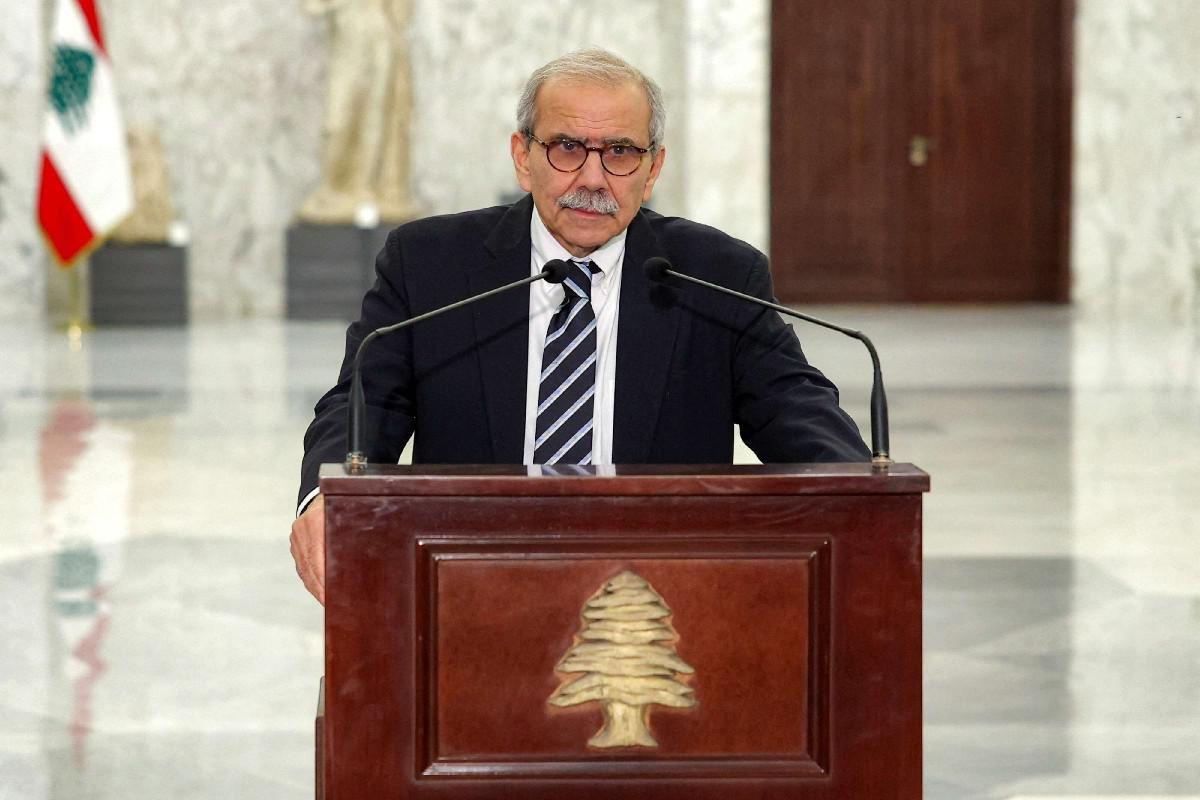
The same day, the dispute over the journalists’ deaths became part of the broader accusations, with Lebanon’s Prime Minister Nawaf Salam saying the targeting of journalists and obstruction of relief efforts constituted war crimes.
CNN quoted Salam’s post on X that “Targeting journalists and obstructing the access of rescue teams to them, and then the renewed targeting of those teams after they’d arrived, constitute described war crimes,” and it also noted that the Israeli military acknowledged two journalists were injured but denied it prevented rescue teams from accessing the area.
In parallel, the Israeli military said it had struck vehicles that left a “military structure” used by Hezbollah and crossed a “forward defence line,” a claim also reflected in BBC’s account of the IDF’s explanation for the strikes.
Salam, Morcos, CPJ, IDF
Lebanon’s political leadership and press advocates condemned the strikes on journalists, while the Israeli military denied targeting media workers and said it acted to mitigate harm.
CNN reported that Lebanon’s prime minister Nawaf Salam accused Israel of war crimes after an airstrike killed Amal Khalil and seriously wounded another journalist, and it quoted Salam posting to X that “Targeting journalists and obstructing the access of rescue teams to them, and then the renewed targeting of those teams after they’d arrived, constitute described war crimes.”
CNN also said Salam argued the attacks were no longer “isolated incidents” but “an established method which we condemn,” and it described the Israeli military response as acknowledging injuries but insisting it “does not target journalists and acts to mitigate harm to them while maintaining the safety and security of its troops.”
The Guardian similarly reported that Salam said the targeting of journalists and the obstruction of relief efforts constituted war crimes and that Lebanon will “spare no effort in pursuing these crimes before the relevant international bodies.”
Lebanon’s Information Minister Paul Morcos condemned the attack on the journalists, and Al Jazeera quoted him saying on X: “We strongly condemn this assault, holding Israel fully responsible for their safety, and affirming the necessity of immediately ensuring their protection and guaranteeing freedom of media work.”
CPJ Regional Director Sara Qudah told CNN that “CPJ holds Israeli forces responsible for the endangerment of Amal Khalil’s life and the injuries Zeinab Faraj sustained after the targeted strike on their location,” and in the BBC account, CPJ said the repeated strikes and obstruction of medical and humanitarian access “constitute a grave breach of international humanitarian law.”
Reporters Without Borders executive director Clayton Weimer said the IDF had received messages from the organization and journalists asking it to allow ambulances to get to Khalil, describing the Red Cross signalled inability to get through as “callous disregard, on top of what appears to be a deliberate and targeted killing of a journalist.”
On the other side, BBC reported that the IDF said it identified two vehicles that had “departed from a military structure used by Hezbollah,” and that one vehicle crossed a “forward defence line” and posed an “immediate threat,” prompting the strike on one vehicle and a nearby building.
Conflicting accounts of rescue
The accounts of what happened to Amal Khalil and Zeinab Faraj diverged in emphasis, particularly around whether rescue teams were blocked and how.
Al Jazeera said “For several hours … the Red Cross and rescue workers [tried] to reach those two journalists. They were unable to do that for a long time due to continued Israeli attacks in the area.”

CBC similarly said rescuers were temporarily blocked from reaching her by ongoing Israeli fire, and it reported that the body of Amal Khalil was later found under the rubble.
The Guardian added more detail about the obstruction, saying that when rescuers returned to help Khalil, “a sound grenade blocked their access to the damaged building,” and that the health ministry said Israel’s military prevented the completion of the humanitarian mission by firing a sound grenade and live ammunition at the ambulance.
CNN described the same sequence through Lebanon’s accusations, saying Lebanese authorities accused Israeli forces of trying to prevent emergency workers from rescuing them, with Red Cross workers taking Faraj to a hospital under “hostile gunfire,” according to NNA.
BBC’s account also included the ambulance claim, quoting the health ministry that “This constitutes a blatant double violation: obstructing the rescue efforts of a citizen known for her civic media activism, and targeting an ambulance clearly marked with the Red Cross emblem,” and it said the IDF denied preventing teams from accessing the area.
In contrast, the Israeli military’s position, as reflected across multiple outlets, was that it did not target journalists and that it acted to mitigate harm while maintaining troop safety, with CNN stating the IDF insisted it had not prevented teams from accessing the area and that details were under review.
BBC reported that the IDF said it “does not target journalists and acts to mitigate harm to them,” and it also said it identified two vehicles departing from a Hezbollah-used military structure and struck one vehicle and a nearby building after the vehicles approached in a threatening manner.
The Guardian further reported that rescuers were able to return to the site about four hours after the initial strike, with Moufarrej telling Reuters, while the BBC account said Faraj was eventually evacuated along with two of the dead.
Macron, Aoun, next talks
Beyond the immediate deaths and accusations, the Wednesday developments carried broader diplomatic and military implications as talks approached and additional casualties were reported.
“At least four people are in a critical condition after two trains collided in Denmark on Thursday”
Al Jazeera said the latest attacks came on the eve of planned talks in Washington between Lebanese and Israeli ambassadors as Lebanese President Joseph Aoun said Beirut would seek an extension of the 10-day, United States-mediated ceasefire, set to expire on Sunday.

CBC reported that U.S. Secretary of State Marco Rubio was set to attend Thursday’s meeting, with Lebanon represented by its ambassador to Washington, Nada Moawad, and Israel represented by its ambassador, Yechiel Leiter, and it said Announcing the ceasefire on Thursday, Trump said he had instructed Rubio, Vice-President JD Vance and Chairman of the Joint Chiefs of Staff Dan Caine to work with the two countries to achieve lasting peace.
CBC also described Lebanon’s position that a ceasefire extension was a prerequisite for talks to move to expanded negotiations, citing a Lebanese official told Reuters.
The Guardian reported that Lebanon will request a one-month extension of the ceasefire during the meeting with Israel, according to a Lebanese official told AFP, and it said the talks were aimed at ending more than six weeks of fighting between Israel and Hezbollah that began on 2 March.
In parallel, President Emmanuel Macron said a second French soldier died after an attack on United Nations peacekeepers in Lebanon last week, blaming Hezbollah, and Al Jazeera identified the soldier as Chief Corporal Anicet Girardin, severely wounded on April 18 and dying after being evacuated to France on Tuesday.
Al Jazeera also said UNIFIL initial assessments indicated the fire came from non-state actors, allegedly Hezbollah, while the Iran-aligned group denied involvement in a statement.
CNN added that Israel’s attacks on Wednesday prompted an outcry from groups including the United Nations and CPJ, and it quoted CPJ’s Sara Qudah saying CPJ held Israeli forces responsible for endangerment of Amal Khalil’s life and injuries to Zeinab Faraj.
With more than 2,400 people killed in Lebanon since Israel launched its offensive, as multiple outlets stated, the stakes for the ceasefire extension and the next round of talks were immediate, and the journalists’ deaths became part of the case Lebanon said it would pursue before international bodies.
More on Lebanon
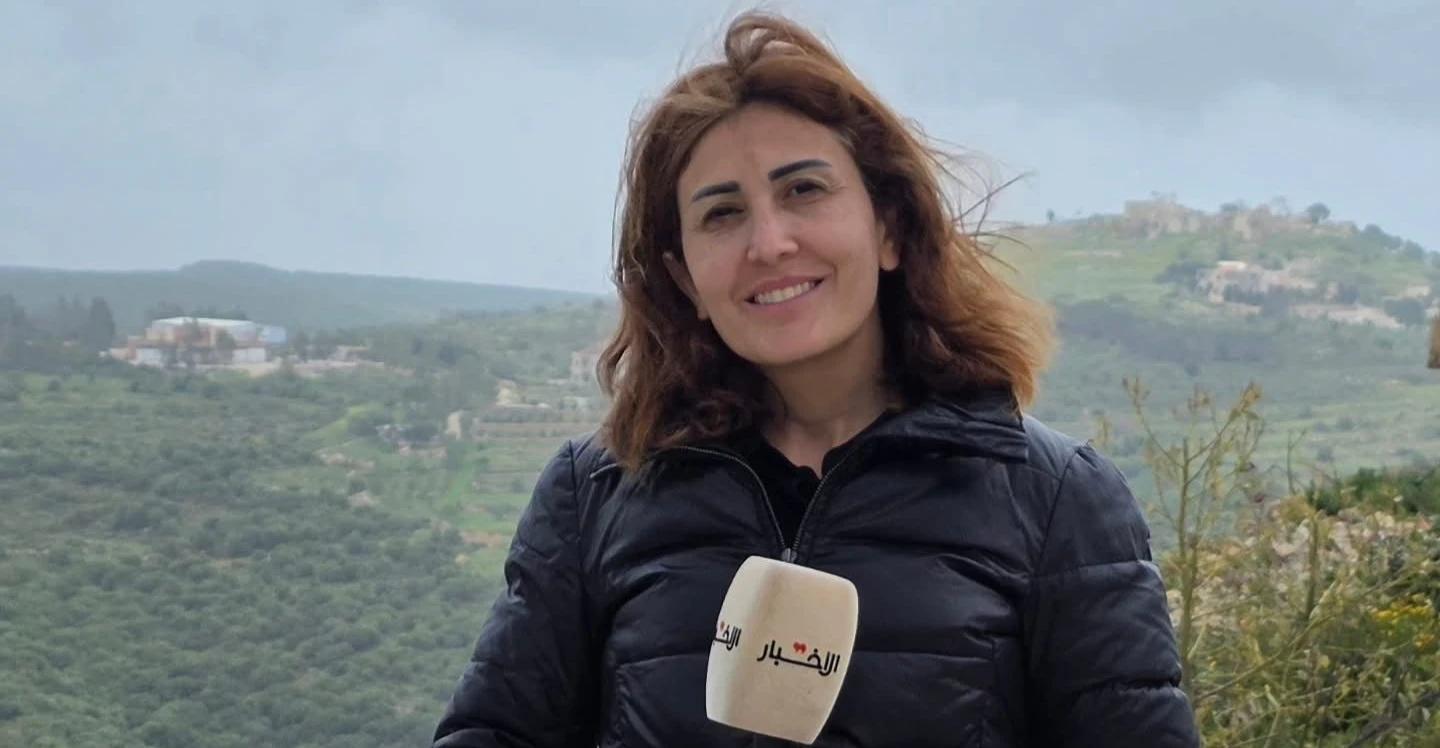
Israeli Strikes Kill At Least Four In At-Tiri, Lebanon, Leaving Journalist Amal Khalil Trapped
17 sources compared
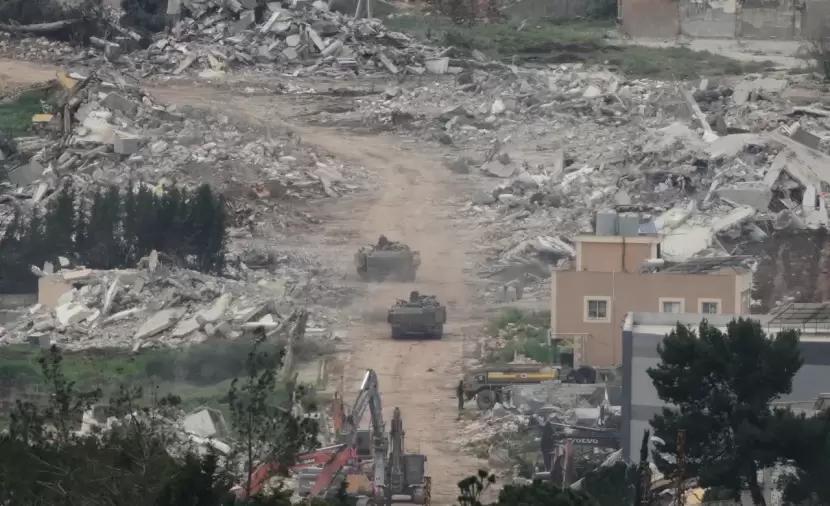
Israeli Forces Launch New Demolition Operations in Shamaa After April 17 Cease-Fire
10 sources compared
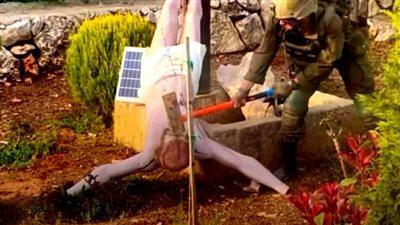
Israel Jails Soldiers After Sledgehammer Vandalism of Jesus Statue in Debl, Lebanon
29 sources compared
Macron Meets Nawaf Salam at Élysée Palace to Push Lebanon Ceasefire and Territorial Integrity
36 sources compared