Lebanon03 May, 20266 min read
Israeli Attacks Kill At Least 28 People In Southern Lebanon Despite U.S.-Mediated Ceasefire
This article is an automated aggregation of coverage from news outlets. Our editorials offer in-depth analysis curated by the NewsCord team.
Israeli strikes continue in southern Lebanon despite a ceasefire. Death toll reports vary widely across outlets, from 16 to 28.

A live campaign is complaining about BBC. Take action →
BBC was read line by line by the Watchdog: 2.3. See the score →
Ceasefire, then strikes
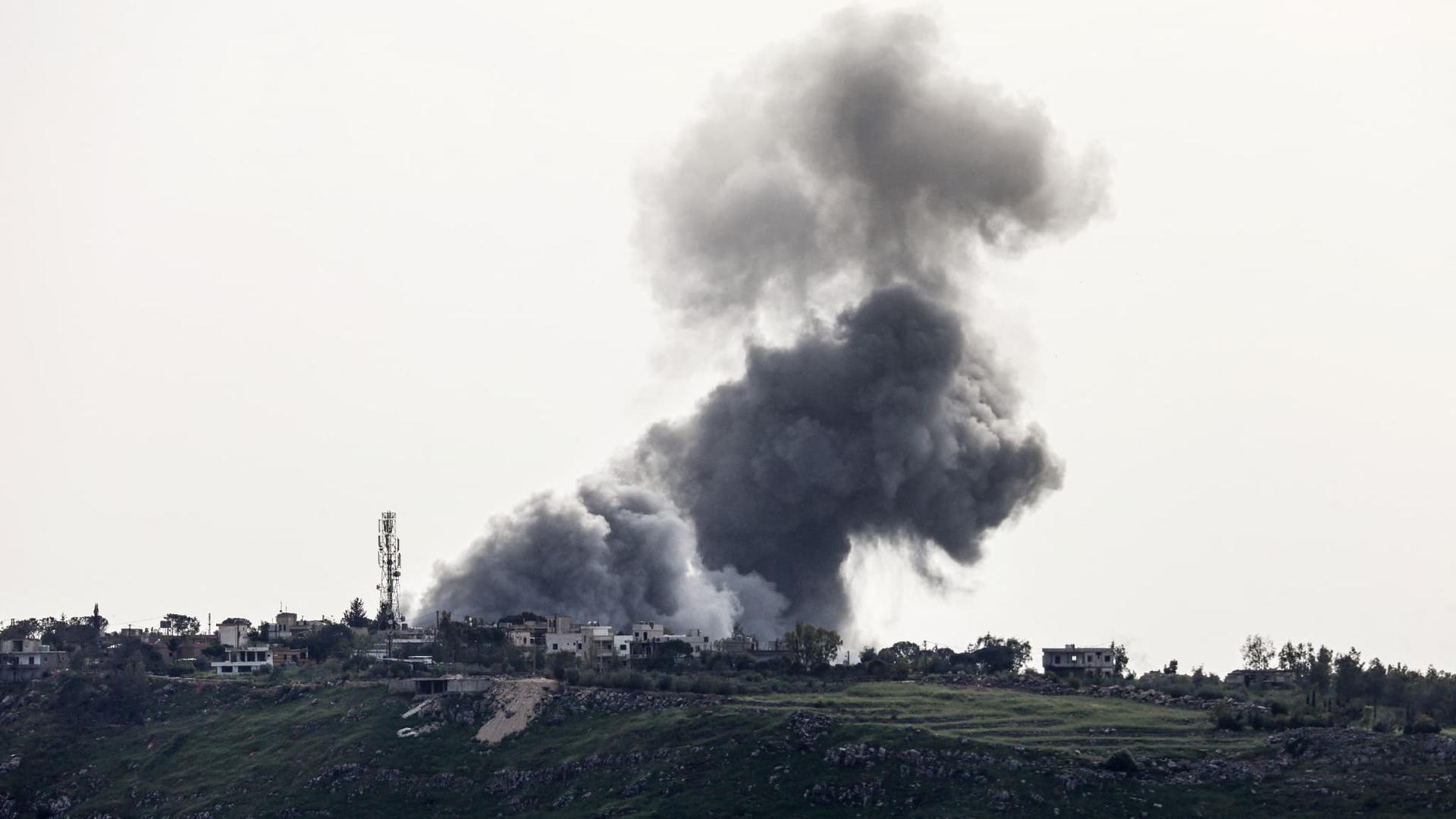
Israeli attacks on southern Lebanon killed at least 28 people despite a temporary United States-mediated “ceasefire,” according to the country’s National News Agency (NNA), as reported by Al Jazeera. In the municipality of Jebchit, Al Jazeera said “four people were killed and nine others wounded” in an attack that destroyed a residential building, while “a separate attacked killed four members of one family, including a child.” In the municipality of Toul, Al Jazeera reported “four people were killed and six wounded,” and it added that “another Israeli attack hit a home in Toul, killing one person and injuring two others.”
“Israeli attacks on southern Lebanon have killed at least 28 people, according to the country’s National News Agency (NNA), despite a temporary United States-mediated ‘ceasefire’.”
Al Jazeera also described killings in Harouf, Qana, and Kfar Rumman, including “a Lebanese soldier and several members of his family” killed in an Israeli air raid targeting their home in the Nabatieh district. The Lebanese Army confirmed the deaths in Al Jazeera’s account, describing the attacks as “the result of a direct strike on a residential property.”
Al Jazeera further reported that in the town of Zebdine, “an Israeli drone attack killed six people near the town’s cemetery,” and in the town of Qlawiyah in the Bint Jbeil district, “one person was killed in Israeli air strikes.” The same Al Jazeera report said Israel’s military intensified attacks in southern Lebanon over recent days, with artillery shelling reported in Zawtar al-Sharqiyah, Yohmor al-Shaqif, and Bayt al-Sayyad, and it stated that “in the past 24 hours, Israeli air attacks have killed more than 20 people.”
Evacuation warnings and numbers
The BBC reported that “Seventeen people, including two children, were killed in Israeli strikes in southern Lebanon on Thursday,” citing the health ministry, and it said the strikes “also wounded 35 people, among them nine children and eight women.” The BBC added that “Separately, Hezbollah said it had carried out attacks on Israeli forces in the south, including a drone strike targeting soldiers in the Bint Jbeil district.” In the BBC’s account, Lebanese President Joseph Aoun criticized “continuing Israeli violations” of the truce, saying strikes and demolitions of homes and places of worship were ongoing “despite the ceasefire.”
The BBC also described Israel issuing “evacuation warnings for 15 villages in southern Lebanon,” noting that “Many of the villages were outside what Israel has designated as the ‘Yellow Line’.” The BBC framed Israel’s justification as a response to what it described as Hezbollah violations, stating that “Israel says its actions are in response to what it describes as violations of the deal by Hezbollah.”

It also reported that the US-mediated ceasefire permits Israel to respond to what it describes as “planned, imminent or ongoing attacks,” while “Hezbollah rejects this part of the agreement.” In parallel, Al Jazeera said Israel issued forced displacement threats for “15 southern Lebanese towns and villages, including Jebchit, Toul, al-Samanieh, Sahel al-Hnieh, Qlailah, Wadi Jilo, al-Kanisa, Kafr Jouz, Majdal Zoun, and Seddiqine.”
Threats to infrastructure
Beyond battlefield strikes, multiple reports described Israeli threats aimed at Lebanon’s infrastructure and emergency services. Al Jazeera quoted Lebanese President Joseph Aoun denouncing “continuing Israeli violations” that were occurring “despite the ceasefire,” while also saying they included “demolitions of homes and places of worship.” CNN Arabic reported that “The Israeli army warned that it may begin targeting ambulance vehicles in Lebanon,” accusing Hezbollah of using emergency vehicles for military purposes.
“We will not make such a distinction in the coming war; we will strike Lebanon and any Lebanese infrastructure that contributes to the fighting.”
CNN Arabic said the Israeli army stated that “if this practice does not stop, Israel will act in accordance with international law against all armed activities carried out by the terrorist Hezbollah using these facilities and ambulance vehicles.” CNN Arabic also said the Lebanese Ministry of Public Health rejected Israel’s claims, describing them as “mere excuses for the crimes it is committing against humanity,” and it accused Israel of “continuously targeting ambulances while conducting relief operations on the front lines.”
In a separate thread, the Arabic-language outlet Al-Araby Al-Jadeed reported that an Israeli threat was conveyed to the Lebanese government “through Western countries and with mediation by the United States,” stressing that “if Hezbollah is not restrained, national infrastructure will be targeted.” The West Asian outlet سبق (Sabq) reported an Israeli senior military official threatened to strike “Lebanon and its infrastructure in any forthcoming conflict with the Hezbollah militia,” adding that “We will not make such a distinction in the coming war; we will strike Lebanon and any Lebanese infrastructure that contributes to the fighting.”
Hospital strikes and casualties
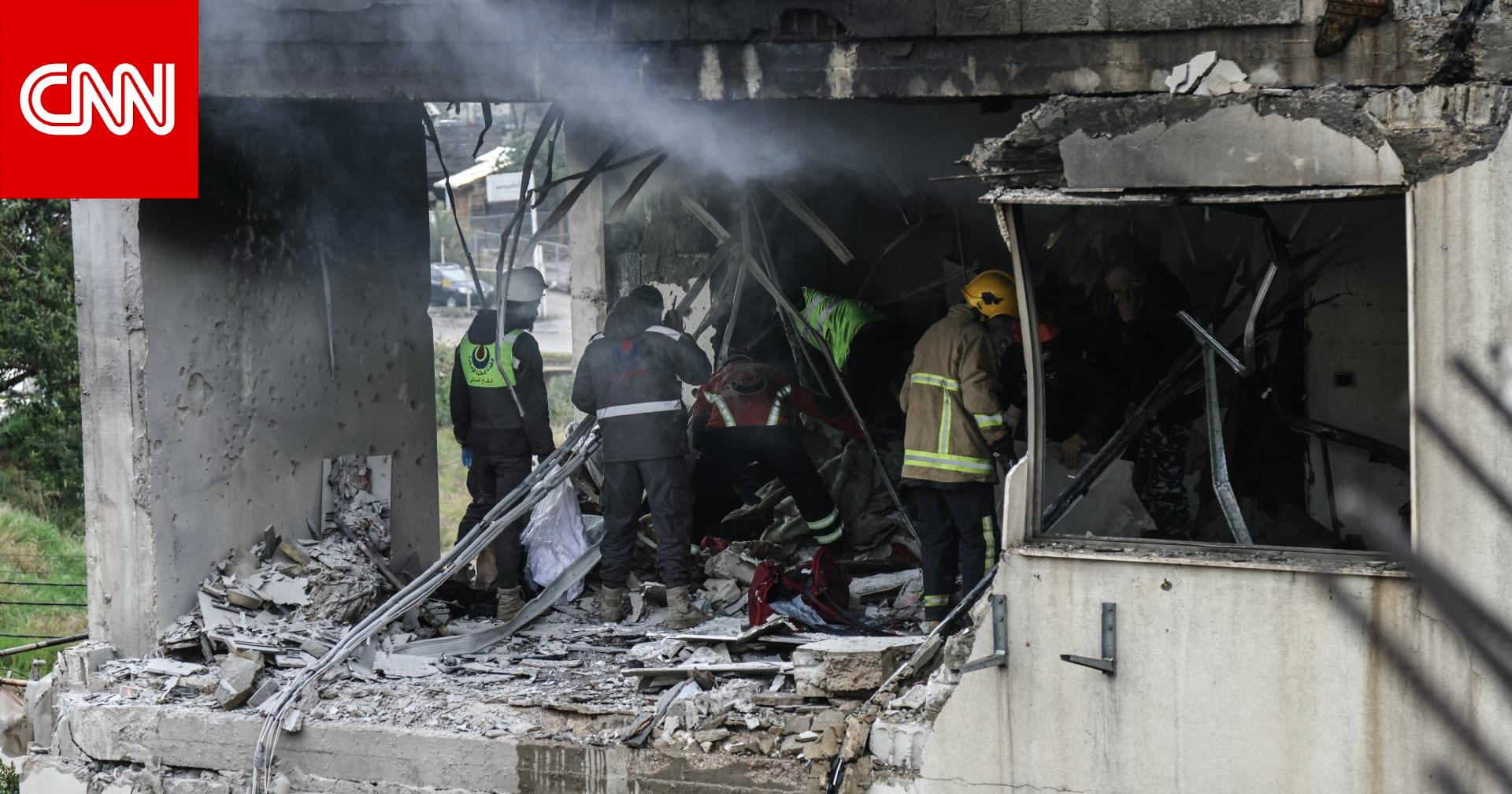
CNN Arabic described Israeli airstrikes that it said targeted Hezbollah leadership, leadership infrastructure, weapon depots, rocket launch sites, and military training facilities, while Lebanon’s health authorities reported deaths among medical staff. CNN Arabic said the Lebanese Public Health Ministry reported that “an Israeli airstrike targeted a health center in the town of Barj Qlawi in southern Lebanon, killing at least 12 medical staff.” It added that “among the dead were doctors, paramedics, and nurses in the attack targeting Barj Qlawi,” and it said “rescue efforts continue to search for the missing.”
CNN Arabic also stated that the strike came after “a previous attack targeted rescuers in the town of al-Sowana, also in southern Lebanon.” The same CNN Arabic report said the Lebanese Public Health Ministry announced that “at least 773 people have been killed in Lebanon since Israel began its strikes on the country, including 103 children.”
Euronews similarly reported that “Tuesday's Israeli strikes killed eight people, including three rescuers, in the south of the country,” and it said the Lebanese Ministry of Health reported that “three rescuers from the Lebanese Civil Defense” were trapped under rubble after a strike that targeted them while carrying out a rescue mission. Euronews added that the ministry later said “two other people had been killed and 13 injured in an Israeli strike on the town of Jebchit,” and it reported “one person was killed and 15 injured, including five children and five women, in another Israeli strike on Jwaya.”
Lebanon’s wider war and talks
Reports also described how the conflict’s wider trajectory and diplomatic efforts intersect with military escalation. Al Jazeera said the attacks came “amid a temporary US-mediated “ceasefire” deal agreed between Israel and Lebanon that took effect on April 17,” and it quoted Lebanese President Joseph Aoun denouncing “continuing Israeli violations” while saying they were occurring “despite the ceasefire, as do demolitions of homes and places of worship, while the number of killed and wounded rises day after day.” Al Jazeera’s Beirut reporting by Malcolm Webb said “Lebanon’s President Aoun has asked the US for a date for negotiations to restart but has also said that Israel must fully implement the ceasefire.”
“Civil Defense reports 254 dead and several hundred wounded, while the Health Ministry, reputed to be slower to tally victims, speaks of 182 dead.”
The BBC reported that the ceasefire was announced on “16 April,” after “direct talks between Lebanese and Israeli ambassadors in Washington,” and it said President Aoun backed direct, face-to-face talks while Parliament Speaker Nabih Berri opposed direct talks and warned they carried risks. The BBC also stated that “The fragile truce has also exposed political divisions in Beirut over what comes next,” linking the diplomatic dispute to the ongoing fighting.
In parallel, i24NEWS reported that “Washington would not guarantee the halt of Israeli strikes in Lebanon in the event of an agreement,” citing Al-Akhbar close to Hezbollah and Egyptian sources, and it said Washington would consider that “Israel retains the right to defend itself against threats coming from Lebanon.” Le Monde.fr described a different phase of bombardment in central Beirut and the south, saying “Civil Defense reports 254 dead” while the Health Ministry “speaks of 182 dead,” and it quoted Rizk Hospital’s chief physician Karl Jallad saying, “Such carnage is beyond comprehension.”