Full story
Beaufort blasts despite ceasefire
Israeli forces carried out powerful detonations near Lebanon’s UNESCO-listed Beaufort Castle while continuing to occupy southern Lebanon despite a United States-brokered “ceasefire” agreement.
“Israeli forces triggered very powerful explosions around midnight”
Al Jazeera reported that Israeli Prime Minister Benjamin Netanyahu and Defence Minister Israel Katz said in a statement on Friday that the army blew up a tunnel system in the Beaufort area that they claimed formed a key part of Hezbollah’s plan to infiltrate communities in the Galilee.
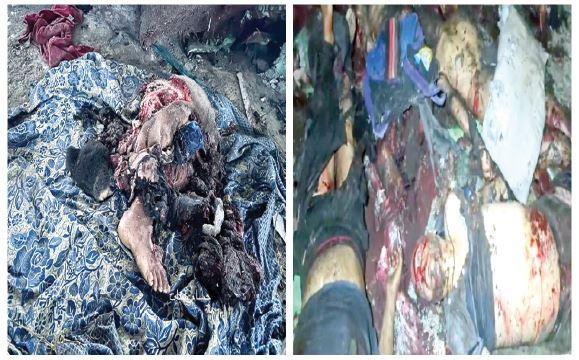
The explosions were described as “very powerful explosions around midnight,” and Lebanon’s official National News Agency (NNA) said the blasts shattered windows in several homes in the town of Qlayaa.
The same Al Jazeera report said the Crusader-era castle was added last week to UNESCO’s List of World Heritage in Danger, and it also cited NNA reporting demolitions of caves and houses near al-Mansouri and Majdal Zoun in the Tyre district.
Al Jazeera added that Israeli forces carried out very large explosions at midnight in the areas of Yohmor al-Shaqif, Arnoun and Kfar Tebnit, with the sound reportedly heard across the southern regions.
Netanyahu, Katz justify blasts
In an Israeli framing of the operation, Netanyahu and Israel Katz said the IDF detonated parts of the underground tunnel system beneath the Beaufort Ridge in southern Lebanon late Thursday in response to a drone strike on Israeli troops by Hezbollah that violated the ceasefire.
All Israel News quoted their joint statement saying: “The powerful operation was carried out at this time following yesterday's blatant violation of the ceasefire agreement by the Hezbollah terror organization,” and it described the detonation as targeting Hezbollah infrastructure.

All Israel News also said the Israel Defense Forces detonated the tunnels after authorities warned residents of several northern Israeli towns to open their windows to prevent them from being shattered by the shock wave.
Lebanese state media, as relayed by Al Jazeera, reported that the violent explosions shattered windows in Qlayaa and that shockwaves were felt by residents throughout the area.
Al Jazeera further reported that Lebanese President Joseph Aoun visited Turkish President Recep Tayyip Erdogan in Ankara, where Aoun said Lebanon was determined to achieve “an Israeli withdrawal from all Lebanese territory” and the return of displaced people to their villages.
Framework deal and casualties at stake
Lebanon’s official National News Agency and other outlets described the blasts as threatening the implementation of the recently concluded bilateral framework agreement, with Noovo Info saying the explosions “threaten the implementation of the recently concluded bilateral framework agreement.”
“threaten the implementation of the recently concluded bilateral framework agreement”
Noovo Info quoted Lebanese President Joseph Aoun denouncing “an extremely dangerous escalation (...) and a direct threat” to the implementation of the framework agreement concluded in June between Lebanon and Israel under American auspices.
The same Noovo Info report said the agreement provides for the deployment of the Lebanese army in “pilot zones” evacuated by Israel, subject to the disarmament of the pro-Iranian Hezbollah.
Al Jazeera reported that since March 2, Israeli attacks on Lebanon have killed 4,333 people and injured 12,236 others, according to Lebanon’s Health Ministry.
Al Jazeera also reported that Israeli forces advanced more than 10km (6.2 miles) into Lebanese territory in their latest operations in the south of the country, underscoring the continuing pressure around the Beaufort area.