Spain Says Most Migrants Returned to Morocco After Ceuta Influx Killed 57
Image: Monte Carlo Al-Dawliyya

Spain Says Most Migrants Returned to Morocco After Ceuta Influx Killed 57

30 July, 2026.Europe.22 sources

The story in 15 seconds

  • Around 50,000 to 60,000 migrants crossed into Ceuta from Morocco in 24 hours.
  • Most migrants returned to Morocco by Friday, with about 48,000–50,000 back.
  • At least 57 people died during the Ceuta crossing.

The divide · 1 of 3

DW and France 24 foreground Spain’s court-smuggler explanation; AP and Guardian add EU/other context.

Who skipped what

How each outlet frames it

Every outlet we compared, the headline it ran, and a link to the original article.

Source Diversity
22 sources
Western Mainstream
13
Other
4
West Asian
4
Asian
1

Western Mainstream

ABC
ABC

Europe reacts to the mass arrival of migrants in Ceuta: 'Spain has failed'

31 July, 2026

Read the original →
AP News
AP News

Tens of thousands of migrants voluntarily leave after crossing into Spanish territory of Ceuta

31 July, 2026

Read the original →
BBC
BBC

Spain's PM blames traffickers after 60,000 migrants reach Ceuta from Morocco

31 July, 2026

Read the original →
CNN en Español
CNN en Español

Spain says that the majority of the 50,000 migrants who crossed into its territory from Morocco have returned.

31 July, 2026

Read the original →
DW
DW

Ceuta: Spain says most migrants have returned to Morocco

31 July, 2026

Read the original →
El Mundo
El Mundo

"It's over": Dozens of migrants begin returning to Morocco via the beach after thousands entered over a 24-hour period.

31 July, 2026

Read the original →
EL PAÍS
EL PAÍS

Morocco orders halt to the exodus of 50,000 migrants to Ceuta.

31 July, 2026

Read the original →
elDiario.es
elDiario.es

Latest on Ceuta migrant arrivals: the Government says that 48,300 of the more than 50,000 people who have entered have already returned to Morocco and the death toll has risen to 57.

31 July, 2026

Read the original →
France 24
France 24

Spain's PM blames trafficking mafia for ongoing Ceuta migrant crisis

31 July, 2026

Read the original →
Los Angeles Times
Los Angeles Times

60,000 migrants cross into Spanish territory of Ceuta, 57 killed

31 July, 2026

Read the original →
RTVE.es
RTVE.es

More than 48,000 people return to Morocco after Spain's largest migratory crisis.

31 July, 2026

Read the original →
The Guardian
The Guardian

At least 57 people die as tens of thousands cross to Spanish enclave of Ceuta from Morocco

31 July, 2026

Read the original →
The National Desk
The National Desk

Ceuta migrant surge reopens Europe's immigration divide

31 July, 2026

Read the original →

Other

Antena 3 Noticias
Antena 3 Noticias

Miles de migrantes regresan a Marruecos tras 24 horas de crisis en Ceuta que dejan al menos 57 muertos

31 July, 2026

Read the original →
Fort Bragg Advocate-News

Spain’s PM blames trafficking gangs as 60,000 cross into Ceuta from Morocco, with 34 deaths

31 July, 2026

Read the original →
FOX40
FOX40

Spain’s PM blames trafficking gangs as 60,000 cross into Ceuta from Morocco, with 41 deaths

31 July, 2026

Read the original →
La Voz de Galicia
La Voz de Galicia

El Gobierno eleva a 48.300 los migrantes que han vuelto a Marruecos tras entrar de forma ilegal en Ceuta

31 July, 2026

Read the original →

Asian

Firstpost
Firstpost

Spain's PM blames trafficking gangs as 60,000 migrants enter Ceuta from Morocco, 41 dead

31 July, 2026

Read the original →

West Asian

Al-Jazeera Net
Al-Jazeera Net

60,000 crossed, and most of them have returned… details of the large influx from Morocco to Ceuta.

30 July, 2026

Read the original →
Al-Sharq al-Awsat
Al-Sharq al-Awsat

Spanish police: Thousands of migrants crossed the border between Morocco and Ceuta overnight.

31 July, 2026

Read the original →
Sky News Arabia
Sky News Arabia

Morocco and Spain reach agreement to repatriate all arrivals to Ceuta.

30 July, 2026

Read the original →
Monte Carlo Al-Dawliyya

Mass incursion amid a security alert: thousands of migrants are crossing on foot into the Ceuta enclave.

30 July, 2026

Read the original →

Full story

Ceuta surge and deaths

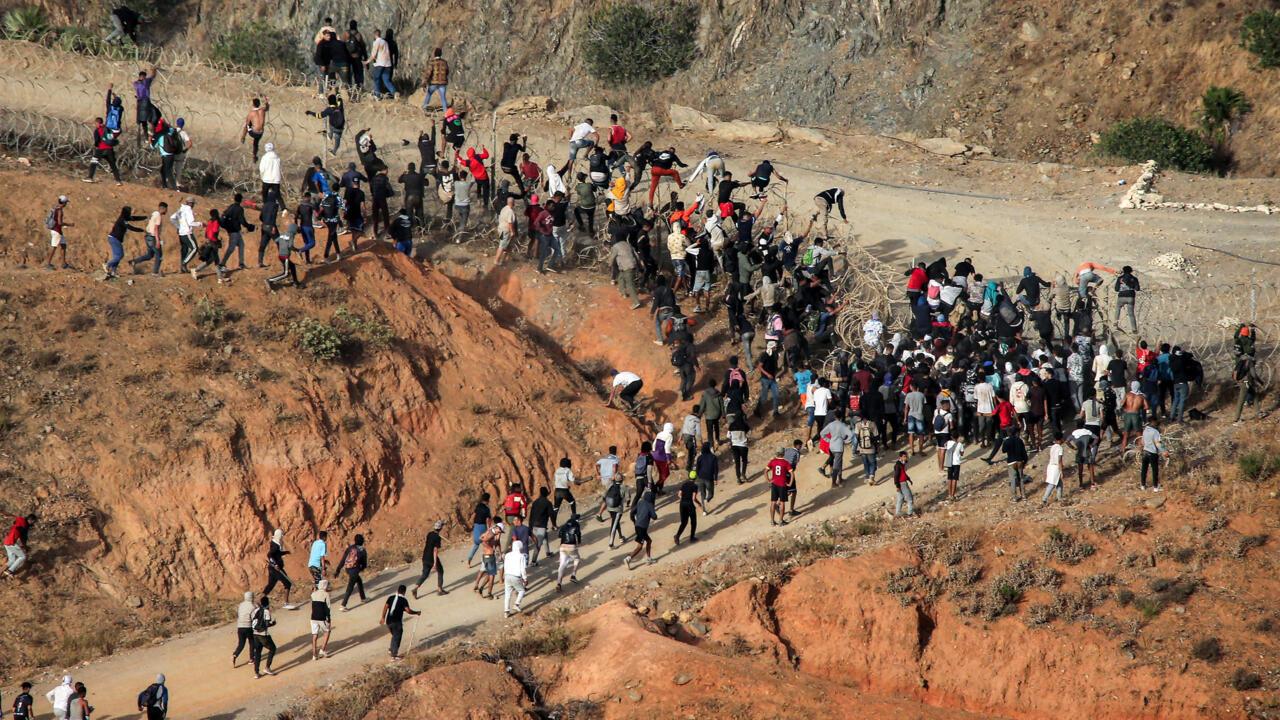
Tens of thousands of migrants crossed into Spain’s tiny Ceuta territory from Morocco, overwhelming the city and triggering chaos that left at least 57 migrants dead on the journey, according to the Associated Press and the Guardian.

At least 57 migrants died on the journey.

AP NewsAP News

Ceuta’s president Juan Jesús Vivas put the number of migrants at 60,000, and the Spanish government said most of them soon returned voluntarily to Morocco after the influx sparked a humanitarian crisis.
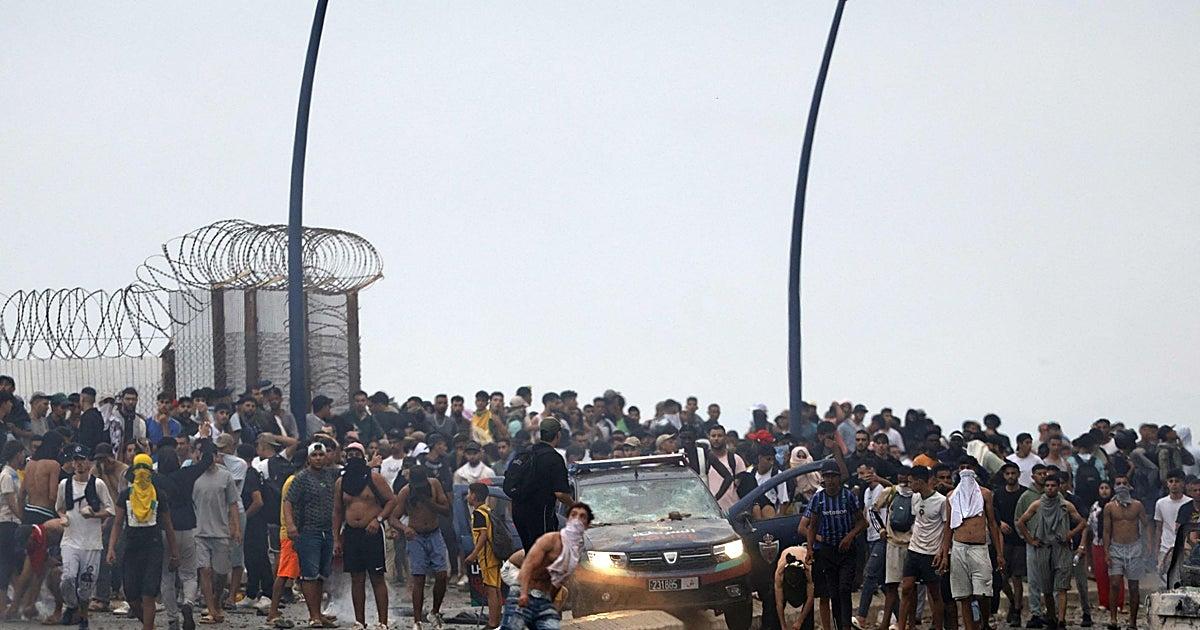
Image from ABC
ABCABC

Spain deployed its armed forces and additional police to restore order in Ceuta, which sits on the Strait of Gibraltar and has been a Spanish possession since 1580, while security forces clashed with migrants on the Moroccan side of the border.

The Associated Press reported that some of the 57 deaths included people drowned or killed in a stampede to cross a breakwater barrier near a border checkpoint, and the Guardian said many drowned while some were killed in a crush to cross the breakwater fence at Tarajal beach.

The Guardian tied the mass crossing to a recent Spanish supreme court decision, quoting Pedro Sánchez saying it “has produced an avalanche of the characteristics and dimension that we experienced yesterday.”

Sánchez, Vivas, and Europe

Ceuta President Juan Jesús Vivas told journalists, “The situation that Ceuta is going through is absolutely unsustainable,” as Spain’s prime minister Pedro Sánchez visited the city and condemned the border breach as “a violation of Spain’s territorial integrity.”

Sánchez blamed human smugglers, saying they “deceive so many young people and ultimately lead many of them to their deaths,” whether in the ocean or in the city, while the Guardian reported he attributed the mass crossing to “human trafficking mafias.”

Image from Antena 3 Noticias
Antena 3 NoticiasAntena 3 Noticias

The Associated Press said the Spanish Interior Ministry estimated that some 50,000 people had crossed from Morocco since Thursday and that 48,300 had already returned to Morocco by Friday evening, with hundreds more going back by the hour.

European Commission President Ursula von der Leyen said the images from Ceuta were “unacceptable,” and she added, “Dangerous crossings must stop immediately.”

The Guardian reported that EU member states were set to meet under the Integrated Political Crisis Response mechanism, and it said a further meeting of EU ambassadors was called in Brussels on Monday.

Schengen fallout and next steps

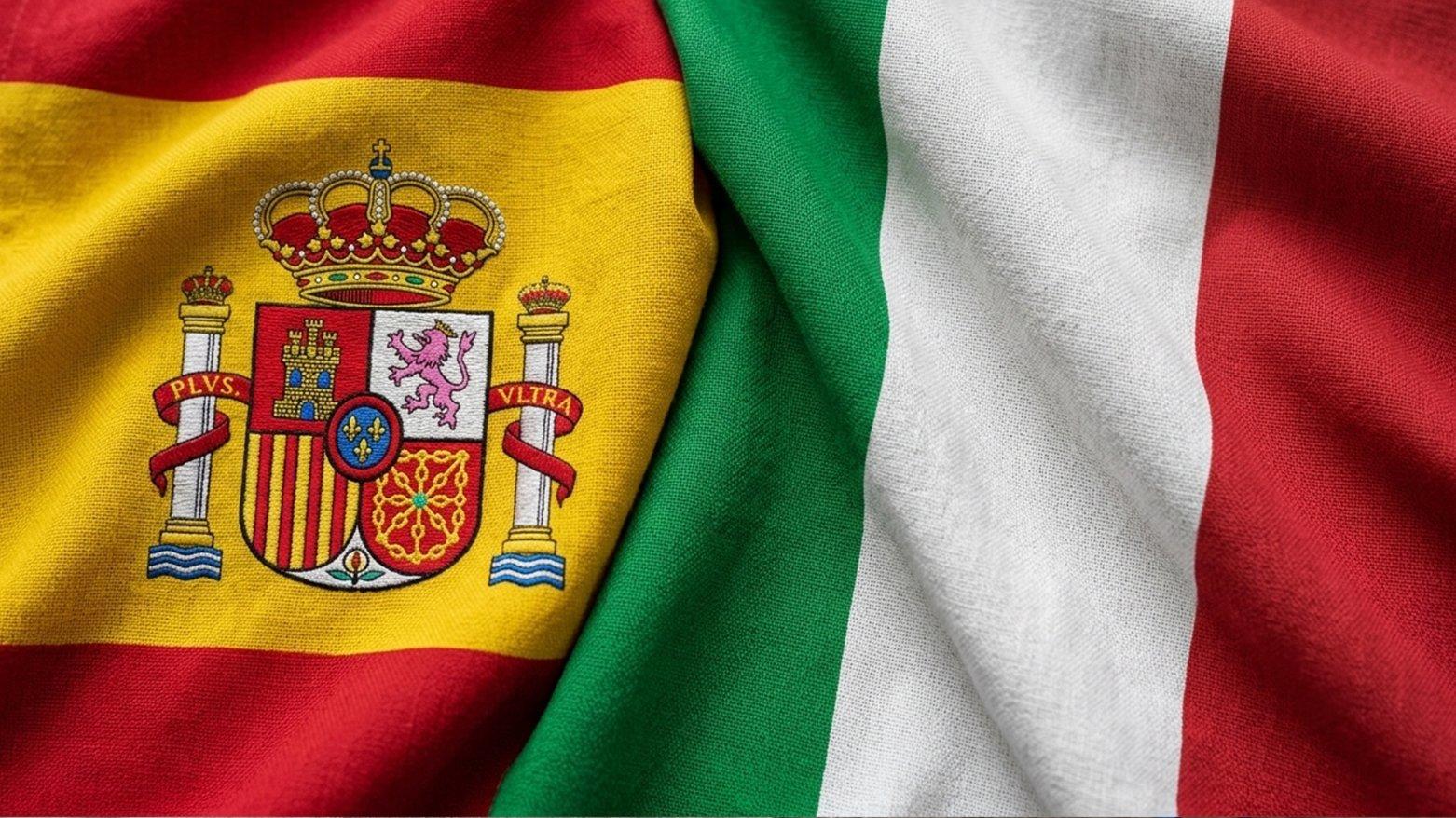
Italy temporarily suspended the Schengen free-travel pact with Spain for one month after the influx into Ceuta, with Italy’s Foreign Minister Antonio Tajani writing on X that it was “a necessary decision to protect the security of our citizens and defend Europe's borders.”

Practically the entirety of those who entered Ceuta have already returned to Morocco

DWDW

DW reported that Spain’s Foreign Minister Jose Manuel Albares said the integrity of the Schengen free-travel area was “guaranteed,” adding that “Practically the entirety of those who entered Ceuta have already returned to Morocco.”

The Guardian said Spain’s interior ministry reported that more than 48,300 people had voluntarily returned to Morocco by 6pm on Friday, and it described Sánchez’s plan for a temporary reception centre to facilitate documentation, registration, triage and “expedited” expulsion.

The Guardian also reported that Sánchez said the government would erect a visible barrier—“a line of buoys”—near the breakwater at Ceuta’s Tarajal beach to make it clear where the border was and to legally comply with the court’s ruling.

In parallel, the Associated Press said the chaos had ripple effects abroad, with Italy and France pledging to tighten their controls on people arriving from Spain, while migrants from Morocco also attempted to cross into Melilla and clashed with police.

The deep audit

How victims, perpetrators and terms are handled across outlets.

More on Europe