Full story
Ceuta surge from Morocco
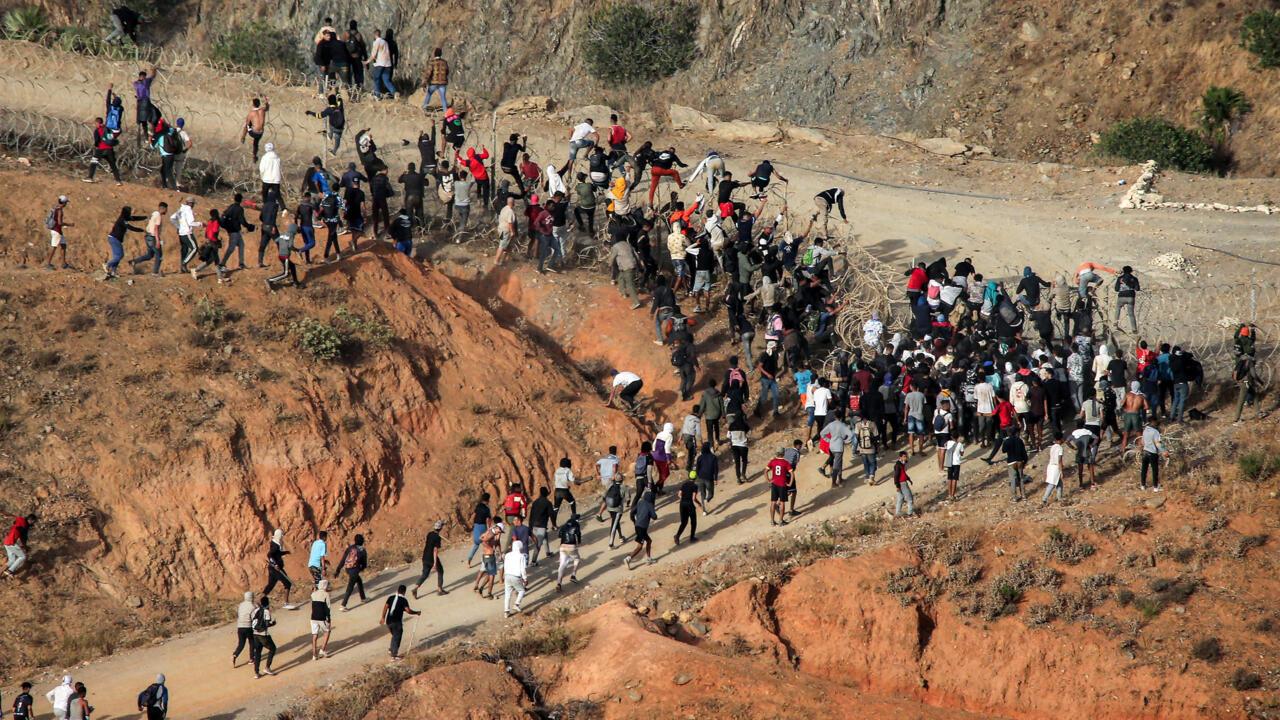
About 60,000 migrants crossed into the Spanish North African enclave of Ceuta from Morocco, and Spain’s prime minister Pedro Sánchez called the incident a "violation of Spain's territorial integrity".
“Pedro Sánchez called the incident a "violation of Spain's territorial integrity"”
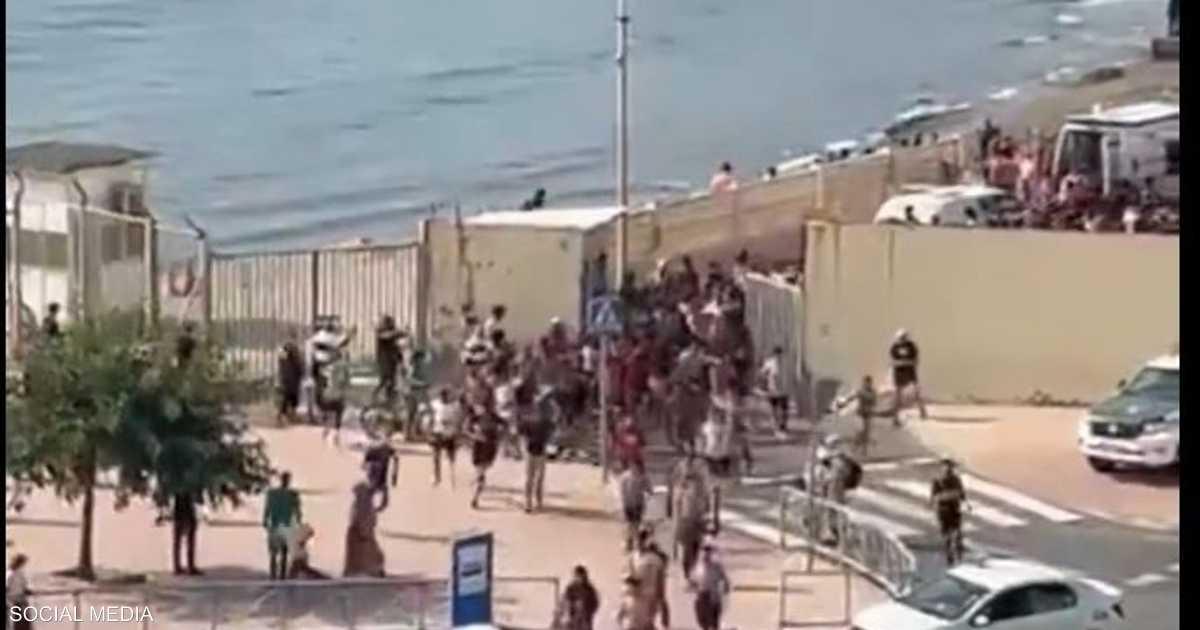
The BBC reported that the surge left at least 57 people dead, and it described Ceuta as "packed with immigrants, in every square and street, mainly looking for food".

Spain’s Interior Ministry told the BBC that its estimates were slightly lower, citing 50,000 arrivals since the early hours of Thursday, while Ceuta’s President Juan Jesús Vivas said the arrivals amounted to around 70% of the city’s population.
Italy responded by suspending the EU’s border-free Schengen arrangements with Spain, and the BBC said Spain’s Supreme Court ruling meant migrants stopped at sea while trying to reach Ceuta or Melilla cannot be summarily returned to Morocco.
Sánchez said the surge was caused by criminal networks purposefully misinterpreting the Supreme Court ruling, telling reporters that trafficking mafias took a "self-serving interpretation" that "spread like wildfire".
Outrage, Schengen, and returns
Ursula von der Leyen described the situation as "unacceptable" and said, "We cannot allow anyone to come to our Union without abiding by our rules," as Italy moved to suspend Schengen with Spain.
Italy’s Foreign Minister Antonio Tajani wrote on X that "The temporary suspension of Schengen with Spain is a necessary decision to protect the security of our citizens and defend Europe's borders," as the crisis played out at the border.

Ceuta’s president Juan Jesús Vivas said the situation was "absolutely unsustainable," and the National Desk reported that at least 34 migrants died in the process.
Spanish officials said more than 48,000 people had voluntarily returned to Morocco by Friday evening, while CNN reported that Spanish authorities said most returned by Friday evening.
DW reported that Spain’s Foreign Minister Jose Manuel Albares said the integrity of the Schengen free-travel area was "guaranteed" and added that "Practically the entirety of those who entered Ceuta have already returned to Morocco".
Diplomatic fallout across Europe
The crisis triggered a diplomatic dispute as Spain summoned Italy’s ambassador after Italian Foreign Minister Antonio Tajani called for Spain to be suspended from the Schengen free-movement zone.
“Spain accuses Italy of 'partisan demagoguery' after Italian Foreign Minister calls for Madrid to be suspended”
Anadolu Ajansı reported that Spain’s Foreign Minister Jose Manuel Albares condemned Tajani’s remarks as "partisan demagoguery" and said, "I have summoned the Italian Ambassador tomorrow," on X.
POLITICO said Italy’s move reflected concerns across Europe’s 29-country Schengen passport-free travel zone that Madrid was not doing enough to control the surge of migrants.
POLITICO also quoted Giorgia Meloni writing on X that "The images coming from Ceuta are shocking and demonstrate, once again, that uncontrolled illegal immigration poses a real threat to the security of Europe’s borders," as other leaders demanded changes.
CNN said Spain’s authorities would try to expel those who entered illegally as quickly as possible despite the Supreme Court ruling that migrants arriving by sea cannot be returned to Morocco, while Reuters saw hundreds returning through border posts and holes in the fence.